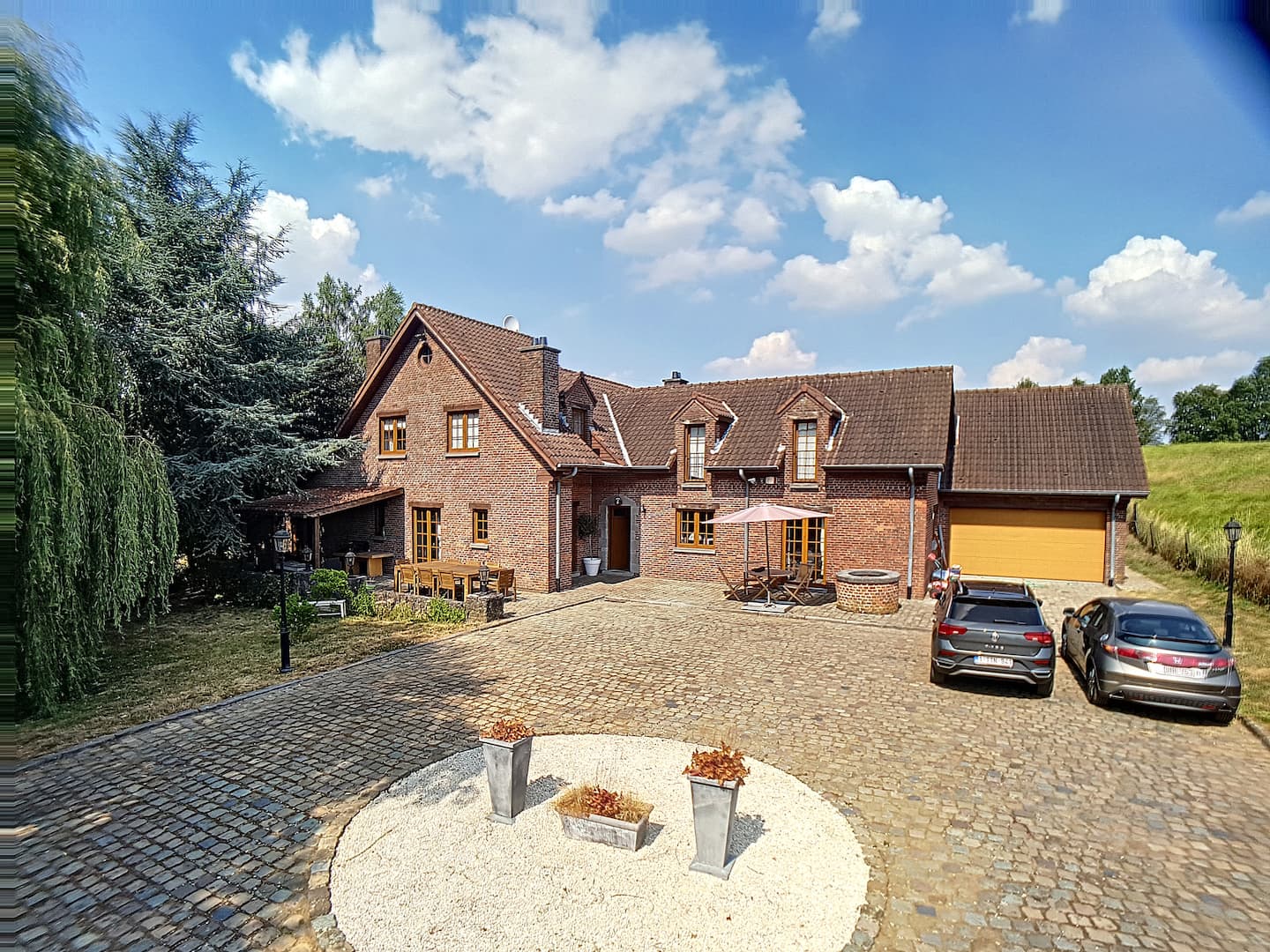
When a project starts in Belgium, housing is often the first operational problem that slows everything else down. Teams arrive before the logistics are fully settled, hotel costs climb within days, and scattered bookings create extra work for HR, procurement, and site management. That is why hébergement travailleurs Belgique matters for companies that need a practical, ready-to-use housing solution for employees, technicians, and project teams.
For business stays of several weeks or several months, worker accommodation is not just about finding a bed. It is about securing a place that is available quickly, suitable for group occupancy, easy to manage administratively, and comfortable enough to support reliable work. The right setup reduces downtime, improves cost control, and removes a large part of the coordination burden from internal teams.
What companies really need from hébergement travailleurs Belgique
The usual mistake is to treat workforce housing like short leisure travel. That works for one or two nights. It rarely works for a team deployed on a site, a maintenance contract, a relocation phase, or a temporary assignment that may last one month or longer.
Companies generally need accommodation that is furnished, functional, and immediately livable. Employees should be able to arrive with personal belongings and start their assignment without waiting for utilities, internet, furniture, or kitchen equipment. If a housing provider can deliver all of that in one package, the company saves time at every step.
Group capacity also matters. Booking six to sixteen workers across multiple hotel rooms may seem easy at first, but it creates fragmented logistics, inconsistent standards, and repeated invoicing issues. A house or apartment designed for team occupancy is often simpler to manage and more practical for the people staying there.
Just as important is flexibility. Many corporate stays do not fit neatly into fixed dates. Projects get extended, staffing levels change, and move-in timing can shift quickly. A provider that understands medium-term business rentals is better aligned with real operational needs than a conventional hospitality model.
Why hotels are often the wrong fit
Hotels remain useful for very short stays, executive travel, or last-minute overnight needs. But for worker housing in Belgium, they are often expensive, restrictive, and inefficient beyond the first few days.
The cost issue is the most obvious. A daily room rate may look manageable for one person, yet the total rises fast when housing a full team for a month or more. Add meals, laundry, parking, and the lack of shared living space, and the budget can become difficult to justify.
There is also the comfort factor. Workers on active assignments usually need more than a room and a bathroom. They need a kitchen, laundry access, reliable Wi-Fi, and a place to rest after work without feeling confined. Shared furnished accommodation typically offers a better living rhythm, especially for longer deployments.
From an administration standpoint, hotels can create unnecessary complexity. Multiple reservations, repeated extensions, individual charges, and changing room availability add friction. Corporate housing with one contract and one invoice is easier to process and easier to track.
The features that make accommodation operationally useful
Not every furnished rental is suitable for professional teams. Companies should assess whether the accommodation is structured around business use or simply available by chance.
The first point is occupancy capacity. Housing for workers should be designed to accommodate teams, not just couples or tourists. Capacity matters not only for budget reasons, but also for operational coordination. Keeping workers together often helps with transport planning, communication, and daily organization.
The second point is what is actually included. A true ready-to-live-in solution should cover furniture, equipped kitchens, internet, utilities, and the basics needed for immediate occupancy. If these elements must be arranged separately, the company is still carrying a large part of the setup work.
The third point is contract structure. Business clients usually need clear rental periods, fast confirmation, and invoicing that fits corporate accounting processes. If the provider cannot support company billing or medium-term occupancy, the offer may not match the intended use.
Location should also be assessed in practical terms. Proximity to project sites, industrial zones, transport routes, and regional access points is more useful than a prestigious address. For workforce housing, convenience usually matters more than city-center positioning.
Hébergement travailleurs Belgique and cost control
For most companies, accommodation decisions are tied directly to project margins. Even when housing is essential, the cost still has to remain predictable. This is one of the strongest reasons furnished group rentals are often preferred over hotels or improvised short-term arrangements.
An all-inclusive model helps budgeting because the major living costs are bundled into one monthly amount. That reduces the risk of hidden extras and makes internal approval easier. Procurement and finance teams can compare options more clearly when they are not estimating a long list of variable charges.
There is also value in reducing indirect costs. Time spent coordinating separate bookings, answering worker complaints about inadequate facilities, or correcting invoice issues is still a business cost. Housing that works from day one prevents those inefficiencies from spreading across the project.
That said, the cheapest option is not always the best one. If lower-cost accommodation is poorly located, undersized, or not properly equipped, the savings can disappear through transport issues, lower comfort, and higher turnover between properties. Good corporate housing should balance price with operational reliability.
What HR and operations teams should verify before booking
The right questions at the start usually prevent the biggest problems later. Before confirming worker accommodation in Belgium, companies should verify the expected number of occupants, the likely rental duration, and whether the team may expand during the assignment.
They should also confirm what is included in the monthly rate. Furnished means different things in different offers. For corporate stays, the practical expectation is a complete setup that supports daily living without additional installations or service contracts.
Response speed is another factor that is often underestimated. When a company needs to place workers quickly, delays in communication can affect deployment schedules. A housing partner should be able to confirm availability, explain conditions clearly, and move the process forward without unnecessary back-and-forth.
Support matters too, especially for companies operating across borders. Multilingual contact can simplify coordination between headquarters, local managers, and workers arriving from abroad. That is not a marketing extra. In many cases, it speeds up decisions and reduces misunderstandings.
Why medium-term furnished housing is the practical middle ground
There is a clear gap between hotel stays and traditional long leases. Companies needing accommodation for one to twelve months are often caught between two systems that were not built for them. Hotels are too expensive and limited for team living, while conventional rentals are too slow, too rigid, and too dependent on setup work.
Medium-term furnished housing fills that gap. It gives companies the readiness of hospitality with the practicality of residential living. Teams can move in quickly, live comfortably, and stay for the actual duration of the assignment without creating an administrative project around the accommodation itself.
This model is especially useful for industrial work, construction projects, shutdowns, maintenance operations, seasonal deployments, relocations, and cross-border staffing. In all of these cases, speed and flexibility matter as much as the accommodation itself.
Providers focused on this segment understand that clients are not shopping for lifestyle amenities. They need housing that supports work. That means clear terms, suitable occupancy, useful locations, and a setup that functions immediately. Belga Promo is positioned around exactly that operational need, with fully furnished group accommodation designed for companies rather than leisure travelers.
Choosing the right partner for worker housing in Belgium
A good accommodation partner should reduce workload, not add to it. If your team still has to arrange internet, compare utility contracts, manage scattered bookings, or solve occupancy problems after move-in, the housing is not truly turnkey.
The better approach is to choose a provider that treats accommodation as part of business operations. That includes fast availability, furnished and equipped units, flexible durations, company invoicing, and properties suited to team occupancy from the start.
For companies managing workers in Belgium, the real value is not only where people sleep. It is how quickly they can settle in, how easily the stay can be managed, and how well the housing supports the job they came to do. When accommodation is handled properly, everything around the assignment becomes easier.