Companies need crew housing when a team of two or more people has to live near a work location for weeks or months, and individual hotel rooms start creating more problems than they solve. The typical triggers are clear: a project lasting a month or longer, a group that works the same shifts, a site far from the employees' homes, and a budget that needs to be predictable rather than night-by-night.
In Belgium, this usually applies to industrial projects, plant shutdowns, construction and installation work, commissioning phases, relocations and seasonal ramp-ups. If your team will be on location long enough to need a kitchen, a washing machine and a reliable internet connection, a furnished crew house or group apartment is generally the more practical option. The rest of this guide helps you decide when that point has been reached, and how to act on it.
Five triggers that signal you need crew housing
Most companies don't plan to switch to crew housing. They notice it when the current arrangement starts to hurt. These five triggers are the most common.
1. The assignment runs a month or longer
Short trips of a few nights rarely justify a rental. Once an assignment stretches into several weeks, the logic changes. Workers need to cook, do laundry and rest properly, and a monthly rental with a fixed cost becomes easier to manage than a running hotel bill. Stays from one month up to twelve months or more are exactly what furnished team housing is built for.
2. Several people go to the same place
One consultant can be housed almost anywhere. Four technicians, a site supervisor and two contractors heading to the same plant is a different problem. Booking, tracking and invoicing seven hotel rooms takes far more effort than one house with seven bedrooms.
3. The team shares schedules and transport
Crews that start and finish together benefit from living together. Shared departure times, car-pooling to site and evening briefings are simpler when everyone sleeps under one roof. Living space also matters: a common room where people can relax after a shift supports morale on long assignments.
4. The work site is outside city centres
Industrial zones, logistics parks and construction sites are often located where hotel capacity is limited or far away. In Wallonia and around Brussels, a house in a town such as Nivelles, Feluy or Lodelinsart can sit much closer to the actual workplace than the nearest hotel cluster.
5. Finance wants a predictable number
When procurement or finance asks for a fixed monthly figure, nightly rates and extras make forecasting difficult. A single rent that bundles furniture, utilities and Wi-Fi is easier to budget and approve. Our article on fixed rent versus variable lodging costs goes deeper into that comparison.
Signs your current hotel setup is no longer working
Sometimes the trigger isn't a new project but friction in an existing one. Watch for these warning signs:
- Workers ask for kitchens. Eating out every evening is tiring and expensive for the team, and complaints about food are often the first sign of fatigue.
- Admin is piling up. Multiple reservations, changing room numbers, separate receipts and expense claims consume HR and accounting time.
- Extensions are hard to secure. Hotels may be full during trade fairs, events or holiday periods, forcing crews to move mid-project.
- Parking and equipment storage are a struggle. Vans, trailers and tools don't fit well in hotel car parks. See our guide to crew accommodation with parking for what to look for.
- Rest quality is dropping. Shift workers need quiet bedrooms and blackout conditions, not a corridor with check-in noise at all hours.
- People feel isolated. Long assignments in individual rooms can weigh on employees far from home.
If two or three of these sound familiar, it is time to compare options seriously. For a detailed side-by-side, read crew housing versus hotel blocks.
Decision criteria: hotel, apartment or crew house
There is no single right answer for every team. The table below summarises how the three most common options compare on the criteria companies tend to care about.
| Criterion | Hotel rooms | Furnished apartment | Furnished crew house |
|---|---|---|---|
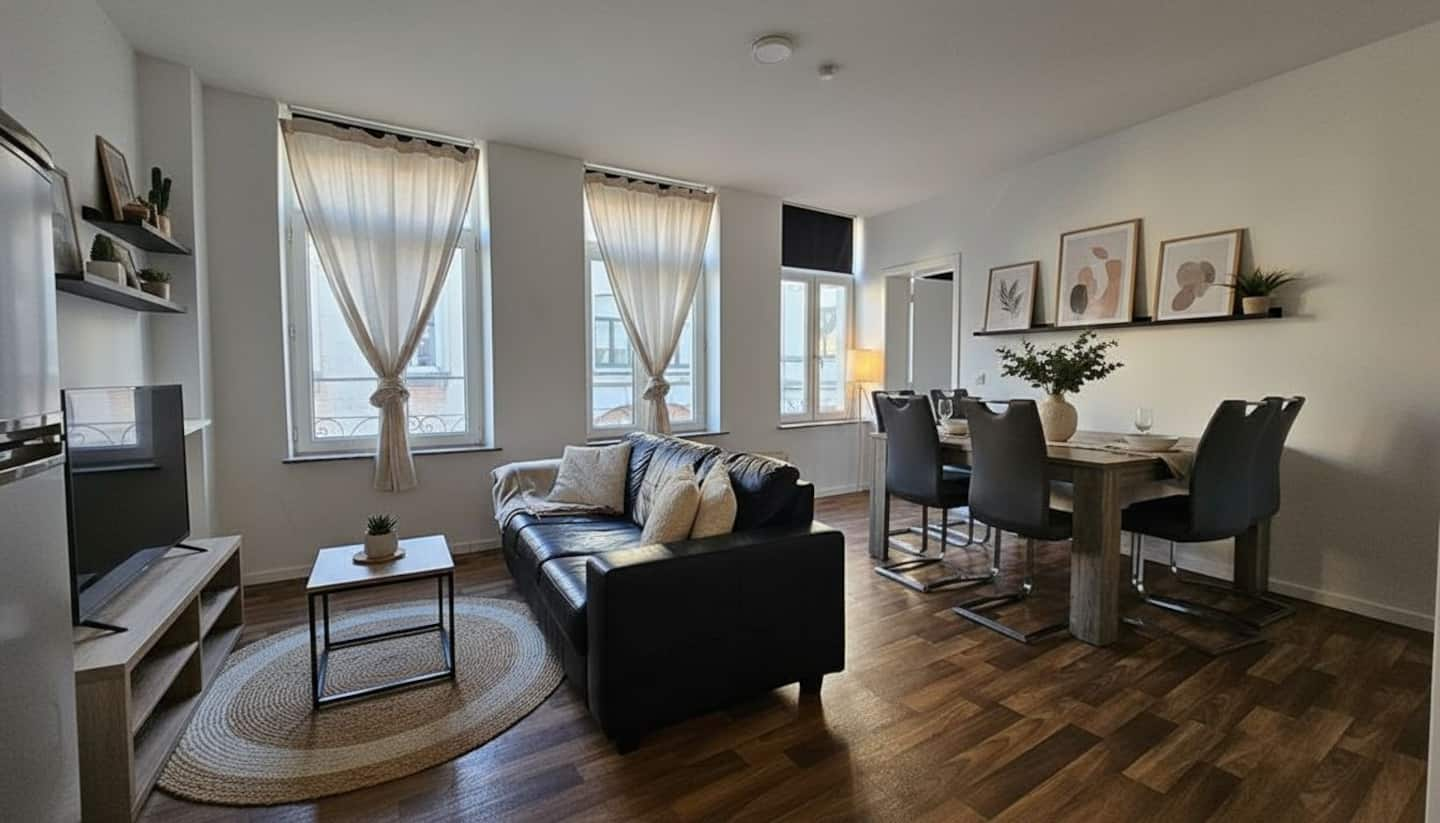
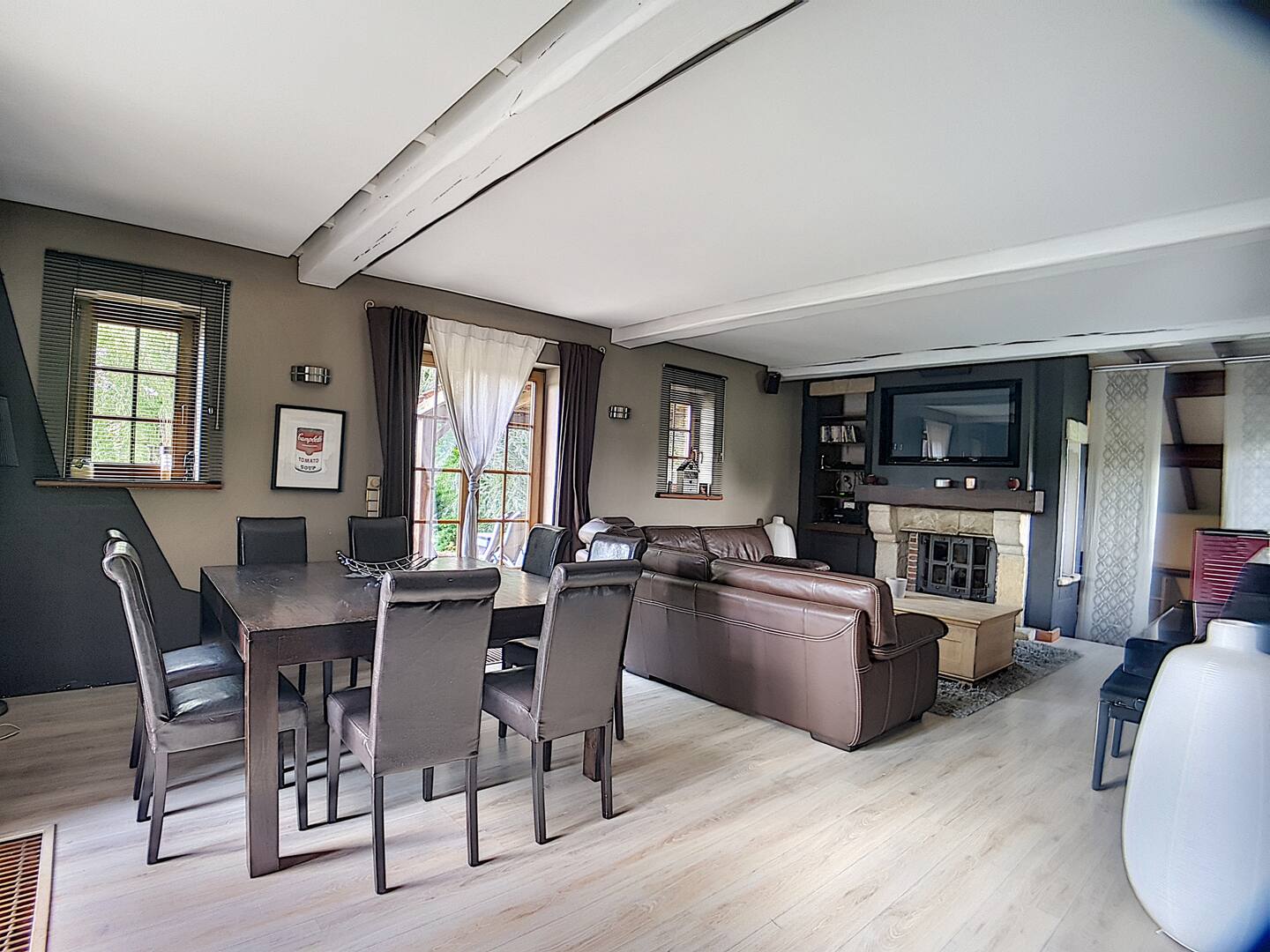
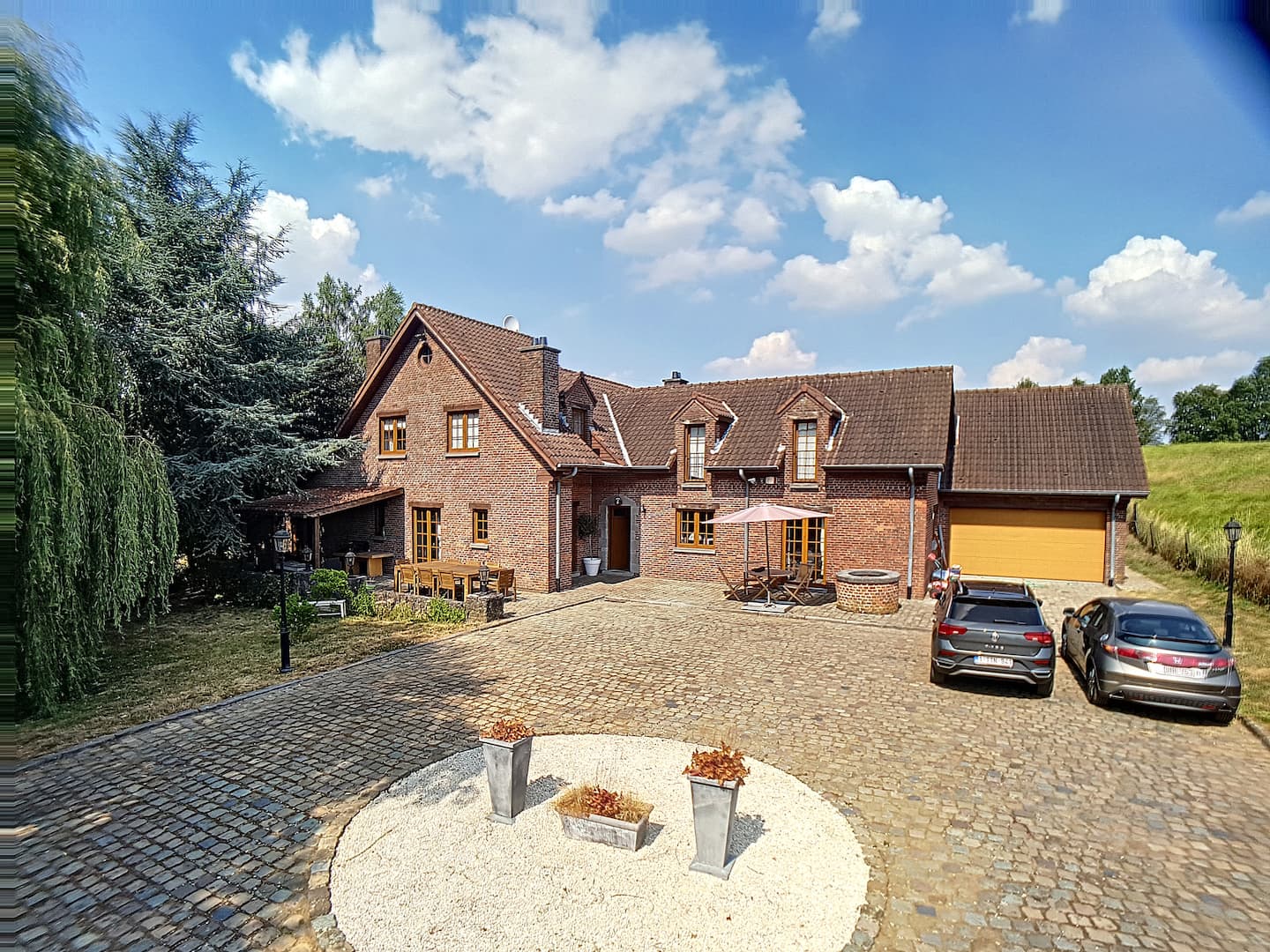
| Best for | Short stays, individuals | Small teams, 2 to 4 people | Groups, typically up to 16 people |
| Kitchen and laundry | Rarely | Yes | Yes |
| Shared living space | No | Limited | Yes |
| Cost structure | Nightly, variable | Monthly, fixed | Monthly, fixed |
| Invoicing | Often multiple bills | Single invoice | Single invoice |
| Parking for vans | Variable | Variable | More often available |
Use these questions to narrow down your choice:
- How long will people stay? Under a few weeks, hotels can still make sense. Beyond a month, rentals usually win on comfort and cost control.
- How many people, and will that number change? Choose a property that fits your peak headcount or a provider able to add capacity.
- How far is the site? Aim for a commute that keeps the working day manageable, ideally well under half an hour.
- Do people need privacy? Check the bedroom layout and bathroom ratio, especially for mixed teams or supervisors who need their own space.
- Who handles the paperwork? If your organisation needs company invoicing and clear contract terms, confirm both before booking.
Realistic scenarios from Belgian projects
Abstract criteria are useful, but most decisions come from concrete situations. Here are typical cases where companies recognise the need for crew housing.
A maintenance shutdown near an industrial zone
An engineering contractor sends eight technicians for a planned shutdown at a plant near Feluy. The work runs for six weeks with early starts. Hotels nearby are limited, and the team needs to leave together at dawn. A single furnished house with enough bedrooms, a large kitchen and parking for two vans keeps logistics simple and lets the site manager hold briefings at the house.
A relocation wave near Brussels
A company is relocating staff to a new office south of Brussels. New employees arrive in batches and need somewhere to live for two or three months while they find permanent homes. Furnished apartments in Waterloo or Beersel give them a comfortable base with Wi-Fi and utilities already running, so they can focus on their new role rather than on setting up contracts.
An installation project with a growing team
A solar or electrical installation firm starts a project in the Charleroi area with four people, then expects to double the crew in the second month. Here the decision isn't only about whether to use crew housing, but whether the provider can scale. Planning a second property in advance avoids a scramble. Our guide on how to scale accommodation for crews in Belgium covers this situation.
A foreign team on a long-term contract
A subcontractor from abroad deploys a team of specialists for nine months. They don't know the area, may not speak French or Dutch, and need a home that works from day one. A ready-to-live-in house with clear house information and a multilingual contact point removes a lot of friction for both the team and their employer.
Checklist before you book crew housing
Once you've decided crew housing is the right fit, timing and preparation make the difference. Housing sourced at the last minute often means compromises on location or capacity, so start early. Our article on how to secure housing before project launch explains how to build lead time into your planning.
Before signing, work through this checklist:
- Headcount and dates: confirm arrival and expected end dates, plus a realistic margin for extensions.
- Bedroom configuration: single rooms, shared rooms, number of bathrooms and any requirements for supervisors.
- Distance to site: check the commute at the times your team will actually travel.
- Parking: number of vehicles, van dimensions and whether trailers need space.
- Inclusions in writing: furniture, kitchen equipment, bedding, washing machine, Wi-Fi and utilities. Our overview of what is included in our housing shows the kind of list you should expect.
- Internet quality: if workers need to send reports or join video calls, high-speed Wi-Fi is essential.
- Contract flexibility: minimum term, extension conditions and notice periods.
- Invoicing: company invoicing, invoice frequency and the details your accounts team requires.
- Point of contact: who the team calls if something breaks, and in which languages.
- House rules: expectations about noise, smoking, waste sorting and household routines, shared with the team before arrival.
At Belgapromo, these points are part of every booking conversation, because a crew house only works if it fits the project's real constraints rather than an ideal scenario.
When crew housing is not the right answer
Being honest about the limits helps you choose well. Crew housing is usually not the best fit when:
- The stay is only a few nights. A hotel is simpler for very short trips.
- Each person goes to a different location. If team members are spread across sites far apart, a shared house loses its main advantage.
- The team cannot share living space. Some roles or company policies require fully private accommodation; in that case, individual apartments may suit better.
- Daily housekeeping is a firm requirement. Furnished rentals are homes, not hotels, so teams manage their own day-to-day household tasks.
In many cases the best setup is a mix: a few hotel nights for an advance visit, followed by a crew house for the main phase of the project.
Check availability for your team
If your project lasts a month or more, involves a group working at the same location and needs a predictable budget, crew housing is very likely the right choice. The earlier you plan, the more options you have on location, capacity and dates.
Belgapromo provides fully furnished houses and apartments for teams of 2 to 16 people in Nivelles, Feluy, Waterloo, Beersel and Lodelinsart, all within easy reach of Brussels, Mons and Charleroi. You can browse our furnished properties with live availability or request a quote with your headcount, dates and work location, and we'll come back to you with options that fit.