A furnished crew housing review should begin before a team arrives on site. For an operations manager, the real question is not whether a property looks good in photos. It is whether six, 10, or 16 workers can move in immediately, rest properly, prepare meals, reach the job site reliably, and remain housed without creating daily administrative work.
For projects in Belgium, furnished group housing can be a more practical option than reserving a block of hotel rooms for several weeks or months. The right property gives workers space and privacy while giving the employer one predictable housing arrangement. The wrong one can lead to overcrowding, unclear charges, long commutes, and avoidable disruptions to the project.
What a Furnished Crew Housing Review Should Measure
A useful review is based on operational fit, not just the nightly or monthly rate. Corporate housing is a business service. It needs to support workforce deployment, project schedules, and cost control from the first day through the end of the assignment.
Start with occupancy. Ask how many people can stay comfortably, not simply how many beds can be placed in the property. A house advertised for 10 people should have sufficient bedrooms, bathrooms, common areas, dining space, and kitchen capacity for 10 working adults. A team that works shifts also needs practical sleeping arrangements, especially when some employees return while others are leaving.
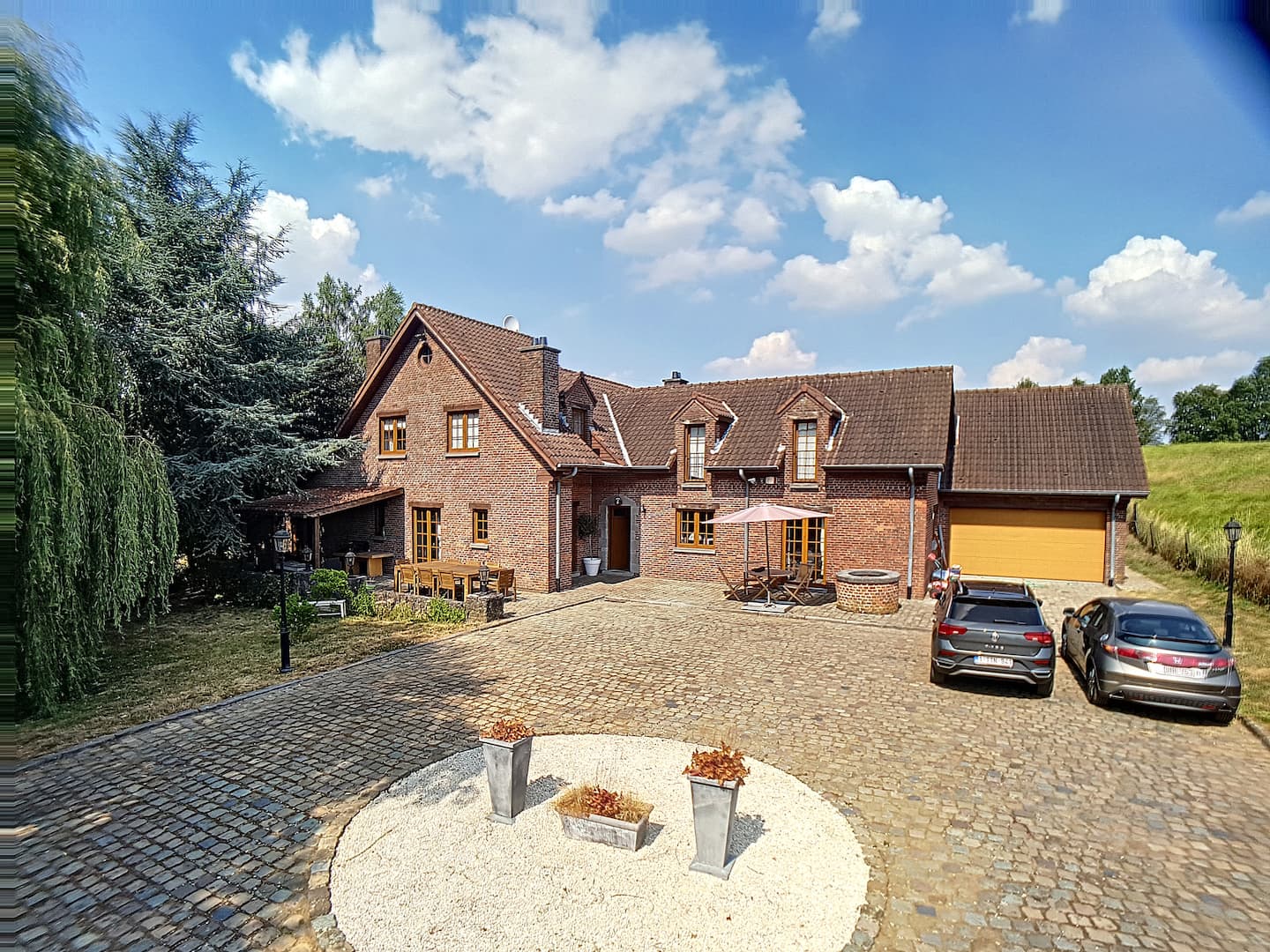
The property type matters. A house may suit a larger crew that needs shared living areas and parking. Apartments can work well for smaller teams or projects closer to city centers. There is no single best format. The right choice depends on crew size, work schedules, vehicle requirements, and the expected length of stay.
Check What Is Actually Included
A furnished property is only ready for occupancy when the essential operating costs and equipment are clear. Furniture alone is not enough for a team arriving from another country or moving between Belgian project sites.
Confirm whether the rate includes utilities, heating, electricity, water, high-speed Wi-Fi, and any applicable service charges. These details have a direct effect on budget predictability. A lower base rent can become less attractive when separate bills, deposits, internet setup, or utility limits are added later.
The kitchen deserves close attention. For teams staying more than a few days, the ability to prepare meals can significantly improve comfort and reduce daily expenses. An equipped kitchen should have usable appliances, refrigeration capacity, cooking equipment, cookware, dishes, and enough space for several people to prepare food. Laundry facilities are equally relevant for medium-term assignments, particularly for technicians and industrial workers.
Ask about practical details that are often missed during booking: bed linens, towels, cleaning arrangements, waste collection, parking, storage, and the process for reporting a maintenance issue. These are not small matters when a full crew is living in the same property.
Location Is a Cost Factor, Not Just an Address
The monthly rental amount is only one part of the housing cost. Long daily travel times can affect punctuality, fuel use, vehicle planning, and employee satisfaction. For a crew working early starts, night shifts, or six-day schedules, a convenient location can be worth more than a lower-priced property far from the project.
Review the route between the accommodation and the site at the times employees will actually travel. Check access to major roads, industrial zones, rail connections where relevant, supermarkets, fuel stations, and basic services. A property near a city center may be useful for a project requiring public transportation. A property outside the center may be better for a crew traveling in company vans and needing easier parking.
Belgium is compact, but traffic and local access can change the practical value of a location. A reasonable drive on a map may become an inefficient commute during peak hours. For longer assignments, the surrounding area also affects day-to-day quality of life. Workers need access to groceries, meals, pharmacies, and simple downtime outside the job site.
Compare the Full Cost Per Employee
Hotel pricing is easy to understand at first because it is usually quoted per room, per night. It can become expensive and difficult to manage when several workers stay for months. Furnished crew housing is typically evaluated as a monthly property cost, often with key services bundled into one invoice.
To compare options fairly, calculate the total monthly housing cost and divide it by the number of employees who will occupy the property. Include utilities, internet, parking, cleaning, taxes, deposits, transportation, and any hotel extras that would otherwise be charged separately. This produces a realistic cost per employee rather than a misleading headline rate.
Shared housing is not always the cheapest answer. A small crew in a remote location may be better served by apartments or a limited number of hotel rooms. However, for groups of six or more staying for a month or longer, a fully equipped house or large apartment often offers stronger value because the major living costs are shared.
The financial benefit is only part of the decision. A team with private or suitable sleeping spaces, a working kitchen, and a common area may be more settled and productive than employees placed separately in hotel rooms for an extended period.
Contract Terms Should Match the Project Schedule
Workforce schedules change. A project may extend after a client request, finish early because of a delay, or require additional personnel during a critical phase. Housing terms should be clear enough to support these changes without creating unnecessary risk.
Review the minimum rental period, notice requirements, extension process, deposit conditions, and payment structure before confirming the property. Companies should also ask whether the supplier can help locate additional housing if the crew grows or if a project moves to another Belgian location.
For international employers, company invoicing is especially useful. It reduces the need for individual employees to pay expenses and seek reimbursement. A single invoice with defined inclusions makes it easier for procurement and finance teams to track accommodation costs against the project budget.
Communication is another contract-level consideration. When a key is missing, a utility question arises, or a crew needs to extend its stay, the company needs a responsive contact who understands the accommodation arrangement. Multilingual support can reduce friction for teams and managers coordinating from outside Belgium.
Questions to Ask Before You Confirm a Property
Before making a decision, request clear answers on the points that affect operations most:
- How many workers can stay comfortably, and how are bedrooms and beds arranged?
- Which costs are included in the monthly price, and which are billed separately?
- Is the kitchen fully equipped for the size of the crew?
- Are Wi-Fi, laundry, parking, and utilities available from move-in day?
- How far is the property from the work site during normal travel hours?
- What are the rules for deposits, extensions, early departures, and maintenance requests?
Photos and floor plans are helpful, but direct answers to these questions provide a better basis for approval. They also prevent the common problem of assuming that a property is turnkey when essential services still need to be arranged after arrival.
When Furnished Housing Is the Better Fit
Furnished crew housing is particularly suitable when a company needs to place employees in Belgium for one month or longer, when several workers need to stay near the same site, or when project managers want one coordinated solution rather than multiple individual bookings. It is also a strong option for relocations, shutdowns, construction work, technical installations, and temporary industrial staffing.
Belga Promo focuses on this operational model, providing fully furnished and equipped houses and apartments for professional teams, generally accommodating groups of six to 16 people. The value is not simply the property itself. It is the ability to place a team quickly with furniture, kitchens, Wi-Fi, utilities, and company-focused administration already organized.
The best accommodation decision supports the work behind it. Choose housing that gives your crew a reliable place to live, gives your managers clear costs and one point of contact, and gives the project room to proceed without accommodation becoming the next problem to solve.