A project can grow faster than its housing plan. One week, a site needs six technicians. The next, a new phase requires 14 workers, a supervisor, and a longer stay than originally expected. Knowing how to scale accommodation for crews means planning for those changes without forcing your team into expensive hotel rooms, scattered addresses, or last-minute administrative work.
For companies deploying teams in Belgium, crew housing should be treated as an operational requirement, not an afterthought. The right arrangement gives workers a practical place to live, keeps costs visible, and gives managers one clear point of contact while headcount, schedules, and project locations change.
Start with the real size of the deployment
The number of people on the first day is not always the number you need to accommodate for the full assignment. Before securing housing, confirm the expected headcount, likely peak occupancy, shift pattern, and contract duration. A crew of eight may become 12 during installation work, while another project may start with a larger team and reduce after commissioning.
This matters because accommodation is harder to expand when it has been booked unit by unit. A group house or large furnished apartment gives a company more control than placing workers across multiple hotels or short-term rentals. It also makes it easier for site managers to communicate with the team and organize transport to the work location.
Ask operational teams for a realistic range rather than a single number. For example, housing for 10 people may need a practical plan for 12 or 14. That does not always mean paying for empty beds from day one. It means choosing a provider and contract structure that can respond when the additional crew arrives.
Plan around peak occupancy, not average occupancy
Average occupancy can look efficient on paper but create problems in practice. If extra contractors arrive for two weeks and there is no available space, managers may have to book costly hotel rooms far from the rest of the crew. Workers lose the benefit of shared transport, shared meals, and a consistent living arrangement.
A better approach is to identify the project peak early. Consider planned phases, subcontractor arrivals, shift handovers, training periods, and possible schedule delays. These factors determine whether one larger property, several nearby units, or a combination of both is the most practical option.
Choose housing designed for teams, not individual travelers
Hotels work well for short, one-person business trips. They are less efficient when a company needs to house a team for several weeks or months. Daily rates add up quickly, employees have limited space to prepare meals or relax, and billing can become complicated when reservations change.
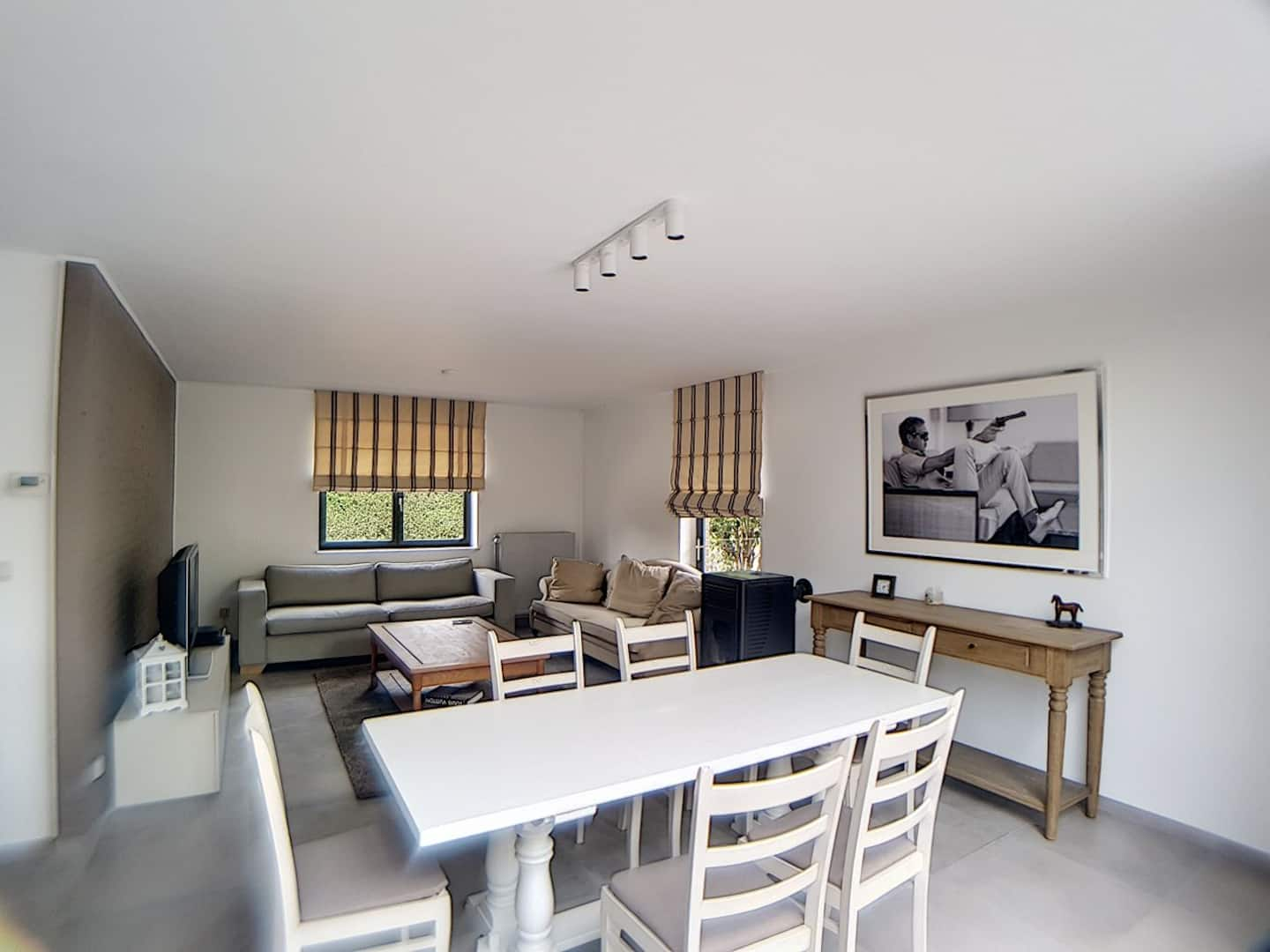
Crew accommodation should provide the basics workers need to live normally after a shift: furnished bedrooms, equipped kitchens, living areas, laundry facilities where available, reliable Wi-Fi, and utilities included in the agreed price. These details reduce the amount of setup required when people arrive from another country or move between project locations.
Properties designed for group occupancy also support better cost control. Instead of booking a separate room for every person, employers can use shared houses or apartments with capacity suited to the crew. This is particularly useful for technicians, construction teams, industrial workers, and contractors assigned to Belgium for medium-term work.
The trade-off is that shared living requires sensible occupancy planning. Teams need sufficient sleeping space, bathrooms, cooking capacity, and common areas. The cheapest option is not always the most productive one if workers are overcrowded or commuting too far each day.
Build flexibility into contracts and timing
Scaling accommodation is not only about finding more beds. It is about having terms that reflect the uncertainty of project work. Start dates move, client approvals take longer, and projects can extend beyond their original deadline. A rigid arrangement can leave a company paying for unused rooms or searching for replacement housing at short notice.
For most workforce deployments, medium-term furnished rentals offer a practical balance. They provide more stability than nightly bookings while remaining more flexible than a long residential lease. Contracts starting from one month are often better suited to project assignments, relocations, maintenance shutdowns, and temporary staffing needs.
When discussing accommodation, clarify the expected start date, minimum stay, extension process, notice requirements, and capacity options. Ask what happens if the team grows, if one worker leaves early, or if the project is extended by several months. Clear answers protect both the budget and the project schedule.
Keep the crew close to the worksite and transport routes
A lower rental rate can lose its value if workers spend too much time traveling. Location affects punctuality, fatigue, fuel costs, parking requirements, and the ability to respond to site changes. For teams working early shifts or long days, a practical commute can matter as much as the quality of the accommodation itself.
Start with the exact worksite, then consider access to major roads, public transportation if relevant, local services, and parking for company vehicles or vans. If the project covers more than one location, identify the place where the crew will spend most of its working hours rather than selecting housing based only on the city name.
In Belgium, distances may appear manageable on a map but become less convenient during peak traffic or when teams are carrying tools and equipment. A provider familiar with corporate housing needs can help match the property location to the project’s logistics, not simply to a preferred postal code.
Standardize the accommodation brief
As projects multiply, accommodation requests can become inconsistent. One manager asks for a hotel near the site, another searches for apartments independently, and procurement receives invoices from several sources. This creates unnecessary work and makes it difficult to compare costs across projects.
A standard accommodation brief creates control. It should state the work location, number of workers, expected occupancy range, dates, budget parameters, vehicle needs, sleeping arrangement requirements, language needs, and invoicing contact. It should also identify who can approve extensions or changes.
With this information collected in one place, the housing search becomes faster and more accurate. It also reduces the risk of booking accommodation that looks suitable online but does not meet the team’s actual requirements.
For larger or repeated deployments, establish basic company standards. Define what is included, the acceptable commute time, the minimum Wi-Fi requirement, the preferred billing format, and the approval process. Standardization does not mean every crew must stay in identical housing. It means each booking is assessed against the same practical criteria.
Control cost through total spend, not nightly rate
The headline price is only one part of the accommodation cost. Hotels may include certain services but often require daily rates, individual reservations, restaurant spending, parking charges, and changes to multiple bookings. A low-cost rental may exclude utilities, furniture, Wi-Fi, or essential kitchen equipment, creating additional expenses and delays.
Compare options based on total monthly cost for the whole team. Include rent, utilities, internet, furniture, cleaning arrangements, parking, travel time, and administrative effort. A ready-to-live-in property with one company invoice can be easier to budget than several separate bookings with variable charges.
All-inclusive corporate housing gives procurement and operations teams a clearer cost base. It is especially useful when the assignment lasts long enough for workers to benefit from cooking their own meals and sharing common space. For a two-night emergency visit, a hotel may still be the sensible choice. For a crew staying one month or longer, furnished group accommodation is often the more efficient model.
Use one accountable housing contact
Crew housing changes quickly. A project manager may need to add two workers, delay an arrival, replace a team member, or extend the stay. When accommodation is spread across several platforms and landlords, every change creates separate messages, invoices, and confirmation risks.
Working with one accountable contact simplifies the process. The provider should be able to confirm availability, explain what is included, issue company invoices, and communicate clearly when requirements change. Multilingual support can also be valuable for international companies coordinating Belgian projects from abroad.
Belga Promo provides fully furnished, equipped houses and apartments for professional teams in Belgium, with group capacities typically ranging from 6 to 16 people and terms from one month onward. This structure gives companies a practical route to scale without rebuilding their accommodation plan every time a crew changes size.
Treat worker comfort as a project factor
Accommodation affects attendance, morale, and retention. Workers who can cook, rest, do laundry, and stay connected with family are more likely to settle into an extended assignment. Poor living conditions create friction that site managers then have to solve.
Comfort does not require luxury. It requires functional space, clean and usable facilities, reliable connectivity, and enough privacy for people working demanding schedules. The goal is to provide a stable base where crews can recover between shifts and arrive ready for work.
When your next project forecast changes, send the housing brief before the team is confirmed on site. Early visibility gives you more suitable property options, better budget control, and enough flexibility to accommodate the people who keep the project moving.