
A housing booking can look affordable at first, then become an admin problem once the team arrives. Receipts are split across travelers, utility costs appear later, and finance teams spend time sorting personal payments from business expenses. That is where company invoicing accommodation matters. For employers housing staff in Belgium, it turns lodging into a manageable operating cost instead of a collection of scattered charges.
What company invoicing accommodation means in practice
Company invoicing accommodation is exactly what many operations and HR teams need but often do not get from standard short-stay lodging. The accommodation is booked for business use, and the invoice is issued directly to the company rather than to each individual occupant. That sounds simple, but the operational difference is significant.
Instead of reimbursing workers, collecting receipts, or reconciling multiple payments, the employer receives one clear invoice for the stay. In many cases, that invoice can also cover furniture, utilities, internet, and other included services. For companies managing technicians, contractors, relocation cases, or project teams, this creates a much cleaner process from approval to accounting.
This model is especially useful when housing is needed for several weeks or several months. Hotels are often built around individual travelers and daily billing. Corporate housing with company invoicing is built around business administration, group occupancy, and predictable cost control.
Why companies ask for company invoicing accommodation
The request usually starts with a practical problem, not a legal or financial one. A site manager needs to place eight workers near a project. An HR team is arranging temporary housing for employees transferred from abroad. A procurement team wants a monthly lodging cost that can be approved in advance. In each case, the company needs accommodation that works operationally and administratively.
The invoicing side matters because business stays are rarely just about the nightly rate. There are often questions about who paid, what was included, when charges were added, and whether the stay fits internal policy. A direct company invoice reduces that friction.
There is also a control issue. When staff members book individually, standards vary. One employee chooses a hotel, another chooses an apartment, and a third extends a stay without central oversight. Company invoicing accommodation supports a more organized approach. The employer books the property, defines the dates, knows the occupancy, and receives the billing directly.
The financial advantage is not just the invoice
A company invoice is valuable because it simplifies accounting, but the bigger benefit is cost structure. For medium-term stays, furnished corporate housing is often more economical than booking multiple hotel rooms, especially for teams.
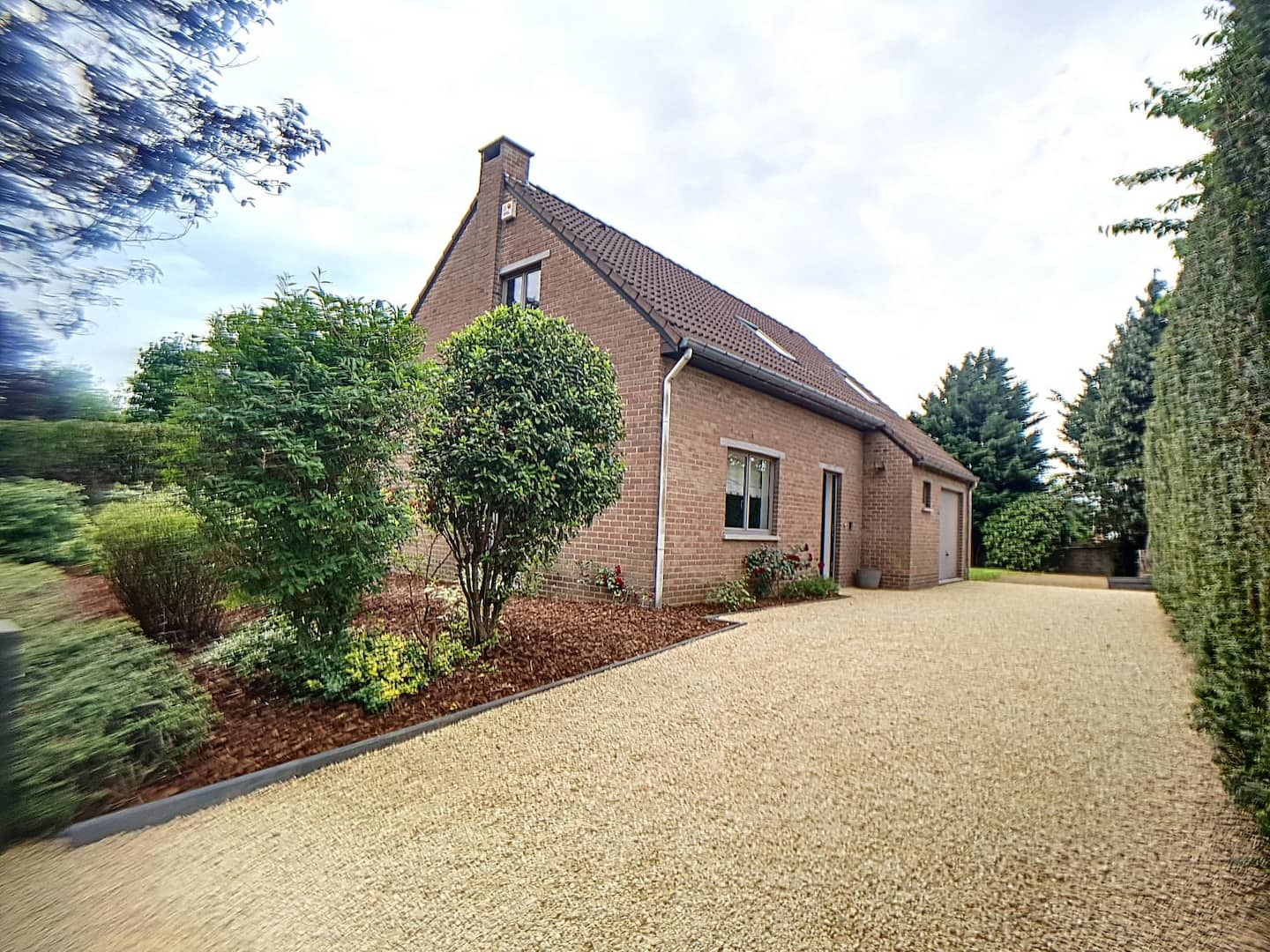
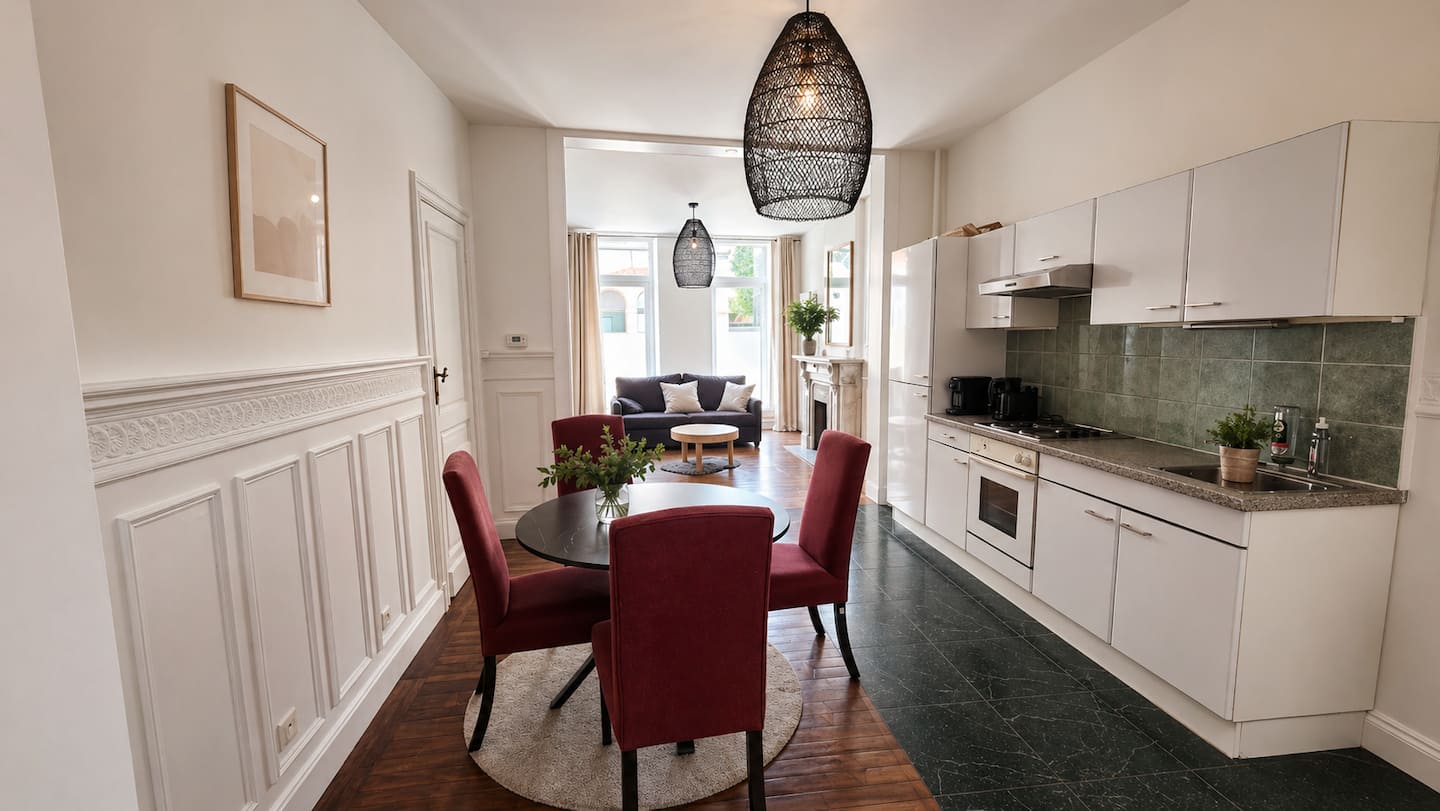
A single house or apartment for six to sixteen occupants changes the cost equation. Instead of paying separate hotel rates per person, the company pays for one furnished property designed for shared occupancy. When utilities, Wi-Fi, kitchens, and furniture are already included, monthly budgeting becomes easier.
This matters for longer assignments. A two-night stay can absorb some pricing inefficiency. A two-month or six-month stay cannot. Over time, hidden extras, meal costs, laundry costs, and repeated hotel administration can push accommodation spending far above the initial estimate.
That said, the lowest headline price is not always the best option. If a cheaper property creates transport issues, weak internet, limited capacity, or poor living conditions, the operational cost goes up elsewhere. Delays, complaints, turnover, and low worker comfort all carry a business cost. Good company invoicing accommodation balances price, usability, and reliability.
What business clients should expect from the invoice
Not every supplier handles invoicing in the same way. Some only invoice room charges and leave utilities or internet separate. Others issue invoices to the company but still require personal payment cards from occupants. That can defeat the purpose.
For business use, the invoice should be clear enough for internal processing. At minimum, companies usually want to see the rental period, property reference, occupancy or intended use, and what is included in the rate. If the goal is budget predictability, an all-inclusive structure is usually the most practical.
This is one reason many employers prefer furnished corporate rentals over fragmented booking platforms. A proper business accommodation setup can present housing as a straightforward monthly service rather than a series of variable travel expenses.
Why furnished team housing fits this model better than hotels
Hotels work well for short, individual travel. They are less efficient when the stay becomes operational housing for a team. The issue is not only cost. It is also the way the accommodation functions day to day.
Project teams need space to live, not just sleep. They need kitchens, stable Wi-Fi, laundry access, and enough room for several occupants over an extended period. They also need a setup that can start quickly, without buying furniture or organizing utility accounts.
This is where furnished houses and apartments are better aligned with company invoicing accommodation. The service is structured as ready-to-use housing for business occupancy. The company can place workers immediately, know what is included, and manage the stay through a single provider.
For employers with recurring deployments, this creates repeatable process. The booking model, invoicing logic, and occupancy expectations stay consistent from one project to the next.
Common use cases in Belgium
Belgium sees steady demand for workforce accommodation tied to industry, logistics, infrastructure, maintenance, engineering, and cross-border business activity. In these situations, booking accommodation is rarely a one-off travel task. It is part of project execution.
A contractor may need to house a team near a client site for three months. A company opening a local operation may need furnished accommodation for relocated staff while permanent housing is arranged. A technical services firm may move crews between regions depending on workload. In each case, the company benefits from accommodation that can be occupied quickly and billed directly.
For international employers, the value is even clearer. Managing lodging in another country becomes much easier when the provider understands business stays, group occupancy, and company invoicing from the start.
What to check before choosing a provider
The right property is only part of the decision. Companies should also verify how the accommodation is managed. If the stay is for workers or project teams, ask whether the property is designed for group occupancy, how many people it can comfortably house, what is included in the rate, and how flexible the rental period is.
Invoicing terms should be confirmed early. Ask who receives the invoice, how often it is issued, whether all services are included, and whether the provider can support standard business documentation requirements. These details matter because they affect both internal approval and ongoing administration.
Response time also matters more than many buyers expect. Workforce housing often needs to be arranged quickly. A provider that can confirm availability, explain terms clearly, and issue company-ready billing is easier to work with than one offering low clarity and slow follow-up.
A practical fit for medium-term corporate stays
Company invoicing accommodation is not a niche extra. For many employers, it is the difference between a controlled housing process and a messy one. It supports finance, simplifies administration, and makes medium-term accommodation easier to manage across departments.
For companies housing employees in Belgium, the strongest setup is usually a furnished, all-inclusive property built for business occupancy and backed by direct company billing. That gives operations teams fast placement, gives finance teams one clear cost line, and gives workers a more livable environment than a string of hotel rooms.
Belga Promo is built around that logic: ready-to-live-in houses and apartments for teams, flexible rental periods, and company invoicing that keeps housing practical from booking to payment.
When accommodation has to work for both the people staying there and the people approving the budget, simplicity is not a bonus. It is part of the service.