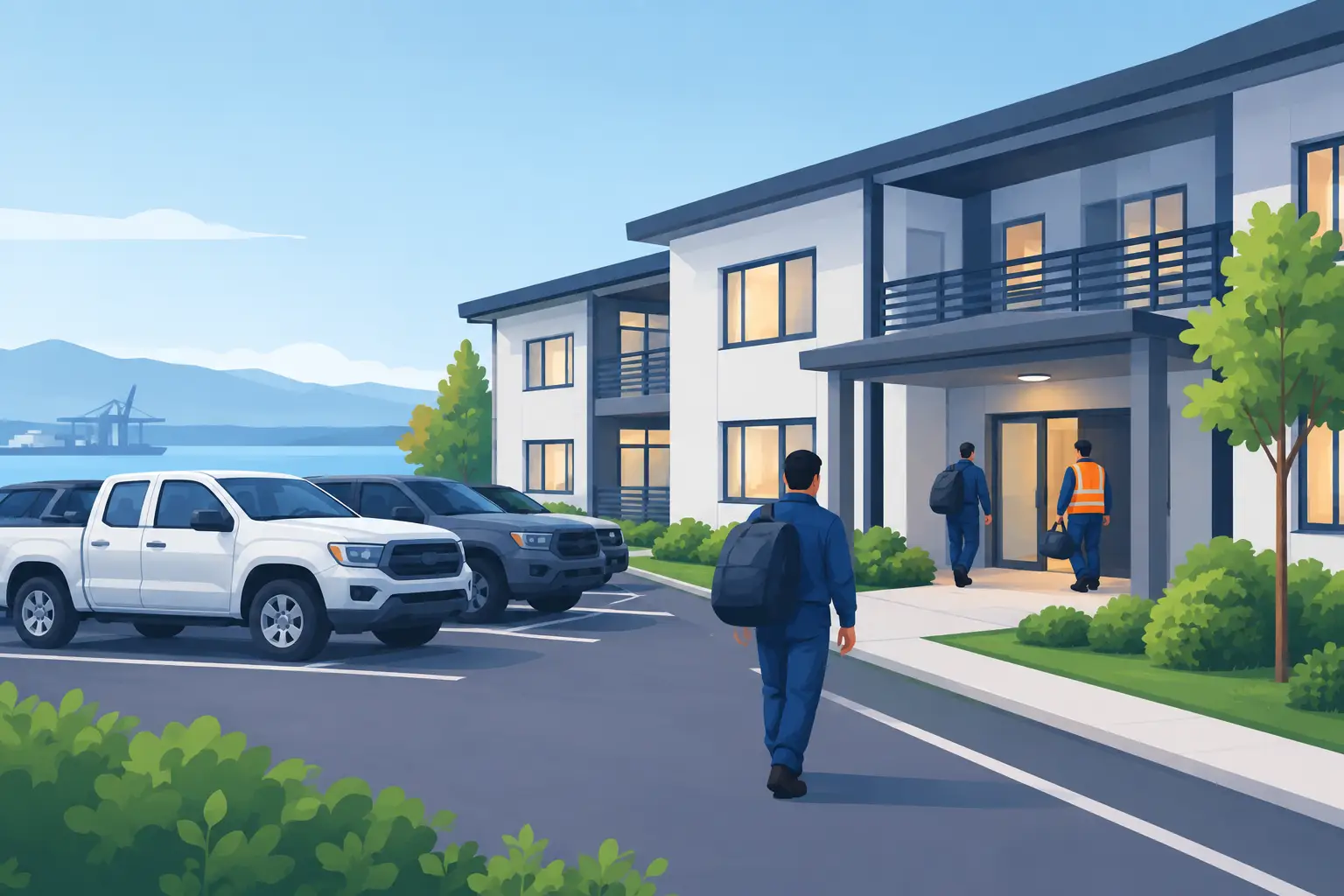

When a project starts in a new city, housing can become a problem faster than staffing. A company may have the right technicians, supervisors, and subcontractors ready to go, but if the team is spread across hotels, commuting long distances, or waiting for furnished rentals to be prepared, productivity drops almost immediately. That is why group accommodation for contractors is not just a housing choice. It is an operational decision.
For companies managing projects in Belgium, the right setup needs to do three things well. It must be available quickly, work for teams rather than individuals, and stay predictable from a budget and admin standpoint. If one of those elements is missing, the accommodation creates extra work instead of removing it.
Why group accommodation for contractors makes business sense
Hotels can be useful for short trips, but they become expensive and impractical for multi-week or multi-month assignments. Booking ten rooms for a site team may solve the first night, yet it rarely solves the full project. Costs add up quickly, meal arrangements are inconsistent, and workers have very little shared space to rest after long shifts.
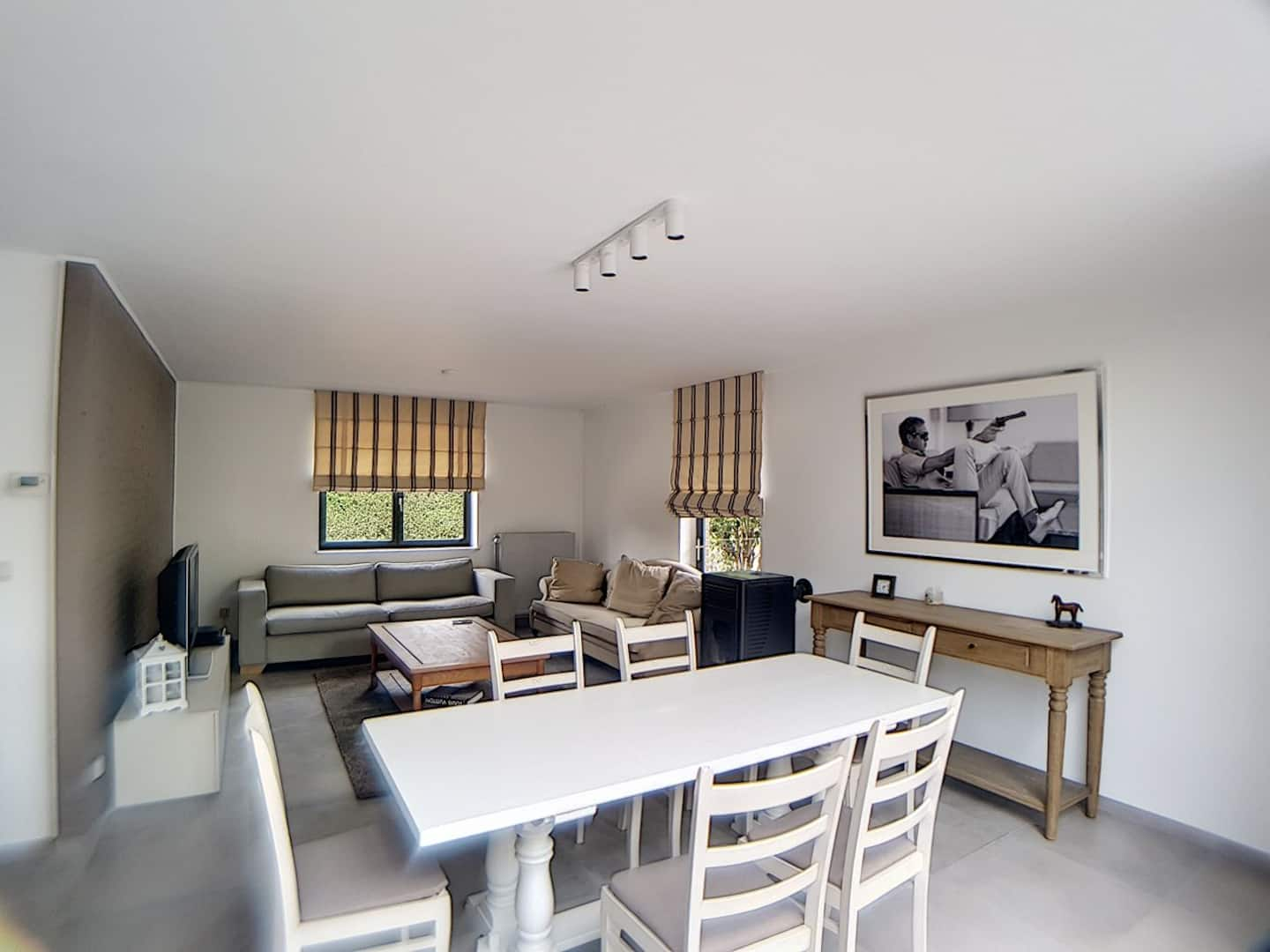
Group accommodation for contractors is better suited to the reality of workforce deployment. Teams can stay together in fully furnished houses or apartments with equipped kitchens, Wi-Fi, utilities, and enough sleeping capacity for group occupancy. That changes the experience from temporary lodging to ready-to-live-in housing.
There is also a management advantage. Instead of handling multiple hotel reservations, changing room lists, separate expense claims, and fragmented billing, companies can centralize accommodation into one operational arrangement. For HR, procurement, and site management, that means fewer moving parts and fewer surprises.
What companies should look for first
The first question is not price. It is fit.
A low nightly rate means very little if the property cannot house the full team comfortably or if the layout creates daily friction. Contractor housing should be evaluated based on occupancy capacity, sleeping arrangements, kitchen facilities, parking access, internet reliability, laundry availability, and practical proximity to the worksite.
A team of eight electricians working a six-week industrial shutdown has different needs than a group of fourteen workers on a long infrastructure project. In one case, a compact apartment setup may be enough. In another, companies need larger houses designed for 6 to 16 occupants with enough shared and private space to keep the stay workable over time.
Contract length matters too. Many companies do not need traditional leases, and they do not want to furnish a property for a temporary assignment. Flexible medium-term furnished housing fills that gap. It allows employers to place teams quickly without committing to a standard residential rental structure that was never designed for business use.
The cost question is about total cost, not room rate
This is where many housing decisions go wrong. Procurement teams often compare a furnished group property to a hotel on headline price alone. That comparison is incomplete.
With contractor accommodation, the real cost includes utilities, internet, furniture, kitchen equipment, cleaning arrangements, transport implications, and the admin time required to manage the stay. If these items are split across several vendors or left to employees to arrange individually, the hidden cost rises.
An all-inclusive model is often easier to control because the company knows what is included from the start. One invoice, one contract structure, and one ready-to-use property are usually more efficient than piecing together a housing solution through separate bookings and reimbursements.
There is also the workforce factor. When employees have space to cook, rest, and stay close to colleagues, the arrangement tends to be more sustainable over longer assignments. That does not always show up in a spreadsheet immediately, but it affects attendance, morale, and day-to-day project stability.
Comfort matters because project performance matters
Contractor accommodation is not a leisure product, but that does not mean comfort is optional.
Workers on assignment need practical living conditions. They need real beds, functioning kitchens, reliable showers, strong Wi-Fi, and enough space to switch off after work. If the housing is poor, the project feels the impact. Fatigue rises, frustration rises, and the employer ends up dealing with issues that could have been avoided during the housing selection process.
The best properties for teams are designed around usability. That means fully furnished interiors, equipped kitchens, immediate occupancy, and layouts that support shared living without becoming chaotic. It also means avoiding housing that looks acceptable in photos but was clearly intended for short tourist stays rather than professional teams.
For contractors staying one month or longer, practical comfort supports consistency. Teams settle in faster, routines become easier, and managers spend less time troubleshooting accommodation complaints.
Location should support the job, not just the map
A good address is not only about being in a major city. It is about reducing operational friction.
Housing should be close enough to the worksite, industrial zone, logistics route, or transport connection that daily travel remains manageable. Saving even 20 to 30 minutes each way matters when teams are working early starts, long shifts, or rotating schedules.
There is often a trade-off here. A property in the exact city center may not be the most practical option for contractor teams if parking is limited, vehicle access is difficult, or the route to the site is inefficient. In many cases, companies are better served by accommodation positioned near key roads or project corridors rather than in premium residential locations.
That is why local availability matters. A provider that understands business travel patterns in Belgium can help companies balance access, capacity, and cost instead of pushing accommodation that is only attractive on paper.
Flexibility is not a bonus feature
Projects change. Team sizes increase. Deadlines move. Extensions happen with little notice.
Any company booking workforce housing should assume that some level of change is likely. This makes flexible contracts and fast availability more valuable than highly rigid booking structures. If housing cannot adapt when a project runs longer than expected or an additional crew arrives, the accommodation becomes another project risk.
This is one reason furnished medium-term rentals are well suited to contractor teams. They sit between short hotel stays and long residential leases. That middle ground is where many operational assignments actually live.
For employers, flexibility should also include business-friendly administration. Company invoicing, clear rental terms, and responsive communication are not extras. They are basic requirements when accommodation is being managed at scale.
A better process for booking contractor housing
The strongest housing decisions usually come from getting the operational details clear early.
Before requesting accommodation, companies should know the team size, expected start date, likely duration, worksite location, vehicle needs, and any must-have services such as Wi-Fi, kitchens, or separate sleeping arrangements. The clearer the brief, the faster a provider can match the right property.
It also helps to think in terms of project phases. A launch crew may need housing first, followed by a larger team later. Some employers need one property for a stable group, while others need a scalable option that can expand as the contract grows. There is no single best format for every deployment. It depends on how fixed or fluid the project is.
For companies that regularly place teams in Belgium, working with a specialist provider is usually more efficient than sourcing each stay from scratch. Providers focused on business housing understand the difference between tourist accommodation and operational housing for professionals. That distinction saves time.
Belga Promo is built around that business need, with fully furnished houses and apartments for group occupancy, all-inclusive services, flexible terms, and fast availability for company teams.
When group accommodation is the right choice
Not every assignment needs shared housing. For very short executive trips or one-person visits, hotels may still make sense. But for technicians, contractors, and deployed teams staying for weeks or months, group accommodation is often the more practical model.
It gives employers better control over cost, simplifies coordination, and offers workers a more functional place to live during the assignment. Most importantly, it aligns accommodation with the actual needs of the job instead of forcing the job to adapt to unsuitable housing.
The best housing solution is the one that removes friction from the project. If your team can arrive, settle in immediately, and focus on the work, the accommodation is doing what it should.