When a project starts in Belgium, housing often becomes the first operational problem. Hotel rooms are expensive over several weeks, short-term rentals are inconsistent, and scattered bookings make team coordination harder than it needs to be. For companies arranging employee accommodation Belgium, the real priority is simple - secure housing that is ready now, easy to manage, and suitable for teams.
That requirement changes the way accommodation should be evaluated. This is not leisure travel, and it is not a one-person relocation case. Companies housing technicians, contractors, installers, engineers, and site crews need practical living space, predictable costs, and terms that match project timelines. The right setup reduces admin work, supports worker comfort, and helps operations run without avoidable disruptions.
What companies actually need from employee accommodation in Belgium
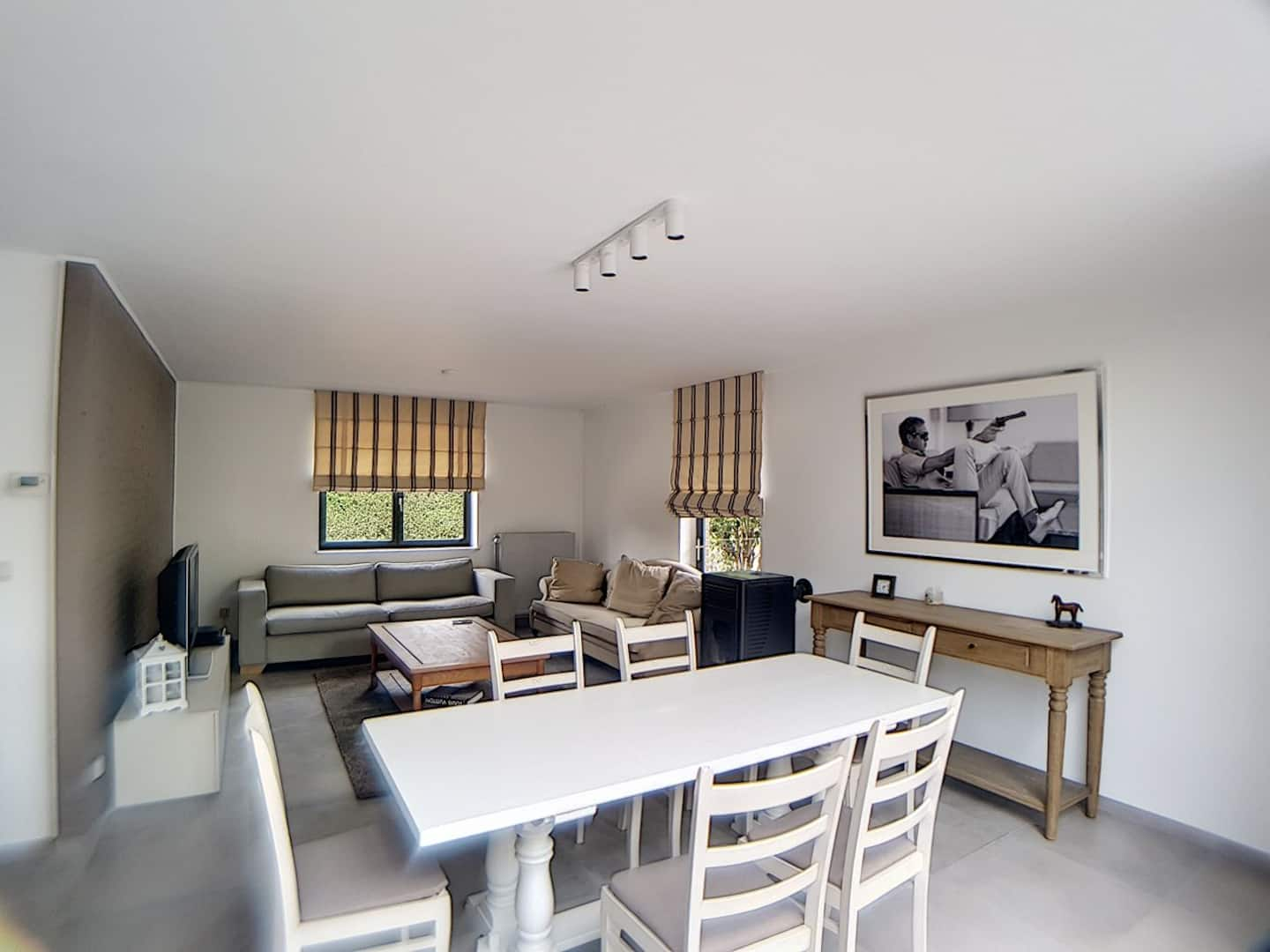
Most business clients are not looking for luxury. They are looking for a property that works from day one. That usually means furnished housing with equipped kitchens, working internet, utilities included, and enough capacity to accommodate a team without splitting everyone across multiple addresses.
Group occupancy matters more than many providers realize. If six, eight, or twelve workers are assigned to the same project, keeping them in one house or in coordinated apartments is easier for transport planning, supervision, and scheduling. It also avoids the cost and inefficiency of booking a large number of hotel rooms for medium-term stays.
The contract model matters just as much as the property itself. Many assignments do not fit fixed annual leases, but they also last too long for traditional hospitality pricing. Companies need terms that start at one month and can extend when a project runs longer than expected. That flexibility is often the difference between housing that supports operations and housing that creates new problems.
Why hotels are often the wrong fit
Hotels can make sense for a short visit, a training week, or an executive trip. They are less practical for work teams staying for a month or more. The nightly rate becomes difficult to justify, laundry and meal costs add up quickly, and workers lose the basic comfort of having a living space rather than just a room.
There is also an operational issue. Managing many hotel reservations, extensions, check-ins, and separate invoices creates unnecessary admin. For HR, procurement, and site management teams, that is time spent on logistics instead of the project itself.
Furnished corporate housing is usually a better match when the goal is to place several employees in Belgium for a medium-term assignment. A single all-in rate is easier to budget, and a move-in-ready setup reduces lead time. Workers can cook, rest properly, and settle into a space that feels functional instead of temporary.
The cost question is not just about rent
Companies comparing housing options often focus first on the monthly price. That is necessary, but not sufficient. The real cost includes utilities, Wi-Fi, furniture, kitchen equipment, transport efficiency, admin time, and the impact of poor housing on workforce stability.
A lower headline rent may look attractive until it requires separate utility contracts, internet installation, deposits, furnishing, or multiple suppliers. That kind of arrangement can work for a long relocation with plenty of planning time. It is usually less suitable when teams need to be placed quickly and the accommodation must be operational immediately.
All-inclusive furnished housing gives companies clearer cost control. It reduces variation in monthly spending and limits hidden setup expenses. For employers managing several workers at once, that predictability is often more valuable than chasing the lowest base rent.
What good employee accommodation Belgium should include
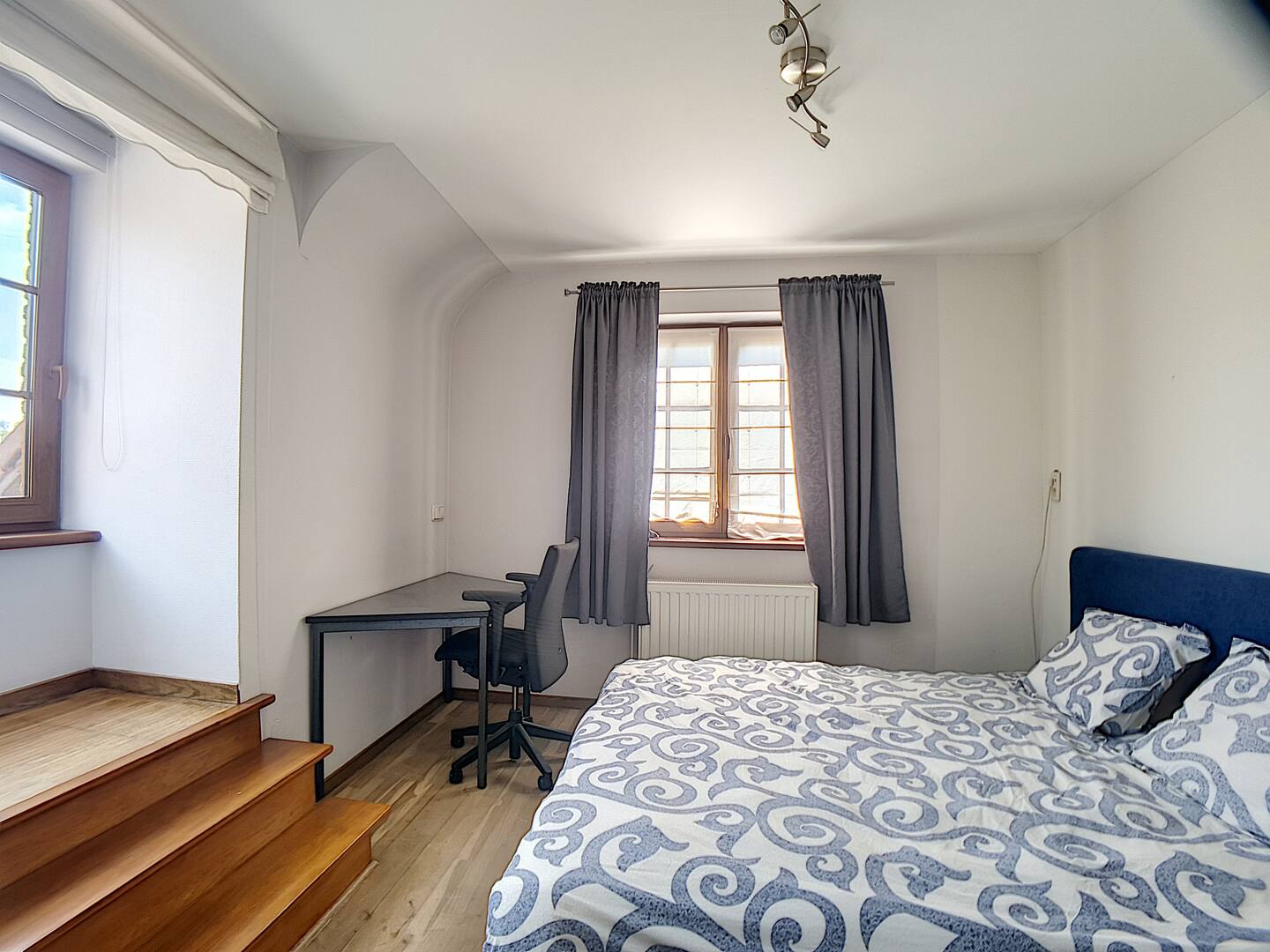
At a practical level, business housing should be ready for immediate occupancy. That means beds, seating, storage, kitchen appliances, cookware, internet access, and active utility services. If a team arrives after a long travel day, they should be able to move in without arranging basic essentials.
Capacity is another key factor. Not every provider is structured for group housing. A property may be furnished, but still not suitable for a work team. Companies should check how many people the accommodation is designed to hold, how bedrooms are organized, and whether the shared spaces are realistic for daily use over several months.
Location should be judged by operational convenience, not by tourism value. Access to industrial areas, logistics routes, client sites, and transport connections matters more than proximity to leisure districts. A well-located property can reduce travel time every day, which affects labor efficiency and transport cost over the full assignment.
Flexibility matters because projects change
Project timelines rarely stay fixed. Installations run late, shutdowns are extended, teams rotate, and client requirements shift. Housing contracts need to reflect that reality.
This is where many conventional rental options fall short. Private landlords may want long commitments, rigid terms, or local guarantor structures that are not practical for business use. At the same time, hotel-style options may be flexible but too expensive for medium-term occupancy.
A better approach is accommodation structured specifically for corporate stays, with contract durations that can start at one month and continue for much longer if needed. That gives companies room to adjust without restarting the housing search every time a project changes.
Why team-oriented housing improves daily operations
There is a clear difference between accommodation that simply exists and accommodation that supports work performance. Employees who have space to cook, rest, and live in a stable environment are generally easier to retain on assignment. That matters on demanding projects where continuity and attendance are important.
Team housing also improves coordination. When workers are housed together or in organized units, transport is simpler, start times are easier to manage, and communication tends to be smoother. For site managers, this can reduce daily friction in ways that do not appear on a rent comparison sheet but are felt across the entire job.
There are trade-offs, of course. Not every team should be housed in the same format. Senior staff, longer relocations, or mixed roles may require different property types. The point is not that one setup fits every case, but that workforce accommodation should be chosen based on the assignment, team size, and length of stay.
How to evaluate a provider before booking
The fastest quote is not always the safest choice. Companies should check whether the provider is genuinely set up for business clients, or simply repackaging consumer rentals.
A reliable provider should be able to explain what is included, how invoicing works, what occupancy range the property supports, how quickly units can be made available, and what happens if the stay needs to be extended. Clear answers on these points usually indicate a more dependable service model.
Responsiveness matters too. If communication is slow before move-in, it rarely improves once a team is in place. Business clients need quick confirmation, practical support, and straightforward documentation. Multilingual communication can also be a major advantage for international companies placing staff in Belgium.
For firms that need ready-to-live-in group housing, Belgapromo.be fits this business need directly by offering furnished houses and apartments for teams, with utilities, Wi-Fi, flexible terms, and company invoicing in one operational package.
Employee accommodation in Belgium is an operational decision
It is easy to treat housing as a secondary procurement item. In practice, it affects cost control, workforce comfort, travel time, and the amount of admin attached to every assignment. Poor accommodation choices create ongoing inefficiencies. Good ones stay in the background and let the project move.
That is why employee accommodation in Belgium should be evaluated as part of the operational plan, not as an afterthought. The best option is usually the one that can house the right number of people, in the right location, with the right level of readiness and flexibility, without adding complexity for the company arranging it.
If the accommodation is furnished, all-inclusive, sized for teams, and available on practical contract terms, the decision becomes much simpler. Companies can place workers quickly, maintain budget visibility, and reduce the amount of time spent managing housing issues instead of the work itself.
A useful benchmark is this: if your housing solution still requires multiple suppliers, repeated follow-up, or constant adjustments after move-in, it is probably not built for workforce deployment. The right setup should feel straightforward from the first inquiry to the final invoice.