A cross-border assignment works when four things are settled before anyone travels: the administrative basis for the work, a realistic timeline, a place to live from the first night, and a simple way to track costs. For companies sending technicians, engineers or project crews to Belgium, housing is usually the item with the longest lead time and the biggest impact on how well the team settles and performs.
This guide walks through each phase of an assignment to Belgium, from planning to the final week, with checklists and decision criteria you can reuse. It is written for HR managers, project and site managers, and mobility coordinators who need a practical process rather than theory.
What makes a cross-border assignment different
A domestic posting mainly raises logistics questions. A cross-border assignment adds layers that can block or delay the project if they are handled late.
- Administration in two countries. Your company's home rules still apply, but so do Belgian requirements for foreign workers and posted staff. These vary by nationality, contract type and sector.
- Language and local know-how. Belgium is multilingual. The area around Brussels, Charleroi and Mons is largely French-speaking, while Flemish areas work in Dutch. Leases, utility contracts and neighbours may not be in your team's language.
- No local network. A domestic team can stay with family or drive home at weekends. A foreign team depends entirely on what the employer arranges.
- Higher cost of mistakes. A wrong address, a missing parking space or a lease that cannot be extended is harder to fix from abroad.
The practical consequence: decisions that would be taken a few days before a local project need to be taken weeks earlier for a cross-border one.
Phase 1: Plan the assignment before anyone travels
Start with a short planning document that everyone involved can read. It does not need to be long, but it should answer the questions that housing providers, advisors and the team will ask.
Define the assignment scope
- Headcount and roles. How many people, and will this change? Note planned rotations, specialists who join for a few weeks, and supervisors who come and go.
- Dates. Expected start, expected end, and the realistic range if the project slips. Assume it may run longer.
- Work location. The exact site address, shift patterns and whether the team travels between several sites.
- Vehicles. Will the team drive company vans from abroad, rent locally or rely on public transport? This changes where they should live.
- Budget owner. Who approves costs, and which project or cost centre will be invoiced.
Run the administrative checkpoints
We cannot give legal or tax advice, and the rules depend on your situation, so treat the following as questions to put to your mobility, payroll or legal advisor rather than as a definitive list:
- Do the workers need to be declared before starting work in Belgium, and who files the declaration?
- Which country's social security applies, and what proof should workers carry?
- Are there minimum pay or working-time conditions that apply during the posting?
- Do any workers need a work or residence permit based on their nationality?
- What insurance covers the team while abroad, including health and liability?
Build these checks into the timeline with an owner and a deadline. Late paperwork is one of the most common reasons a team arrives but cannot start.
If your workers are formally posted from another country, our French-language guide to housing posted workers in Belgium covers the housing side of that situation in more detail.
Phase 2: Choose the right housing for a foreign team
Once headcount, dates and site are known, secure housing. The earlier you book, the more likely you are to keep the whole team under one roof close to the site. Our article on how to secure housing before project launch explains how to time this.
Decision criteria that matter for cross-border teams
- Distance to the site. Aim for a predictable commute that does not eat into rest time, especially with early shifts.
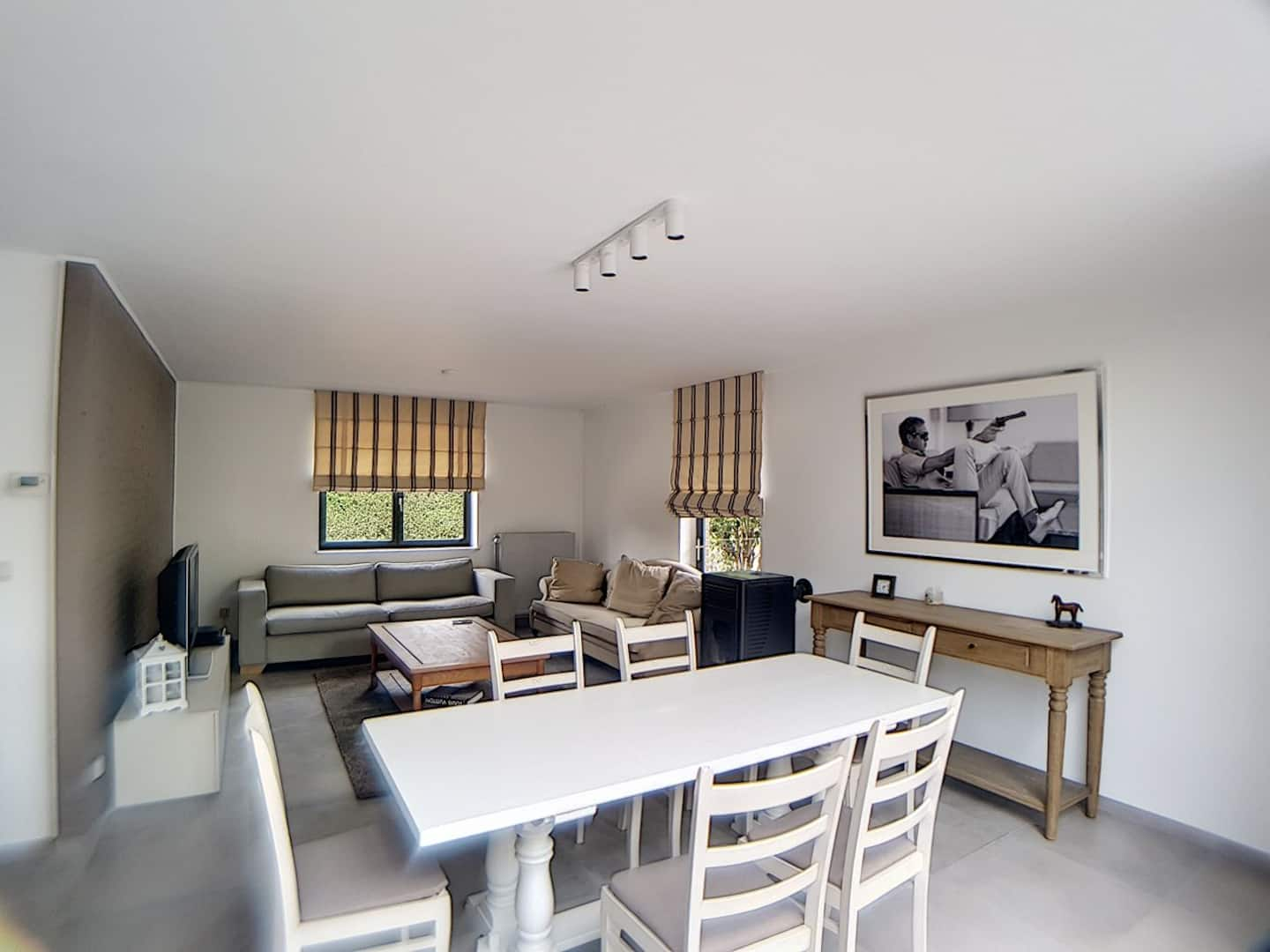
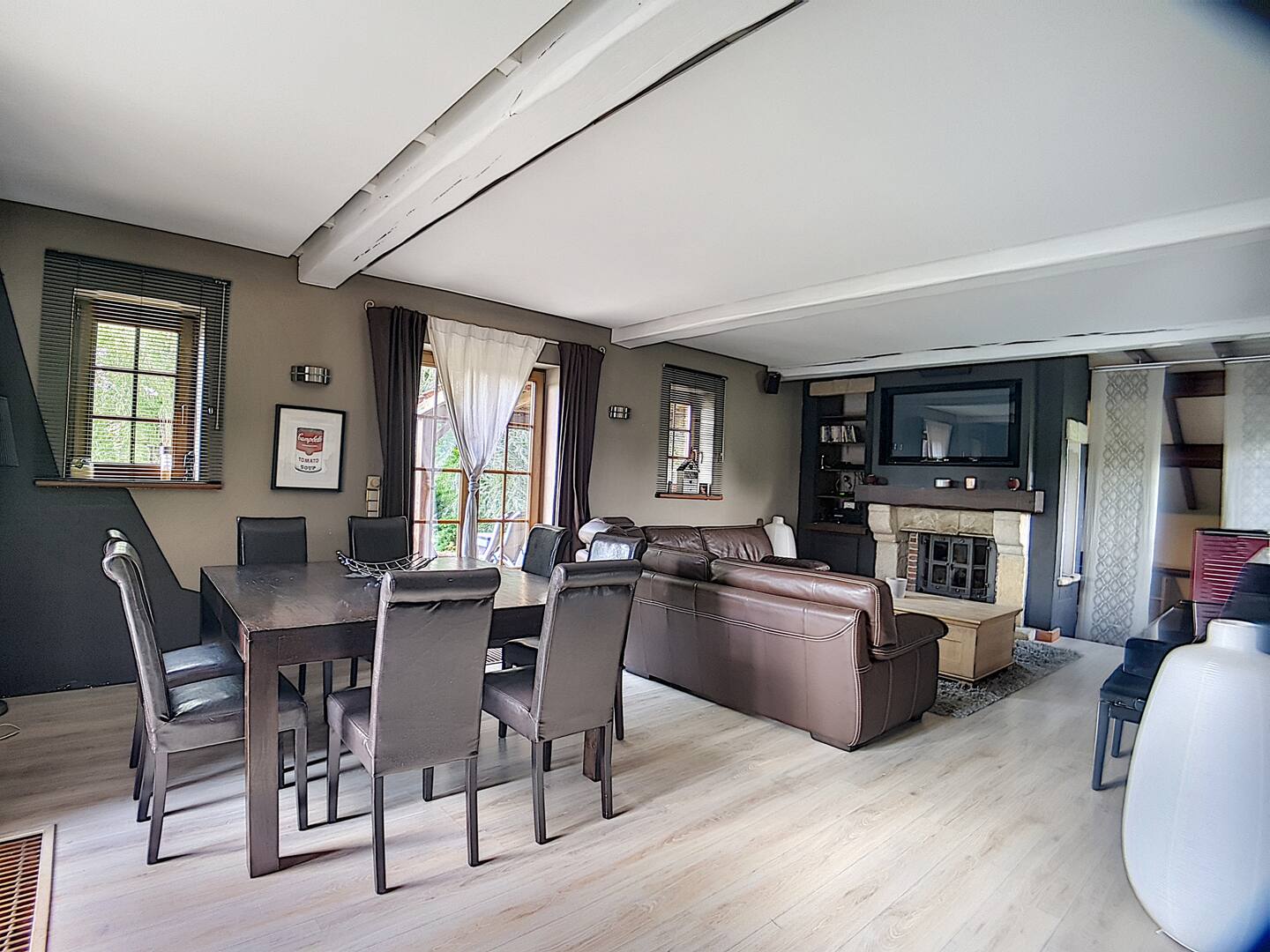
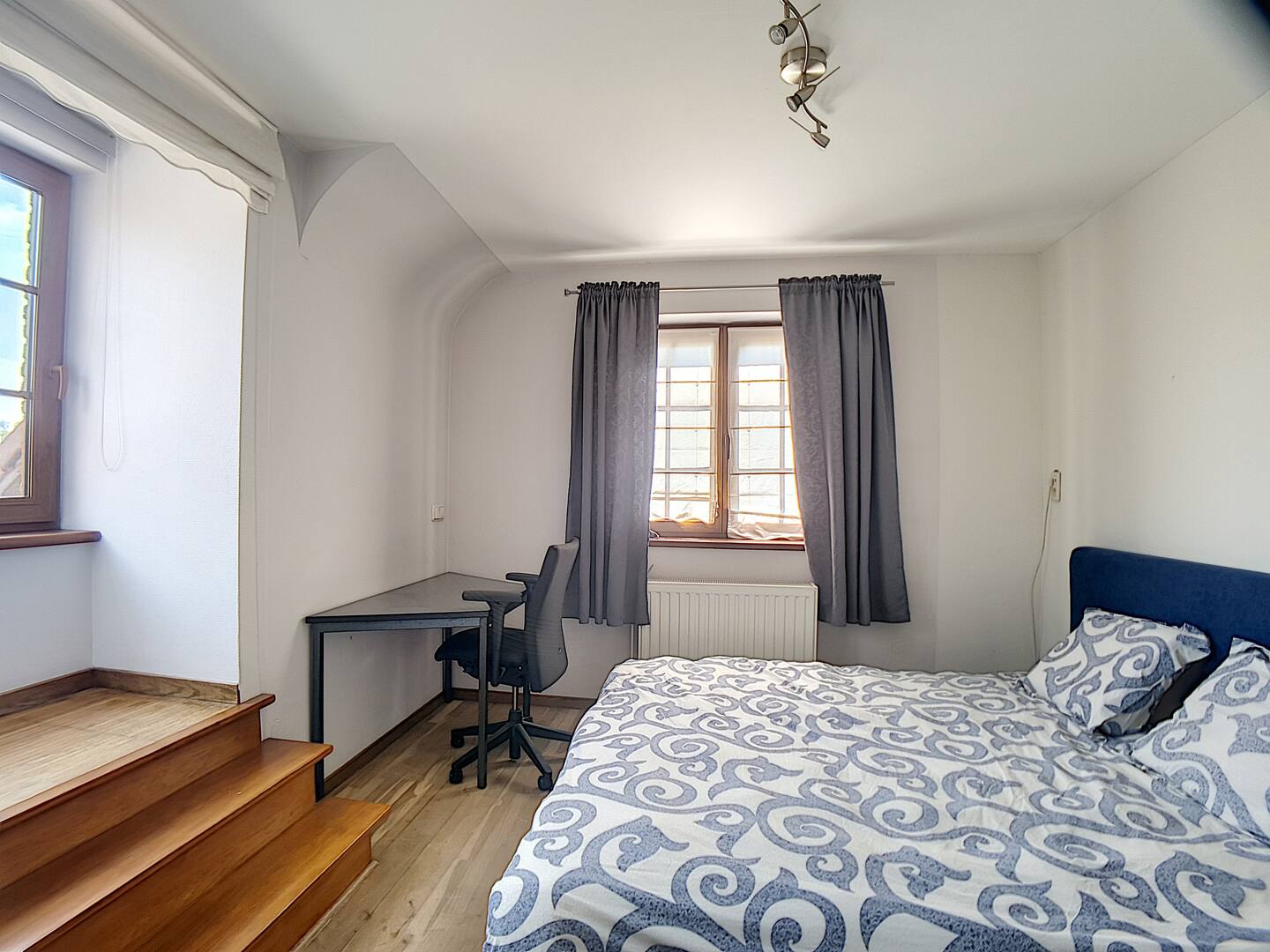
- Ready-to-live-in setup. A team arriving after a long drive or flight should not need to buy bedding, kitchen equipment or a router. Check exactly what is provided, including furniture, an equipped kitchen, Wi-Fi and utilities.
- Contract flexibility. Can you extend by a month? Reduce headcount? What notice is required?
- Company invoicing. One invoice addressed to the company, ideally monthly, is far easier than reimbursing individual expenses.
- Parking. Essential if the team brings vans or tool trailers.
- Communication. A provider who can answer in the team's language, or at least in English, avoids misunderstandings on arrival and when issues come up.
Hotels versus furnished group housing
| Criterion | Hotel rooms | Furnished house or apartment |
|---|---|---|
| Best fit | A few nights, very small teams | Stays of one month or longer, groups |
| Kitchen | Usually none | Fully equipped |
| Living space | Individual room only | Shared living areas plus bedrooms |
| Invoicing | Often per room or per person | One contract, company invoice |
| Team cohesion | Spread across rooms or floors | Living together, easier coordination |
For longer assignments, being able to cook, wash clothes and relax in a shared living room makes a visible difference to how a foreign team copes with weeks away from home. More on this in our guide to housing for foreign workers in Belgium.
Location in practice
If your site is in the industrial areas south of Brussels, around Charleroi or towards Mons, locations such as Nivelles, Feluy, Waterloo, Beersel or Lodelinsart keep commute times manageable while giving the team access to shops and services. Belgapromo's furnished houses and apartments in these towns are set up for groups of 2 to 16 people, with stays from one month to a year or more, which suits most cross-border project timelines. You can see what is included in our housing before you compare options.
Phase 3: Arrival and the first week
The first 48 hours set the tone for the whole assignment. A team that arrives tired, cannot get in, or has no internet to call home starts the project on the wrong foot.
Pre-arrival checklist
- Send each worker the full address, check-in details and a contact number reachable by phone or WhatsApp.
- Confirm the arrival time with the housing provider, especially for late-evening arrivals.
- Share the Wi-Fi details in advance so workers can contact family immediately.
- Prepare a one-page local sheet: nearest supermarket, pharmacy, emergency number 112, and the route to the site.
- Agree house rules in advance: room allocation, shared spaces, quiet hours, smoking and parking.
During the first week
Appoint one team member as the housing contact. This person reports issues, collects questions and is the single point of contact for the provider. Schedule a short check-in after a few days to catch practical problems early, such as a team member who needs a different room or a commute that takes longer than expected.
The human side matters as much as logistics. Our article on how to onboard relocated employees offers ideas for helping people settle quickly in an unfamiliar country.
Phase 4: Run, adjust and close the assignment
Most cross-border assignments change along the way. Planning for change is cheaper than reacting to it.
Managing changes
- Extensions. Ask early whether the housing can be extended and how much notice is needed. Moving a team mid-project wastes time and disrupts routines.
- Rotations. If crews rotate, keep the same property and let people hand over rooms rather than rebooking each time.
- Headcount changes. Check whether the property can absorb extra people or whether a second unit nearby is needed.
Keeping costs under control
A fixed monthly amount covering rent, furniture, utilities and Wi-Fi gives finance teams a predictable figure to plan against. Combine this with a single company invoice per month and a clear cost-centre reference, and reconciliation becomes routine. Our explainer on company invoicing for accommodation covers what details to request on invoices.
Closing the assignment
- Confirm the departure date in writing with the agreed notice.
- Ask the team to leave the property in the condition they found it and to report any damage honestly.
- Organise the check-out and key return.
- Hold a short review: what worked, what to change for the next project, and whether to reuse the same housing.
Three realistic scenarios
A six-person maintenance crew for three months
A technical services company sends six technicians for a plant shutdown near Feluy. Shift work starts early, and the crew brings two vans. The priorities are a short commute, parking for both vehicles, and enough bedrooms for proper rest. A furnished house for the full period, booked as soon as the shutdown date is confirmed, avoids nightly hotel costs and gives the crew a kitchen for early breakfasts.
A rotating team of twelve on an industrial project
An engineering contractor runs a nine-month project near Charleroi, with crews rotating every few weeks. Keeping one large property for the whole period, with a stable room plan and an on-site team lead, means new arrivals step into a working household instead of starting from zero each rotation. The company receives one invoice per month regardless of who is staying.
Two specialists with an uncertain end date
A manufacturer sends two engineers for a commissioning phase planned for two months, with a real chance it will run longer. A two-person apartment on a flexible contract with a clear extension notice period is the sensible choice, rather than a fixed short-term booking that would need to be renegotiated under pressure.
Ready to house your team in Belgium
A cross-border assignment is far easier to run when housing is settled early, fully equipped and invoiced to the company. Belgapromo can answer in French, Dutch, English or Spanish, which helps when coordinators and teams come from different countries.
Browse our furnished properties with live availability, or request a quote with your headcount, dates and site location, and we will come back to you with suitable options.