When a project start date is fixed, housing delays quickly become operational delays. That is why housing for foreign workers Belgium is rarely just an HR task. It affects site readiness, worker comfort, travel planning, cost control, and how much time your team spends solving avoidable logistical issues.
For employers bringing technicians, contractors, installers, or temporary teams into Belgium, the housing decision usually comes down to one question: what setup works in practice for group stays of several weeks or several months? Hotels may look simple at first, but they often become expensive, restrictive, and difficult to manage at team scale. Standard residential rentals can be cheaper on paper, but they are rarely ready for immediate occupancy and often create extra administrative work.
The most efficient option is usually furnished corporate housing built for workers rather than tourists. That means accommodation with enough capacity for teams, working kitchens, utilities already active, Wi-Fi in place, and a contract structure that fits business timelines.
What companies actually need from housing for foreign workers in Belgium
The housing itself matters, but the operating model matters just as much. Employers typically need accommodation that can be occupied immediately, billed to the company, and managed without piecing together separate services.
That is where many housing options fail. A property may look suitable in photos, but if the utility accounts are not active, the lease terms are rigid, or the setup assumes a private family instead of a work team, the property creates friction from day one.
For workforce housing in Belgium, four factors usually decide whether an option is viable. First is occupancy capacity. If you are housing six, eight, or twelve workers, splitting people across multiple small units often increases transport complexity and costs. Second is location. Proximity to industrial zones, client sites, or major transport routes can matter more than city-center positioning. Third is contract flexibility. Many assignments are scheduled for one to three months, but extensions are common. Fourth is what is included. Furniture, kitchen equipment, Wi-Fi, utilities, and company invoicing should already be built into the offer.
If even one of those elements is missing, the accommodation can still be usable, but the management burden increases. Someone on your side then has to coordinate the missing pieces.
Hotels, private rentals, or team housing?
Hotels work for short individual stays. They are less effective for work crews or technical teams staying several weeks. The daily rate is usually the first issue, but not the only one. Teams have limited shared space, meal options are expensive, laundry arrangements are not always practical, and room availability can become a problem when headcount changes.
Private residential rentals can reduce the monthly cost, but they often assume a standard local tenancy model. That can mean unfurnished space, separate setup for utilities and internet, deposit requirements, and contracts that are not designed for a company placing rotating workers. For employers under time pressure, those details matter.
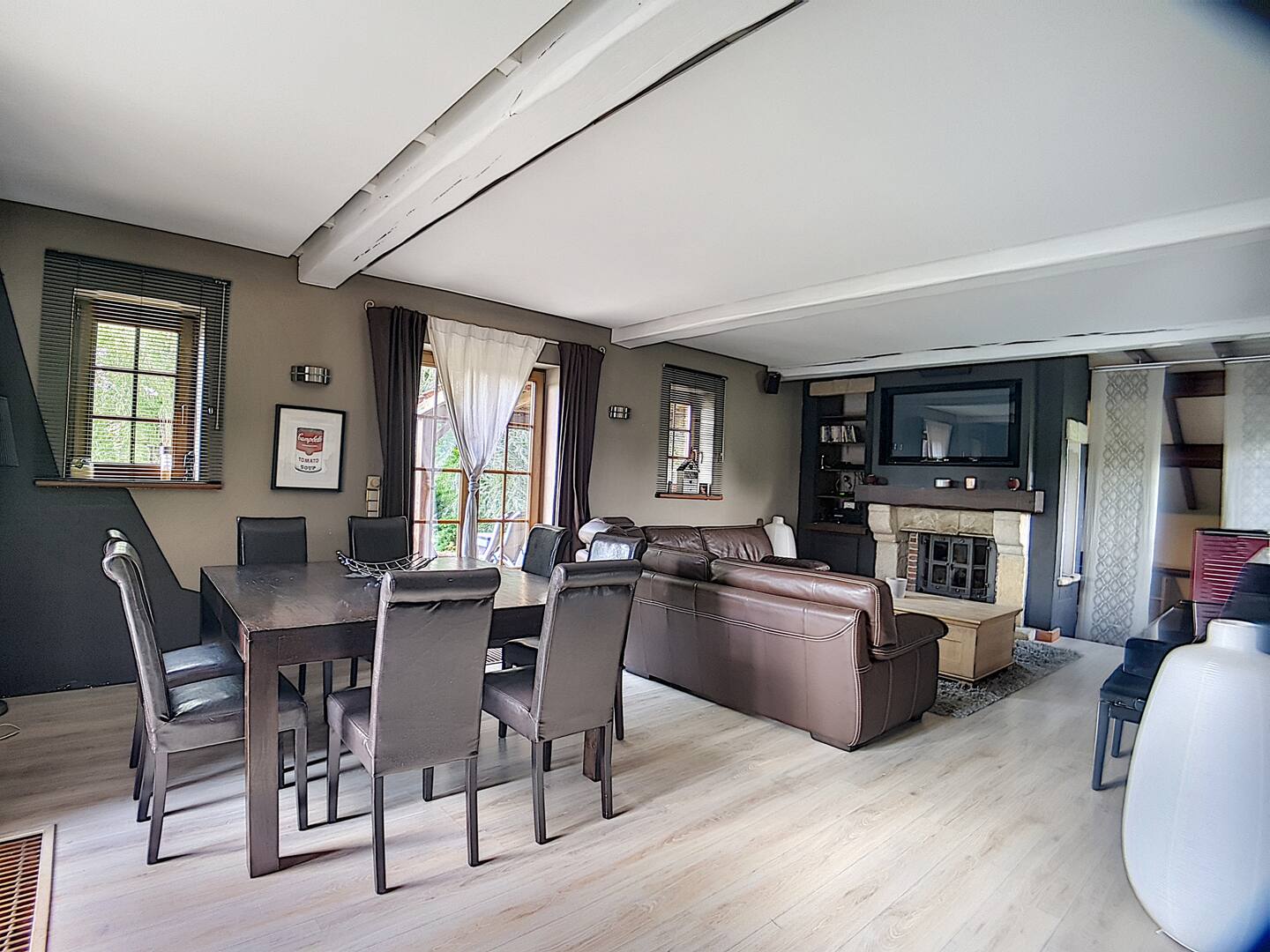
Furnished group accommodation sits in the middle, and for many business users it is the most workable model. It gives companies the comfort and cost efficiency of residential living with the readiness and flexibility expected in corporate operations. Workers can cook, rest, and live more normally than they would in a hotel, while the employer gets a simpler structure to manage.
This is also where scale makes a difference. If your company needs housing for a team of 6 to 16 people, a properly configured house or apartment often performs better than booking multiple disconnected rooms across several properties.
The real cost of housing foreign workers
The cheapest nightly price is not always the cheapest housing solution. Employers need to look at the full operating cost over the whole assignment.
Hotels tend to produce a predictable invoice, but the monthly spend rises quickly, especially when meals, parking, and laundry are added. Standard rentals may look cheaper at contract stage, but the hidden costs can include furnishing, kitchen equipment, internet installation, utility activation, cleaning coordination, and staff time spent managing the setup.
Ready-to-live-in housing makes budgeting easier because the major living costs are already bundled. That gives procurement and operations teams a clearer view of monthly spend and reduces the risk of small unmanaged expenses building up across several workers.
There is also a productivity angle. Workers who have enough space, proper sleeping arrangements, and access to a functioning kitchen generally settle faster. That does not appear as a line item on an invoice, but it affects attendance, comfort, and team stability.
What to check before you book housing for foreign workers Belgium
The right property depends on the assignment, but employers should always verify the same basics before confirming a stay.
Start with capacity and room layout. A property advertised for a certain number of people may technically fit them, but not always in a way that is practical for a working team. Sleeping arrangements, bathroom access, shared living space, and kitchen size all matter when occupancy is high.
Then look at what is included. Furnished should mean more than beds and a table. For business housing, the practical essentials are equipped kitchens, reliable Wi-Fi, utilities already connected, and a setup that supports immediate move-in. If workers arrive after travel and the property is not fully usable on day one, the handover has already failed.
Contract terms should be checked with the same attention. Some companies need one month. Others need six months with possible extension. Flexibility is valuable, but it should be clear rather than vague. Ask how extensions work, what notice period applies, and whether billing is structured for company administration.
Finally, confirm responsiveness. Housing problems are rarely about the property alone. They are about how fast issues are solved when plans change, headcount shifts, or arrival timing moves. A reliable contact process is part of the service.
Why group-ready furnished housing works better for employers
For many companies, worker accommodation becomes inefficient because it is arranged one room at a time. That approach can work for occasional travel. It is less effective when you are placing crews, rotating teams, or supporting a project schedule that may change.
Group-ready furnished housing is better aligned with how operations teams actually work. It allows employees to stay together, reduces transport fragmentation, and simplifies internal coordination. It also supports longer assignments more effectively because workers have a livable environment rather than a temporary room.
This is especially relevant for industries that rely on mobile labor, including construction, logistics, engineering, maintenance, manufacturing, and industrial shutdown work. In those cases, accommodation is not a side issue. It is part of deployment planning.
A provider like Belga Promo is built around that reality. The value is not just the property itself. It is the combination of furnished housing, included utilities, Wi-Fi, company billing, flexible duration, and availability for teams rather than single travelers.
When the right answer depends on the project
There is no single housing model that fits every company. If one manager is relocating a senior employee for several months, a smaller apartment may be enough. If a site manager is bringing in a team of installers for ten weeks, group housing near the job location is usually the better choice. If assignment dates are uncertain, flexibility may matter more than headline monthly price.
That is why the best housing decision starts with operational requirements rather than property type. How many people are coming? How long are they staying? Do they need to live together? Is the project likely to extend? How quickly do they need to move in? Once those points are clear, the right accommodation is usually easier to identify.
For employers, the goal is straightforward: secure housing that supports the job instead of creating extra work around it. In Belgium, that usually means furnished, fully equipped accommodation that can take teams in quickly, stay flexible as plans change, and keep both workers and administration under control.
A good housing setup should feel simple once it is in place. If your team can arrive, settle in, and focus on the assignment, the accommodation is doing exactly what it should.