
When a site opens, a contract is awarded, or a technical team is needed on short notice, accommodation cannot become the delay. Companies that need to source furnished homes for teams in Belgium need more than available beds. They need practical housing that is ready on arrival, close enough to the work location, and simple to manage for weeks or months.
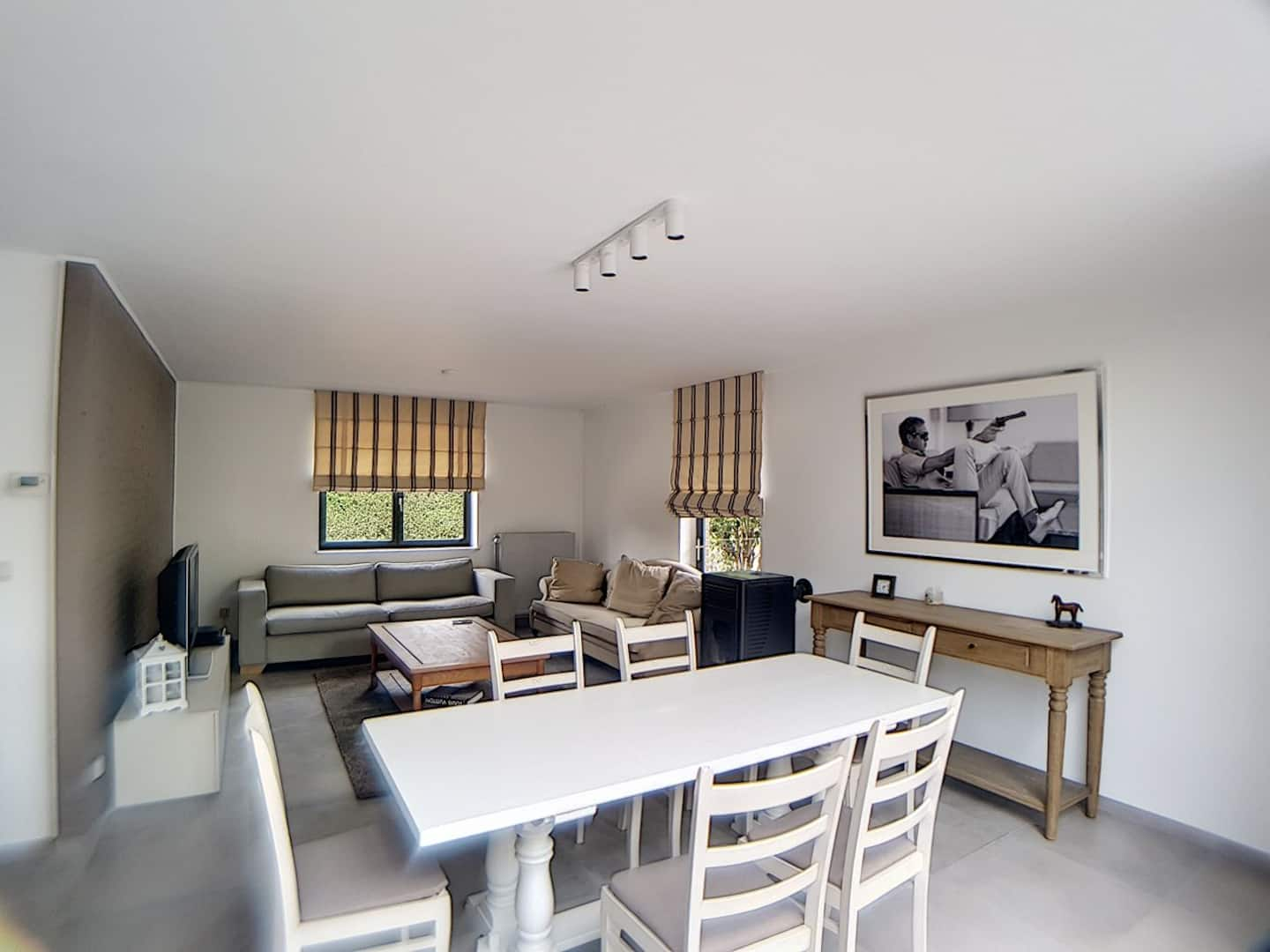
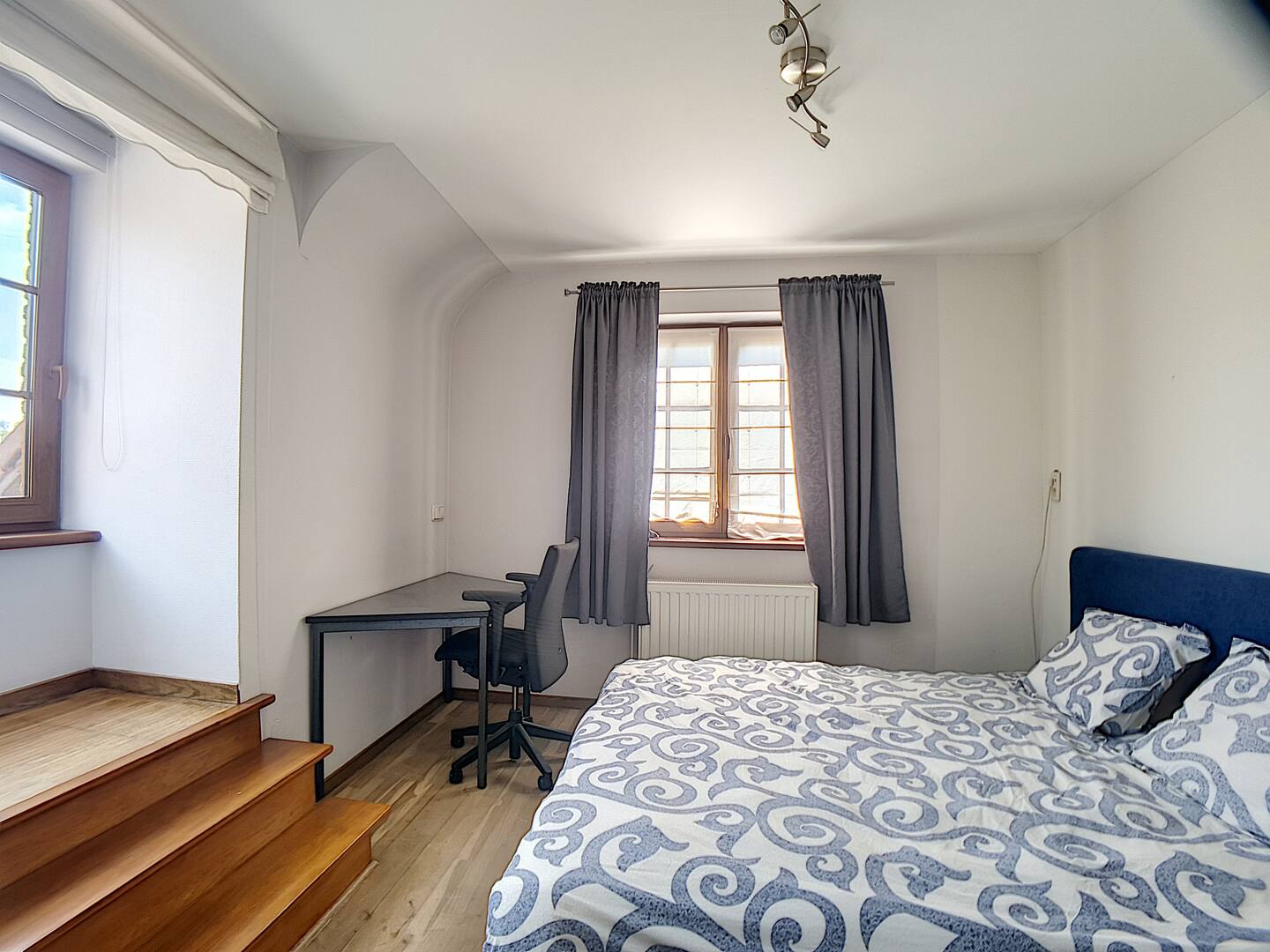
Hotels can work for brief individual trips. For teams of technicians, contractors, installers, or relocated employees, multiple hotel rooms often create higher costs, scattered logistics, and unnecessary administration. A furnished house or apartment designed for group occupancy offers a more workable base: private sleeping space, shared living areas, equipped kitchens, Wi-Fi, utilities, and one company invoice.
Start With the Team's Operational Requirements
The right accommodation begins with accurate information. Before requesting availability, define the number of people, expected arrival date, expected departure date, work location, and shift pattern. A team working early starts, rotating shifts, or long industrial days has different needs from a group attending office training.
Capacity is not only about the total number of occupants. Ask how many bedrooms and beds are available, whether the property is suitable for colleagues sharing, and whether the layout gives people enough privacy after work. A house for 10 people may be ideal for one team and unsuitable for another if it has too few sleeping rooms or limited bathroom facilities.
Location should be assessed against the daily route, not just the city name. A lower rental rate can lose its value if the team spends excessive time commuting or has difficult access to the project site. Consider parking for vans and work vehicles, public transportation options, main road access, and nearby grocery stores. For teams staying several months, these details directly affect attendance, comfort, and daily expenses.
Clarify the Length of Stay Early
Corporate housing is usually most effective when the assignment lasts at least a month. Medium-term furnished rentals can support stays of one month, six months, 12 months, or longer, depending on the project and contract terms.
Be realistic about possible extensions. Construction schedules, commissioning work, staffing changes, and client approvals can all move an end date. A provider that can discuss flexible terms from the beginning gives your company more room to respond without moving the whole team unnecessarily.
What a Furnished Home Should Include
A furnished home should be ready for work teams from day one. This means more than a bed and a table. Employees should be able to arrive with their personal luggage, shop for food, and settle in without waiting for furniture, internet installation, or utility activation.
At a minimum, confirm that the property includes furnished bedrooms, an equipped kitchen, living and dining space, heating, utilities, and reliable high-speed Wi-Fi. Laundry access is also a practical requirement for teams on extended assignments. For international workers, Wi-Fi and a functional kitchen are often central to maintaining a normal routine away from home.
Ask what is included in the quoted rate and what may be billed separately. An all-inclusive offer makes budget control easier because rent, utilities, internet, and furnishings are handled as one defined monthly cost. If costs are variable, request clarity on utility limits, deposits, cleaning arrangements, and any charges related to extra occupants or extended stays.
A cheaper property is not always the lower-cost option. If your company must arrange internet, buy household equipment, coordinate utility accounts, or reimburse employees for daily hotel meals, the administrative and operational cost can quickly exceed the apparent saving.
Source Furnished Homes for Teams by Capacity, Not Just Price
When comparing options, price per property can be misleading. Evaluate the total cost per person, the number of suitable beds, the included services, and the time your staff will spend managing the arrangement.
For example, booking eight separate hotel rooms may give each employee privacy, but it also creates eight reservations, changing availability, separate meals, and a less stable setup for a long project. A furnished property for eight people can provide one address, a shared kitchen, common space, and a predictable monthly invoice.
That said, one large house is not always the best answer. Teams with senior managers, mixed groups, or employees on different schedules may benefit from two smaller nearby properties. The correct structure depends on the team, project duration, local availability, and company policy. The objective is not to place the maximum number of people in one property. It is to provide accommodation that supports reliable work and reasonable living conditions.
Check the Property for Group Living
Group housing should be assessed differently from a short-stay apartment. Confirm the practical details before making a decision:
- Number of bedrooms, beds, bathrooms, and toilets
- Kitchen size, appliances, cookware, and dining capacity
- Wi-Fi quality and mobile coverage
- Parking availability for company vehicles or personal cars
- Laundry facilities and storage space
- House rules, cleaning expectations, and smoking policy
These points reduce avoidable issues after arrival. A property may look suitable in photos but still create friction if there is limited refrigerator space, insufficient parking, or no practical area for workers to eat and rest together.
Make Administration Part of the Selection Process
Accommodation sourcing is often handled by operations, HR, procurement, or a site manager. Each department needs something slightly different. Operations needs speed and site access. HR needs employee welfare and clear occupancy information. Procurement needs comparable costs and defined terms. Finance needs compliant company invoicing.
A professional housing provider should make this process easier, not add another layer of coordination. Look for a clear quotation that states the property location, capacity, monthly rate, included services, rental period, deposit requirements, and payment terms. Company invoicing should be available without asking individual employees to pay and claim expenses back.
For companies based outside Belgium, a responsive contact person is especially valuable. Questions about local rental practices, arrival arrangements, utilities, and documentation are easier to resolve before the team travels. Multilingual communication can prevent misunderstandings when project managers and workers are coordinating across borders.
Move Quickly Without Skipping Due Diligence
Fast availability matters when a project timetable changes. However, speed should not mean accepting vague terms or incomplete information. A good request for accommodation includes the exact headcount, location radius, dates, budget range, vehicle needs, and any essential requirements such as separate rooms or laundry access.
Once a suitable option is presented, verify the occupancy setup, included costs, and check-in process. Ask who the team should contact if an issue arises after arrival. Clear responsibility matters when a boiler fails, Wi-Fi has a problem, or a project is extended at short notice.
Belga Promo provides fully furnished, equipped houses and apartments for professional teams in Belgium, with group capacities typically ranging from 6 to 16 people. This type of ready-to-live-in accommodation is designed for companies that need a practical alternative to managing multiple hotel bookings during medium-term assignments.
Plan for Arrival and Daily Use
The accommodation decision is only the first step. Give the team a simple arrival brief with the address, check-in contact, parking instructions, house rules, Wi-Fi details, and emergency information. For international teams, include practical guidance on local shopping, transportation, and waste collection if relevant.
Assign one on-site team contact to communicate non-urgent property questions. This helps prevent multiple employees from sending separate requests and gives the housing provider one clear point of contact. It also makes it easier to identify whether an issue affects one person or the full property.
The best corporate housing arrangement is usually quiet in the background. Workers have a clean, functional place to rest and prepare for the next shift, while the company has predictable costs and one clear accommodation process. Start with the operational facts, confirm what is included, and choose housing that can support the team for the full length of the assignment.