A single lease means your company rents one property, or a small number of properties, under one contract to house a whole team. Individual bookings means each worker gets their own room or unit, booked separately, usually through hotels, aparthotels or short-stay platforms. For teams of four or more staying a month or longer in Belgium, a single lease usually wins on cost predictability, administration and team logistics.
Individual bookings still make sense in specific cases: very short stays, one or two travellers, constantly changing headcounts, or people working at different sites. The rest of this guide walks through the decision criteria, realistic scenarios and the questions to ask before you commit to either model.
What each model really involves
The two approaches look similar on a planning spreadsheet — everyone gets a bed — but they create very different workloads for HR, operations and finance.
Single lease
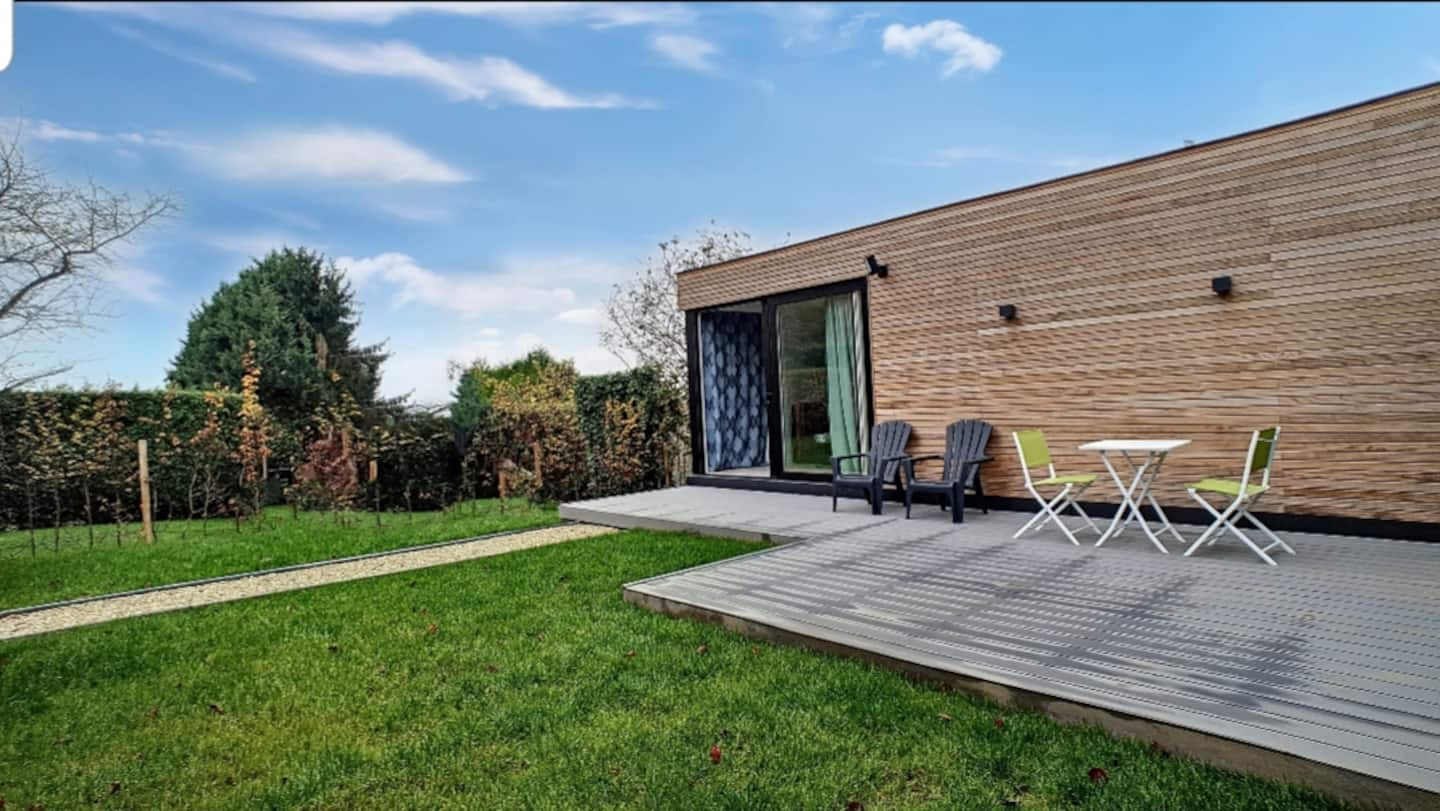
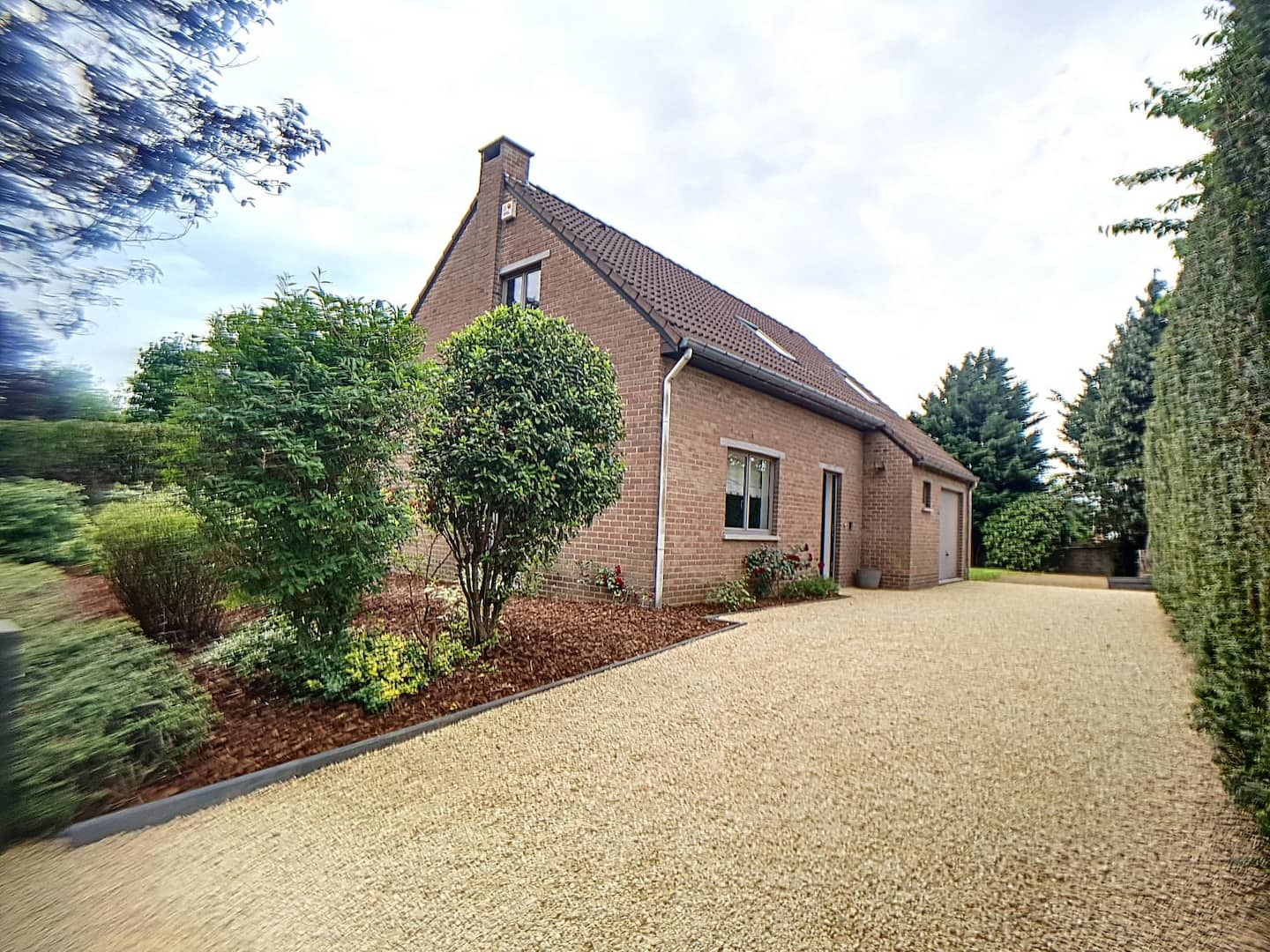
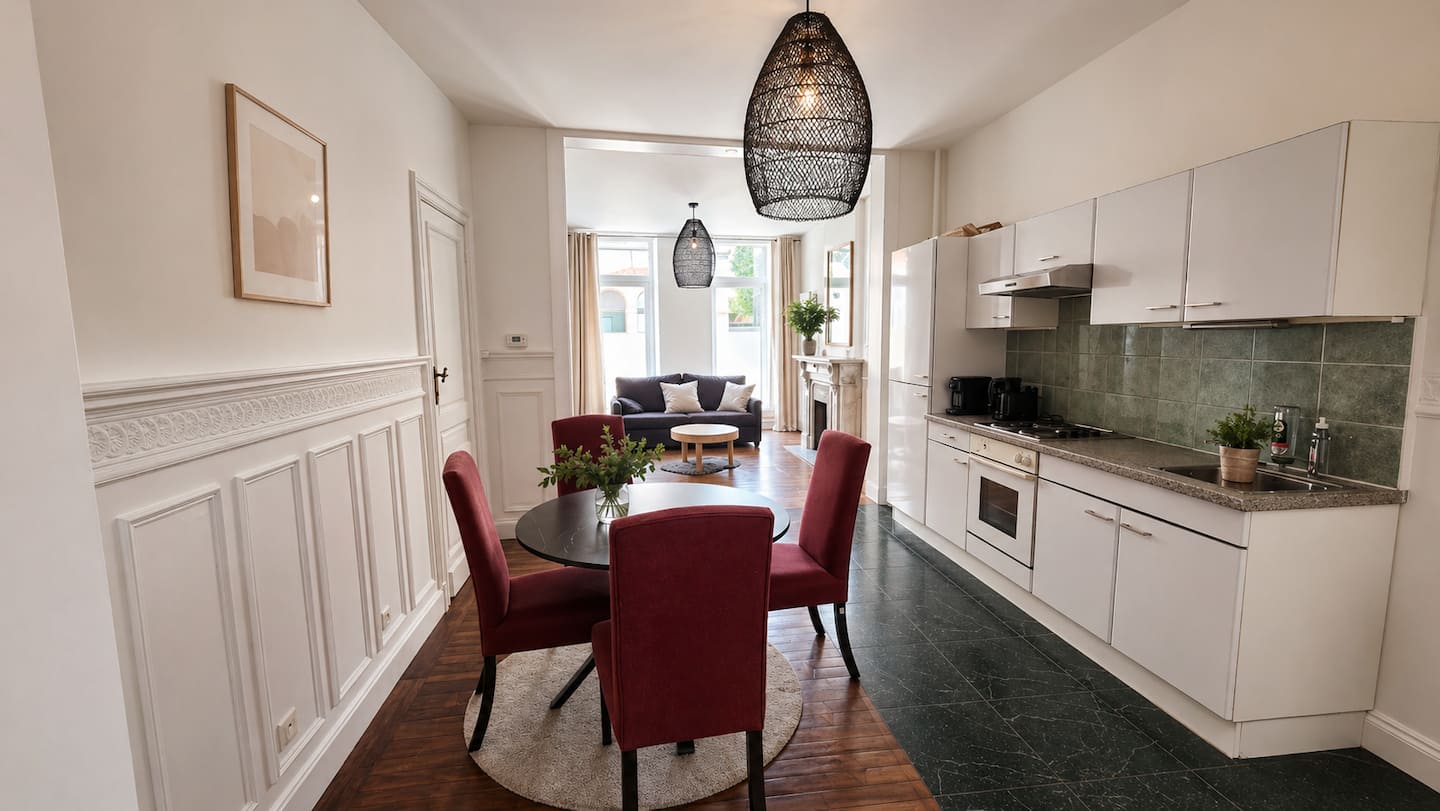
Under a single lease, the company is typically the contracting party. You rent a furnished house or apartment sized for the group, and the team shares common areas such as the kitchen, living room and laundry while keeping their own bedrooms. You deal with one provider, one contract, one key handover process and, in most cases, one recurring invoice.
This model works best when the team arrives together, works at the same site and stays for a defined period, such as an industrial project, a plant shutdown, a commissioning phase or a long client assignment.
Individual bookings
With individual bookings, each person has their own reservation. That might be a block of hotel rooms, a handful of studios in different buildings, or a mix of whatever was available when the team was being organised. Each booking has its own confirmation, its own cancellation rules and often its own invoice or expense claim.
This model is flexible at the level of each person, but the company carries the effort of coordinating everything. If you want a deeper look at the hotel side specifically, our comparison of crew housing versus hotel blocks covers that in detail.
Side-by-side comparison
The table below summarises how the two models typically compare for a team staying one month or more. Your own situation may shift some of these points, but it is a useful starting framework.
| Criterion | Single lease | Individual bookings |
|---|---|---|
| Budget predictability | High: fixed recurring rent | Variable: rates can change per booking and per period |
| Administration | One contract, one invoice | Many reservations, invoices or expense claims |
| Flexibility per person | Lower: capacity is fixed | Higher: add or drop one person at a time |
| Team cohesion | Team lives together, shared meals and transport | Team scattered across rooms or buildings |
| Cooking and daily living | Full kitchen, laundry, living space | Often limited or no kitchen |
| Best fit | Stable teams, 1 month to 12+ months | Short stays, 1–2 people, unpredictable rosters |
When a single lease is the better choice
A single lease tends to pay off when stability outweighs the need for per-person flexibility. Look for these signals in your project:
- The team is four people or more and works at the same site or nearby sites.
- The stay is at least a month, with a reasonably clear end date or rolling extensions.
- Arrival dates are grouped, even if not identical.
- Finance wants a fixed monthly figure rather than a forecast that drifts every week.
- The team needs to cook, wash workwear and rest properly after long shifts.
- Parking and shared transport matter, so living under one roof simplifies carpooling to site.
Why the admin savings add up
The most underestimated benefit of a single lease is not the rent; it is the time saved. One contract replaces a dozen reservation confirmations. One invoice replaces a stack of hotel folios or employee reimbursements that each need checking, coding and approving. If invoice handling is a pain point for your finance team, our guide on how to consolidate lodging invoices for projects explains how to structure this cleanly.
Why budget stability matters
With a single lease, the housing cost is known in advance for each month. With individual bookings, rates may vary by season, local events or simple availability, and extra charges can appear per person. For project managers who report against a fixed budget, that difference is significant. We explore this trade-off further in fixed rent versus variable lodging costs.
When individual bookings still make sense
A single lease is not the right answer for every situation. Individual bookings are often more practical when:
- Only one or two people travel, and a shared house would be oversized.
- The stay is a few nights or a couple of weeks, below typical minimum lease durations.
- Headcount changes almost weekly, with people rotating in and out unpredictably.
- Workers are spread across distant sites, for example one in Antwerp and another near Liège, so a central house would create long commutes.
- Seniority or privacy requirements mean certain staff, such as visiting executives, expect a private unit.
In these cases, the flexibility of booking per person outweighs the coordination effort. The key is to recognise when a project has moved out of this category. A two-week pilot that turns into a six-month deployment is a classic moment to switch models.
Realistic scenarios from Belgian projects
The right choice usually becomes obvious once you map it against a real situation. Here are three common patterns.
Scenario 1: Eight technicians on a four-month industrial project
A maintenance contractor sends eight technicians to an industrial site near Feluy for four months. Booking eight hotel rooms means eight reservations, eight sets of check-ins, daily restaurant meals and separate transport to site. A single lease on a furnished house with enough bedrooms puts the whole team under one roof, with a kitchen, laundry facilities and parking for shared vehicles. One contract, one monthly invoice, and the site manager knows exactly where everyone is.
Verdict: single lease.
Scenario 2: One engineer for ten days
A specialist flies in to calibrate equipment for ten days. A multi-bedroom house would be oversized, and a medium-stay lease probably exceeds the need. An individual hotel or aparthotel booking is simpler.
Verdict: individual booking.
Scenario 3: A core team plus rotating specialists
A relocation project near Waterloo has five permanent team members for nine months, plus specialists who visit for a week at a time. The most efficient setup is often a hybrid: a single lease for the core team and individual bookings for short visitors, or a property with one or two spare bedrooms that can absorb visitors when needed.
Verdict: single lease for the core, individual bookings at the edges.
Decision checklist before you commit
Before choosing, work through these questions with HR, operations and procurement. They take less than an hour and prevent most housing problems later.
About the team
- How many people need housing, and how confident are you in that number?
- Do they arrive together or in waves?
- Are they comfortable sharing common areas while having their own bedroom?
- Will they need parking for vans or personal vehicles?
About the duration
- Is the stay at least one month?
- How likely is an extension, and how much notice will you get?
- Is there a risk of early termination if the project is cut short?
About the property
- How far is it from the work site, in real rush-hour travel time?
- What exactly is included: furniture, kitchen equipment, Wi-Fi, utilities, bedding?
- Is there one contract and one invoice addressed to the company?
About the contract
- What are the minimum duration and notice periods?
- How are extensions handled?
- Can capacity be adjusted, or should you size in a spare bedroom from the start?
Extensions deserve particular attention, because projects in Belgium frequently overrun their initial schedule. Our article on rental extension policies for company team housing lists the clauses worth clarifying before you sign.
Making a single lease work smoothly
If the checklist points towards a single lease, a few practical habits make the arrangement run without friction.
Size the property correctly
Match bedrooms to the realistic peak headcount, not the optimistic minimum. One spare bedroom is often cheaper and simpler than scrambling for an extra hotel room mid-project. Providers offering properties for 2 to 16 people make it easier to find a close fit.
Confirm what is included in writing
An all-inclusive setup avoids the hidden admin of setting up utilities, internet or buying kitchen equipment. At Belgapromo, for example, homes come fully furnished with equipped kitchens, high-speed Wi-Fi and utilities bundled into the rental; you can see the detail on what is included in our housing. Whatever provider you use, get the inclusions in writing so nobody is surprised on arrival.
Agree house rules early
Shared living works best when expectations are clear from day one. A short set of rules on noise, shared cleaning tasks among the occupants, guests and parking prevents most friction. Appoint one team member as the contact for the property so issues are reported quickly.
Choose the location around the work site
A single lease only saves money if the commute stays reasonable. Properties in places such as Nivelles, Feluy, Waterloo, Beersel or Lodelinsart near Charleroi sit within roughly 30 minutes of Brussels, Mons or Charleroi, which covers many industrial zones and business parks. Check the actual route to site at shift times before signing.
Ready to compare options for your team?
If your team is staying a month or longer and working from the same area, a single lease is usually the simpler, more predictable option, with individual bookings kept for short visits and one-off travellers. Belgapromo houses teams of 2 to 16 people in furnished, ready-to-live-in homes with flexible contracts and company invoicing.
Browse our furnished properties with live availability or request a quote with your team size, dates and work site location, and we will tell you which property fits.