A project team arriving in Belgium needs more than a place to sleep. It needs reliable Wi-Fi before the first shift, a kitchen after a long day, parking or practical transport access, and accommodation that remains workable when the assignment runs longer than planned. That is where the choice between crew housing versus hotel blocks becomes an operational decision, not simply a travel-booking task.
Hotel room blocks can be useful for short visits, training sessions, and uncertain arrival schedules. For teams staying several weeks or months, however, furnished corporate housing often provides better day-to-day conditions and a clearer cost structure. The right option depends on team size, location, duration, work pattern, and the level of support your company needs.
Crew Housing Versus Hotel Blocks: The Core Difference
A hotel block reserves a set number of individual rooms at one property, usually for a defined date range. Each employee has a private room and access to hotel services such as reception, housekeeping, and breakfast where available. This can be fast to arrange when people are arriving for a few nights or when dates are still changing.
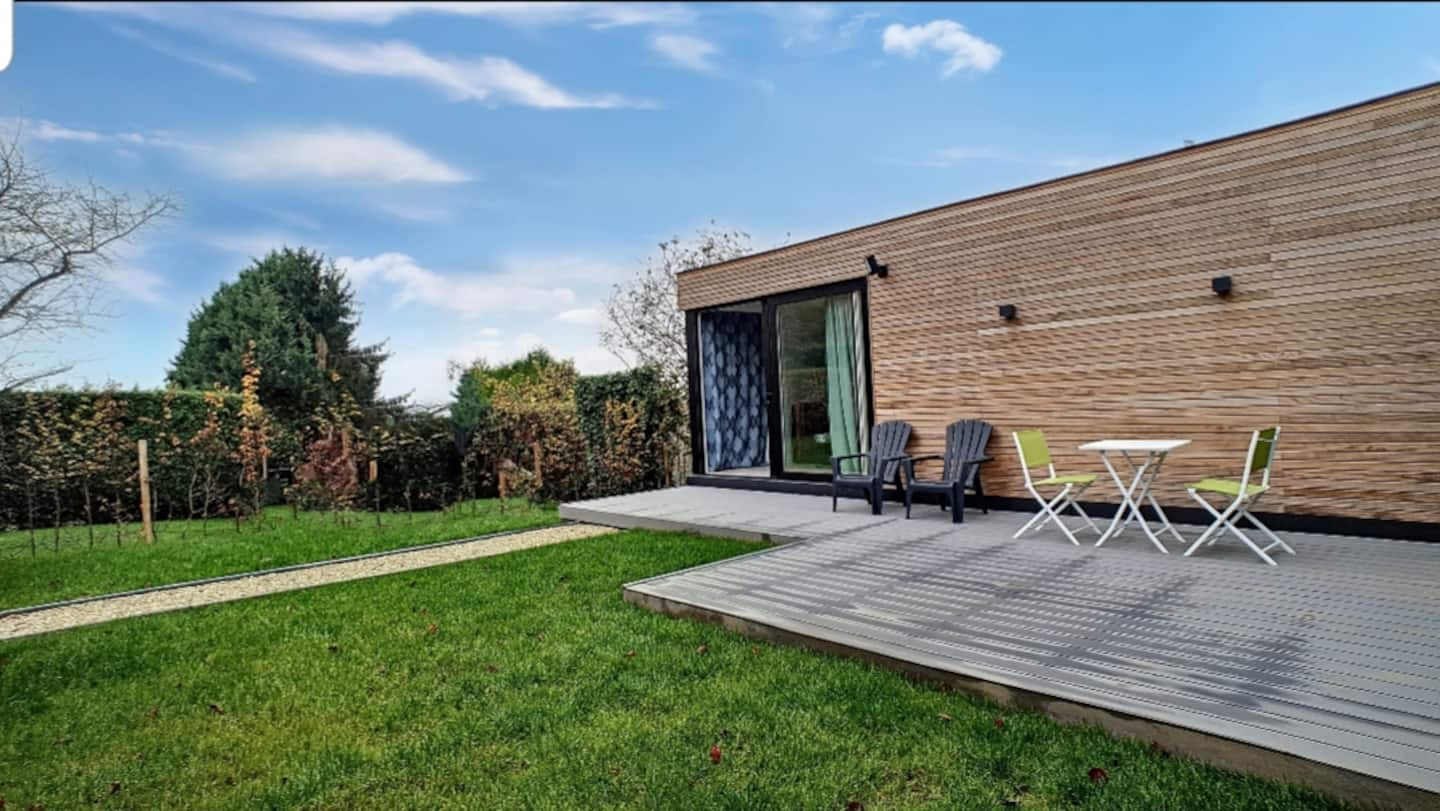
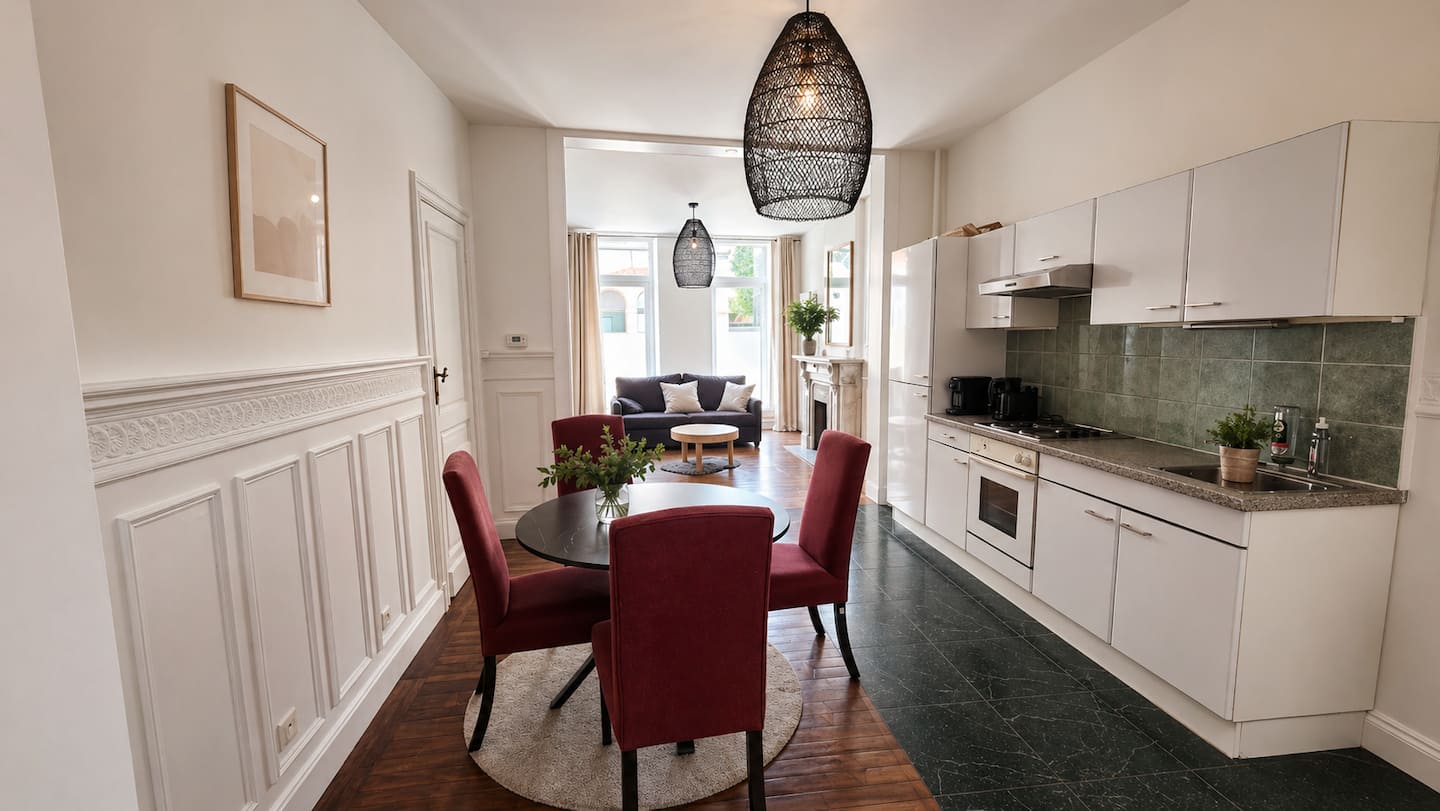
Crew housing is accommodation organized around a working group. A furnished house or apartment may accommodate six to 16 people, with bedrooms, shared living space, an equipped kitchen, Wi-Fi, and utilities included. It is intended to function as a temporary home base rather than an overnight stay.
The difference matters because project teams use accommodation differently from typical business travelers. Technicians and contractors may work early shifts, rotate schedules, need to prepare meals outside restaurant hours, and stay near a site for months. A series of hotel rooms can meet the basic requirement, but it may not be the most practical arrangement over time.
When Hotel Blocks Make Sense
Hotel blocks are a sensible choice when speed and short-term flexibility are the priority. If a team is in town for a two-day meeting, a site inspection, or a brief intervention, individual rooms reduce planning time. Employees can check in separately, and a hotel may offer a central location close to a station, airport, or city-center office.
They can also work well when privacy is the main concern. Each person has a separate room, and daily housekeeping may be valued by senior visitors or client-facing staff. For a small group with a stay of only a few nights, the higher nightly cost may be acceptable because there is little need to establish a household routine.
There are limits. Availability can change quickly during trade fairs, holidays, and major local events. A hotel may not be able to keep a full block together for an extended period, particularly if dates shift. Room rates can also vary by night, making longer project budgets harder to forecast.
Why Crew Housing Often Fits Longer Assignments
For teams on medium-term deployments, the practical value of crew housing comes from having space to live normally outside work. An equipped kitchen gives workers a realistic alternative to restaurant meals every day. A living room allows colleagues to decompress without gathering in a lobby or sitting alone in separate rooms. Laundry facilities can reduce the need for hotel laundry services or repeated trips to laundromats.
This setup is especially relevant for industrial projects, construction work, maintenance shutdowns, relocations, and contract assignments. When employees are away for one month or longer, the accommodation affects morale, routines, and retention. A comfortable, functional property can make a demanding assignment easier to sustain.
Corporate housing also concentrates the group in one location. That can simplify transport planning, shift coordination, and communication with the site manager. It does not mean every team should share a property. The arrangement must match the size of the group, employee expectations, and available bedroom configuration. But for a crew that already works together, shared housing is often a natural fit.
Compare the Full Cost, Not the Nightly Rate
The hotel-versus-housing decision should not be based only on the advertised price of one room or one property. Companies should compare the total operating cost over the full assignment.
With a hotel block, the room rate may exclude expenses that build up over time: restaurant meals, laundry, parking, extended-stay charges, and changing rates on high-demand dates. Multiple individual reservations can also create extra work for the person responsible for travel or procurement.
A furnished corporate rental is commonly priced as an all-inclusive monthly solution. Furniture, utilities, high-speed Wi-Fi, kitchen equipment, and the basic setup required for immediate occupancy are included in one arrangement. This makes budgeting more predictable, particularly when the stay lasts several months.
The calculation is not always one-sided. A hotel may be more cost-effective for a very short stay, while a larger house may be inefficient if only two people will use it. The useful question is not which option is cheaper in general. It is which option delivers the required living conditions and administration at the lowest total cost for this particular team and timeline.
Administration Can Become the Deciding Factor
A group of 10 employees booked across hotel rooms creates 10 individual stays to monitor. Arrival names may change, invoices may be split, and extensions can require new confirmations. For a project manager already managing equipment, access permits, scheduling, and site safety, accommodation administration should not become another daily problem.
Crew housing is generally arranged under one company agreement for the group. A single invoice, defined rental period, and clearly stated inclusions reduce the number of moving parts. This is particularly useful for companies sending teams from outside Belgium, where local accommodation options and billing practices may be unfamiliar.
Flexibility still needs to be discussed before booking. Ask what happens if the project is delayed, the crew size changes, or a replacement worker arrives. A practical provider will explain the rental terms, availability, and any notice requirements clearly rather than treating them as an afterthought.
Comfort Is Also a Worksite Consideration
Accommodation quality has a direct effect on whether workers arrive rested and prepared. This is not about luxury. It is about reliable basics: proper beds, sufficient bathrooms for the group, heating, Wi-Fi that supports communication, and enough kitchen and storage space for daily use.
Location should be assessed in the same practical way. A property close to the worksite may reduce commuting time and transport costs, but a slightly more distant property with parking, better road access, and suitable capacity can be the stronger choice. Consider shift hours as well. A location that works for a 9-to-5 office team may not be ideal for crews leaving before dawn or returning late.
Before confirming any group accommodation, check the bedroom layout, maximum occupancy, parking situation, transport connections, kitchen equipment, laundry access, internet availability, and distance to the project location. These details determine whether the property supports the team after the booking is made.
How to Choose the Right Arrangement
Start with the duration. For stays of a few nights, hotel rooms may offer the simplest solution. Once the assignment extends into weeks or months, compare furnished crew accommodation as a serious alternative rather than defaulting to hotel bookings.
Then look at the group as a whole. Count the expected workers, but also account for staggered arrivals, supervisors, possible replacements, and whether employees need separate bedrooms. Define the location based on the actual worksite, not only the nearest major city.
Finally, request a quote that states what is included. The most useful quote identifies the capacity, monthly price, utilities, Wi-Fi, furnishings, contract duration, and invoicing process. At Belga Promo, furnished houses and apartments are set up for professional teams needing ready-to-live-in accommodation in Belgium, with capacities designed for groups and rental periods starting from one month.
The best accommodation choice is the one that lets your team focus on the assignment rather than on where they will eat, wash clothes, park, connect to work systems, or sleep next week.