A rental extension policy sets out how and when you can keep a property beyond the original end date. It covers how much notice you must give, whether the same conditions still apply, and what happens if your needs change. For companies housing teams in Belgium, this is often the clause that matters most. Projects rarely end exactly on schedule, and a clear extension process is what stops a delay on site from becoming a housing crisis.
In practice, a good extension policy has five parts: a clear notice window, predictable pricing, room to extend in flexible increments, the option to change headcount, and paperwork that fits your company's approval and invoicing process. This guide explains what to look for in a provider's terms, how to set up your own internal process, and how to decide whether to extend, move or end a stay.
What a rental extension policy actually covers
Many people treat extensions as an informal favour: you call the landlord, ask for another month and hope the answer is yes. That can work for one person in one apartment. It does not scale to a crew of eight technicians, two houses and a project timeline that depends on a client's commissioning schedule.
A real extension policy, whether it is written into the contract or agreed in an annex, should answer these questions:
- When must the request be made, and in what form (email, signed annex, purchase order)?
- For how long can you extend: one month at a time, a fixed block, or open-ended?
- At what price, and is that price fixed, reviewable or tied to the original agreement?
- For whom: can you extend one property but not another, or reduce the number of occupants?
- What happens if the property is already reserved for another client after your end date?
If you want the wider legal and practical background on whether and how employers can prolong a housing arrangement, our article on whether employers can extend leases for employee housing covers that question in more depth. Here, the focus is on policy: the terms to look for and the internal routine that makes extensions predictable.
The clauses to check before you sign
The best time to negotiate an extension is before you need one. Once a team is settled and a project is running late, your leverage shrinks and your options narrow. Read these points carefully at contract stage.
Notice period for extensions
Check how far ahead you must confirm an extension. Some agreements set a clear deadline before the end date. Others stay vague, which sounds flexible but leaves you exposed if the property is re-let. A defined window is better, even if it seems strict, because both sides know where they stand.
Also check the reverse: how much notice you need to give if you want to end early, and whether early termination is possible at all.
Pricing on extension
Ask directly whether extending keeps the same monthly conditions or opens a renegotiation. Predictable extension pricing matters because overruns are usually unbudgeted. If a two-month extension comes with new terms, your project manager may need a fresh approval, and that takes time.
We do not quote rates here, but the principle is simple: you want to know the cost of an extension before you need it.
Extension increments
Monthly increments suit most industrial and technical projects, where end dates move in weeks rather than quarters. If you are on a longer relocation or a programme running past a year, a longer block may be easier to administer. Our medium stay rental guide for company teams explains how stay length affects the type of contract that fits best.
Headcount and partial extensions
Teams shrink and grow. A commissioning phase might need twelve people, while the handover phase needs four. Look for terms that allow you to:
- extend one property while releasing another;
- move a smaller group into a smaller unit, if available;
- change occupants (for example rotating technicians) without restarting the contract.
What stays included
Confirm that everything included in the original stay continues during the extension: furniture, equipped kitchen, Wi-Fi, utilities. It sounds obvious, but an extension should not quietly turn an all-inclusive stay into one where utilities are billed separately.
Building an internal extension process
Even the best contract fails if nobody inside your company owns the extension decision. HR assumes the site manager will flag it, the site manager assumes procurement is watching dates, and the deadline passes. A short internal routine solves this.
- Record every end date and notice deadline in one shared place, per property, not per employee.
- Assign an owner for each housing contract, usually the site or project manager, with procurement as backup.
- Set a review point comfortably before each notice deadline. At that point, the owner confirms the project's real expected end date.
- Pre-approve a buffer. Many companies approve housing for the planned duration plus a possible extension, so a short overrun does not need a new approval cycle.
- Confirm in writing with the provider, including dates, properties, occupants and invoicing details.
- Update the purchase order and cost centre so invoices for the extended period match your internal records.
The last step is where many extensions create friction. If the extension is agreed by phone but the purchase order still shows the old end date, invoices get blocked in accounts payable. Our guide to rental invoice management for corporate housing goes through how to keep housing invoices clean when contracts change mid-project.
Site managers juggling several crews can also use the approach in our article on accommodation planning for site managers, which covers how to align housing dates with project milestones.
Decision criteria: extend, move or end
When a review point arrives, there are usually three options. The right one depends less on price and more on disruption, timing and certainty.
| Situation | Usually best option | Why |
|---|---|---|
| Project delayed by a few weeks, same team | Extend current property | No moving, no new setup, no lost working days |
| Team size drops sharply for the final phase | Partial extension or move to smaller unit | Avoids paying for empty beds |
| End date still unclear | Short, monthly extension | Keeps flexibility while the schedule settles |
| Property not available after current end date | Plan a move early | Prevents a last-minute scramble |
| Project finished or cancelled | End on the notice date | Avoids unnecessary overlap |
A few questions help clarify the choice:
- How confident is the new end date? If the client keeps shifting milestones, choose a short increment and review again.
- What would moving cost in productivity? A move mid-project means packing, travel, new routines and often a lost day for each worker.
- Does the location still fit? If the work has moved to another site, extending in the same town may no longer make sense.
- Is the team stable? Rotating crews can usually stay in the same property as long as occupant changes are allowed.
Realistic scenarios for teams in Belgium
An industrial maintenance shutdown that runs over
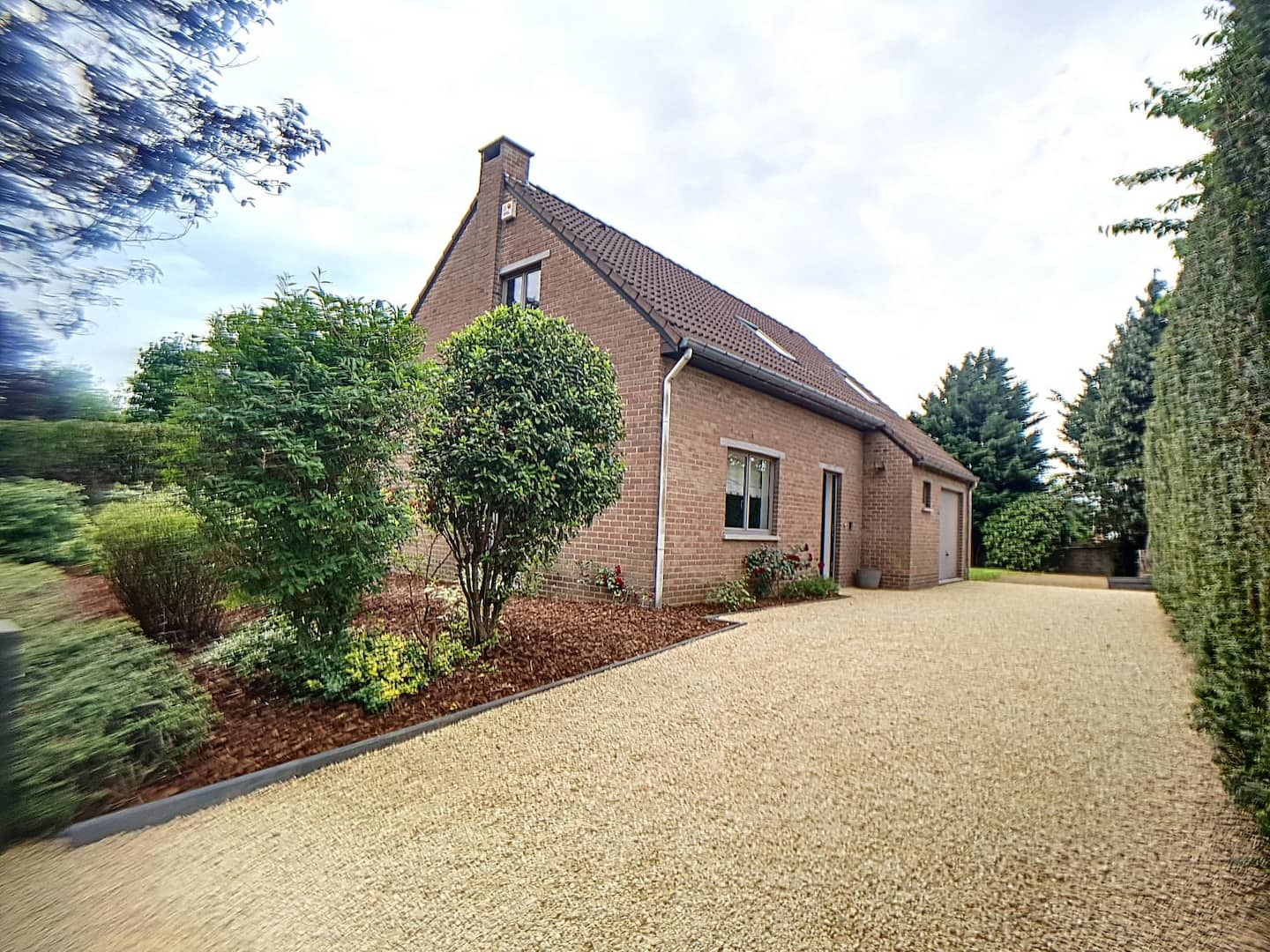
A contractor houses ten technicians in a house near Feluy for a planned two-month maintenance job. In week six, the client finds additional work and extends the scope by three weeks. Because the contract allows monthly extensions with a clear notice window, the site manager confirms one extra month by email, procurement updates the purchase order, and the team stays put. No one changes beds, and the work continues without interruption.
A relocation where families arrive late
A company relocates two managers to the Brussels area and houses them in a furnished apartment in Waterloo while they search for permanent homes. The housing search takes longer than expected. With an extension policy agreed at the start, HR can extend month by month until the permanent lease begins, instead of booking hotel nights at short notice.
A project team that shrinks in the final phase
An engineering firm runs a project near Charleroi with twelve people spread over two properties. For the last two months, only five people remain on site. The company extends one property and releases the other at the notice date. Agreeing this flexibility upfront meant the decision took a single conversation.
Scenarios like these are why flexibility is worth discussing before signing. Our article on flexible rental housing for businesses looks at how flexible terms support projects whose scope changes over time.
Common mistakes to avoid
Most extension problems come from timing and communication, not from the contract itself.
- Waiting for certainty. Project managers often delay the decision until the end date is confirmed. By then, the notice deadline may have passed. Make a provisional decision and adjust.
- Assuming verbal agreement is enough. Always confirm extensions in writing, with dates and properties named.
- Forgetting the invoicing side. An extension that is agreed but not reflected in your purchase order leads to blocked payments.
- Ignoring other bookings. Furnished group housing near busy industrial areas can be booked by other companies. If you might need more time, say so early.
- Treating legal questions as routine. Furnished business accommodation may follow different rules from standard residential leases, and these can vary by contract type and region. For legal questions about notice or renewal rights, ask a qualified adviser rather than relying on general assumptions.
At Belgapromo, contracts for team housing run from one month to twelve months or longer, and extensions are handled with the same company invoicing used for the original stay. You can see the overall process on our page about how renting with Belgapromo works.
Plan your next extension before you need it
A rental extension policy is only useful if it is clear, written down and matched by an internal routine that tracks dates. Check notice periods, pricing, increments and headcount flexibility before you sign, assign an owner for each contract, and pre-approve a buffer for likely overruns. That way, a schedule change on site stays a scheduling issue and does not become a housing problem.
If you are planning a project in Nivelles, Feluy, Waterloo, Beersel or Charleroi and want terms that leave room to extend, browse our furnished properties with live availability or request a quote. Belgapromo can talk through your expected dates and flexibility needs in French, Dutch, English or Spanish.