When a project starts in a new city, housing often becomes the first operational problem. Hotels are expensive for multi-week stays, standard leases are too rigid, and booking several apartments one by one creates unnecessary admin. Flexible rental housing for businesses solves that gap by giving companies ready-to-use accommodation that can be occupied quickly and managed with less effort.
For HR teams, site managers, and procurement leads, the real question is not just where employees will sleep. It is how to house people in a way that supports the job, controls cost, and avoids delays. That is why this model has become a practical option for employers managing relocations, industrial projects, maintenance shutdowns, training periods, and temporary workforce deployments.
What flexible rental housing for businesses actually means
Flexible rental housing for businesses is furnished accommodation rented on business-friendly terms for stays that usually last from one month to several months or longer. It sits between a hotel and a traditional residential lease. The company gets a place that is already set up for living, while avoiding the long commitments and setup work that usually come with standard housing.
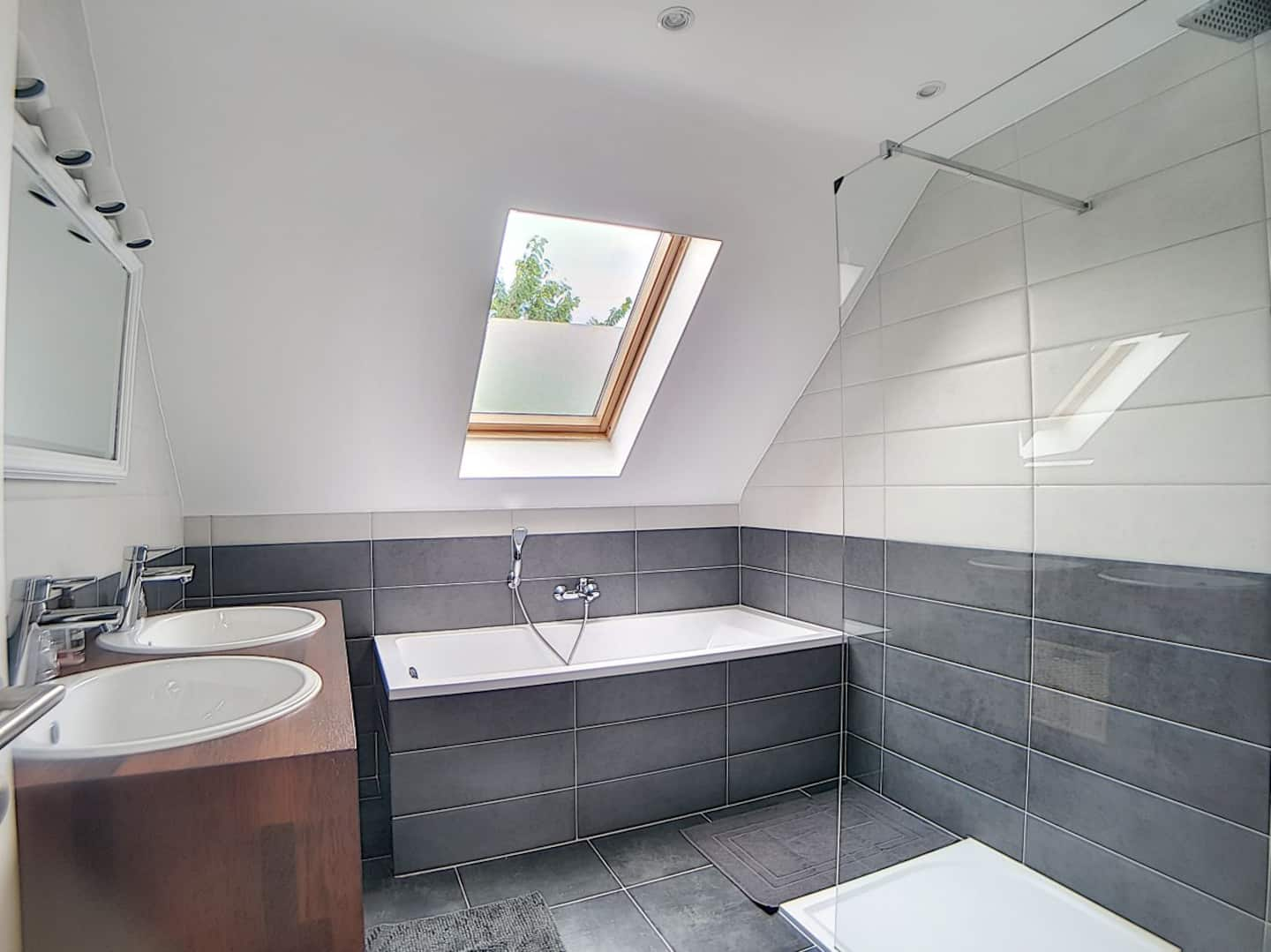
In practice, that means the property is ready from day one. Beds, furniture, kitchen equipment, Wi-Fi, and utilities are already in place. The billing is typically structured for a business customer rather than a private tenant, which matters when several employees rotate through the same accommodation over the course of a project.
This is especially relevant for employers housing technicians, contractors, engineers, and work crews. These teams do not need leisure travel amenities. They need clean, functional, well-located housing that supports rest, transport, and daily operations.
Why businesses are moving away from hotels for team stays
Hotels still make sense for short individual trips, especially for one or two nights. The economics change quickly when a company needs to place several people for weeks or months. At that point, the nightly rate is only part of the issue. The bigger problem is the operating model.
Multiple hotel rooms mean multiple bookings, limited living space, and little flexibility if the assignment gets extended. Staff members often have no proper kitchen, no shared common area, and no practical setup for longer stays. For employers, that can lead to higher meal costs, lower comfort, and more booking management.
Group housing changes the equation. A furnished house or apartment designed for business occupancy gives teams a more stable base. People can cook, rest, and live in a more normal routine. Managers get a single housing solution instead of a patchwork of reservations.
There is a trade-off, of course. Hotels may offer daily service and front-desk convenience. But for workforce housing, those features are not always worth the premium. It depends on the length of stay, the number of people, and how much flexibility the company needs.
The business case for flexible rental housing
The biggest advantage is cost control. When several employees stay together in a furnished property, the cost per person is often significantly lower than booking separate hotel rooms. That matters on long assignments, but it also matters on projects where lodging is one of the largest indirect costs.
The second advantage is speed. If a company has to mobilize a team quickly, there is little time to organize furniture delivery, utility activation, internet installation, and local setup. A ready-to-live-in property removes those steps. Teams can arrive and start work without losing time to housing logistics.
The third advantage is administrative simplicity. A business-friendly rental structure usually means one agreement, one invoice, and one point of contact. For operations and procurement teams, that is easier to approve and easier to monitor than handling scattered accommodation arrangements across several vendors.
There is also a workforce factor. Employees staying for several weeks need more than a bed. They need practical comfort. A proper kitchen, stable internet, laundry access, and enough space to decompress after work all make a difference. Better living conditions can improve morale and reduce friction on demanding assignments.
What to check before choosing flexible rental housing for businesses
Not every furnished rental is suitable for professional team use. Some are designed for tourists or individual travelers and do not hold up well when used by work crews or rotating employees. Before committing, companies should look at a few operational points.
Occupancy capacity and layout
A property may look large on paper but still be poorly arranged for shared living. Businesses should check how many people the unit can accommodate comfortably, how sleeping arrangements are organized, and whether common areas are practical for daily use. Capacity matters, but layout matters just as much.
Included services
The term all-inclusive can mean different things. For business housing, the basics should be clear: furniture, equipped kitchen, Wi-Fi, utilities, and business invoicing. If those items are not included, the apparent savings can disappear once extra setup costs are added.
Contract flexibility
This is one of the most important decision points. Some assignments run exactly as planned. Many do not. Projects get extended, staffing levels change, and deadlines shift. A company should understand how much notice is required, whether extensions are possible, and how the provider handles changing occupancy needs.
Location and access
A lower rental rate is not always the best deal if the team faces long daily travel times. Housing should be close to the worksite or offer easy access to major roads, industrial zones, or public transportation. Convenience affects punctuality, fuel costs, and employee fatigue.
Suitability for group occupancy
This is where specialized providers stand apart. Housing built around the needs of business teams is different from a standard furnished apartment. The right setup considers shared use, durability, and the realities of medium-term occupancy by workers rather than vacation guests.
When this model works best
Flexible rental housing is particularly effective when a company needs to place several people in Belgium for one month or more. It fits well for plant maintenance, construction support, shutdown projects, technical installations, training periods, relocations, and temporary regional expansion.
It also works well when teams need to be deployed quickly. In those cases, housing is not just a comfort issue. It is part of the project timeline. Delays in accommodation can delay site readiness, onboarding, and start-of-work schedules.
For smaller executive relocations, the ideal setup may be different. Senior staff relocating with family may need a more private, customized housing solution. That is a good example of where it depends. The best option is shaped by occupancy profile, assignment length, and budget priorities.
Why Belgium often requires a practical housing approach
Companies sending teams into Belgium often need accommodation across different regions and for varying project lengths. That can create pressure on logistics, especially for foreign employers who are not familiar with the local rental market. Traditional residential leases may require more paperwork, longer commitments, and more local coordination than a project team can realistically manage.
A business-ready furnished rental reduces that complexity. Instead of building a housing solution from several moving parts, the company secures accommodation that is already equipped for immediate use. That is often the difference between a workable deployment and a time-consuming one.
For employers that need housing for 6 to 16 people, the challenge becomes even more specific. Group occupancy is harder to arrange through standard channels. Providers focused on corporate accommodation can often respond faster because their inventory and contract model are already built around this need. That is where a specialist such as Belga Promo can make the process more predictable.
A smarter way to support projects and people
The best housing decision is usually the one that reduces friction across the entire assignment. Flexible rental housing for businesses does that by combining speed, cost visibility, and practical comfort in one operating solution. It is not about luxury. It is about giving teams a place that works from the first day and continues to work as the project changes.
If your business regularly places employees for medium-term stays, housing should be treated as part of operations, not as a last-minute travel task. The right setup helps people settle faster, helps managers spend less time on admin, and keeps the focus where it belongs - on the work itself.