A project team arrives in Belgium on Monday, work starts Tuesday, and the site manager still needs beds, kitchens, Wi-Fi, parking, and one invoice that accounting can process. That is the operational problem corporate housing is built to solve. So, what is corporate team housing? It is furnished, ready-to-live-in accommodation rented by a company for several employees who need to stay near a worksite for weeks or months.
Unlike a standard business trip, team housing is planned around the needs of a group. It gives technicians, contractors, engineers, and relocated employees a practical base with the space and facilities needed for daily life, while giving the employer better control of cost and administration.
What is corporate team housing in practice?
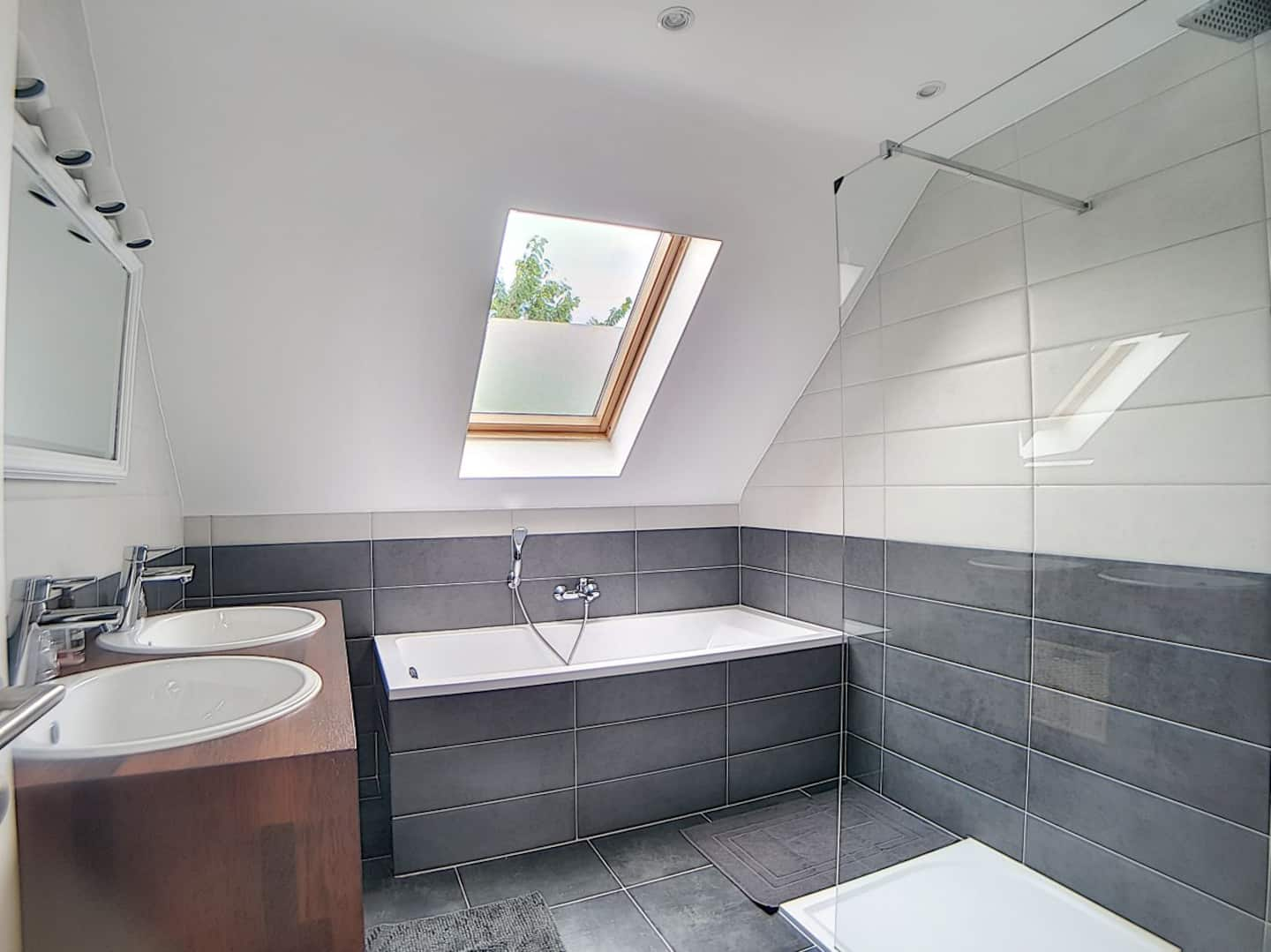
Corporate team housing is a medium- or long-term rental arrangement where a company secures a furnished house or apartment for its workforce. The accommodation is prepared for immediate occupancy and typically includes bedrooms, furniture, an equipped kitchen, living space, utilities, and high-speed Wi-Fi.
For companies deploying six, ten, or even sixteen people, this is often more suitable than booking separate hotel rooms. Team members can live close to one another, prepare meals, rest in a more residential setting, and maintain a workable routine outside of site hours. The company receives accommodation designed for professional occupancy rather than leisure travel.
The arrangement is particularly relevant when the assignment lasts longer than a few nights. A hotel may be useful for a short visit, an interview, or an unexpected overnight stay. Once a project runs for a month or more, however, the daily room rate, individual bookings, meal expenses, and changing availability can create unnecessary pressure on the budget and the operations team.
How corporate housing differs from a hotel
The key difference is not simply that one option has a kitchen. Corporate housing is structured as a business accommodation solution for a defined group and a defined period.
Hotels generally price by room and night. They may offer convenience for short stays, but housing a full crew often means managing multiple reservations, different room types, laundry needs, parking, and frequent expenses. The team is also spread across separate rooms with limited shared living space.
A corporate house or apartment is rented as a complete unit or group accommodation. This supports a more predictable monthly cost and gives employees access to common areas where they can eat, relax, and organize their personal time. For workers on demanding shifts or long assignments, that difference affects comfort and retention as much as convenience.
There are trade-offs. Hotels may provide daily housekeeping, a staffed reception, and central locations that suit short individual travel. Corporate housing is usually the stronger option when a team needs privacy, practical living facilities, and a stable base near an industrial site, logistics hub, or client location.
What is included in a corporate team housing rental?
The exact package depends on the property and provider, but a genuine turnkey corporate rental should remove the need for employees to set up a household on arrival. At Belga Promo, group accommodation is designed around that requirement: employees arrive to a space that is already furnished, equipped, and ready for use.
A typical corporate team housing package includes furnished bedrooms and living areas, an equipped kitchen, appliances, cookware and basic household equipment, high-speed Wi-Fi, and utilities. Rather than asking a project manager to arrange electricity, internet, furniture delivery, and multiple service accounts, these items are handled as part of the accommodation offer.
This matters most when a company is mobilizing quickly. A contractor that wins a new project cannot always wait weeks for unfurnished rentals to become usable. Ready-to-live-in housing reduces the time between confirming a location and placing people on site.
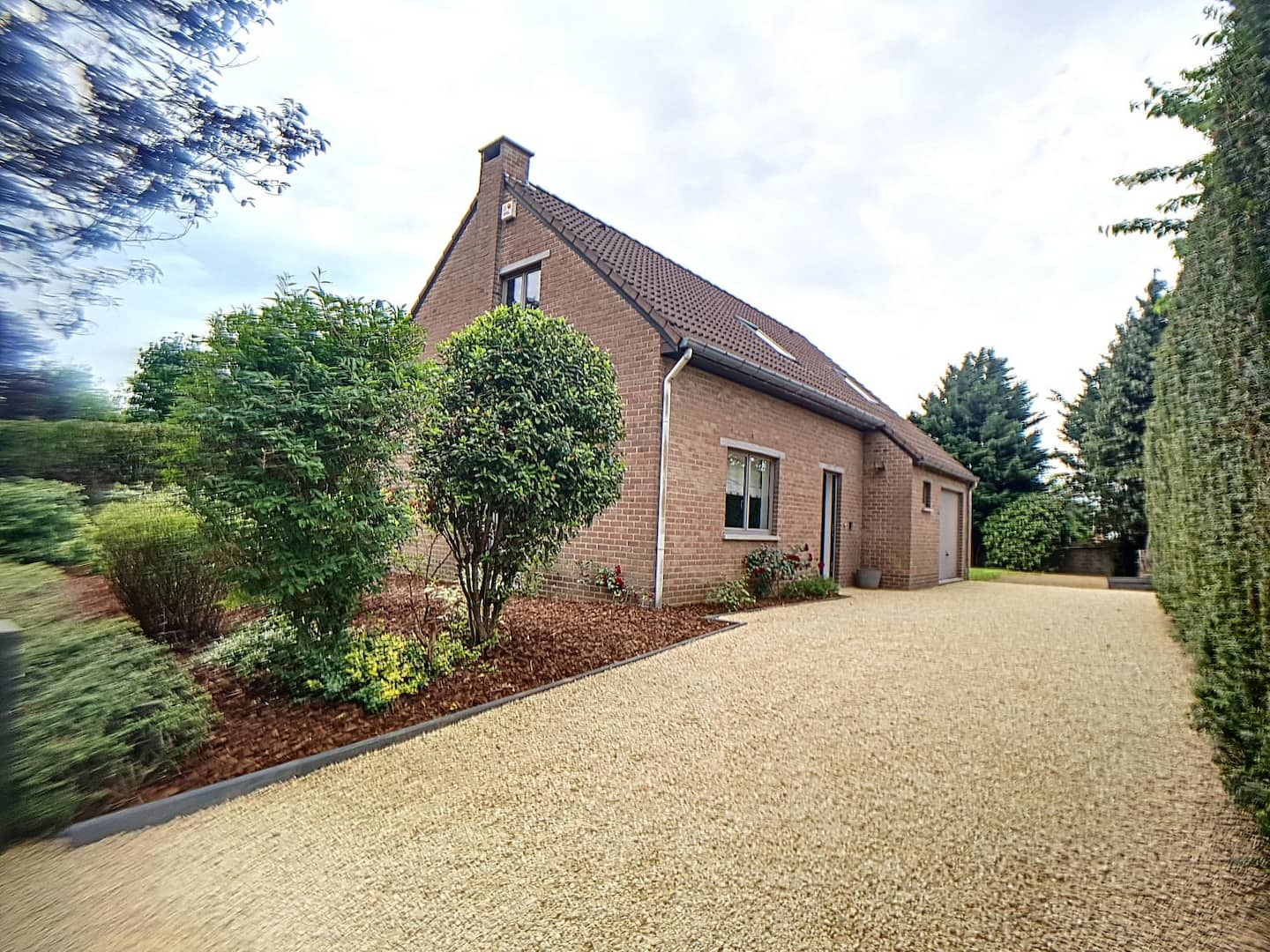
Companies should still confirm the details before booking. Ask how many people the property can accommodate, whether bedrooms are shared or private, what parking is available, how utilities are handled, and whether the layout suits the team's working pattern. A group of day-shift technicians may have different needs from a crew working alternating nights.
Who uses corporate housing for teams?
Corporate team housing is used across industries where people need to work away from their usual home base. Construction companies use it for crews assigned to a new build or infrastructure project. Industrial and maintenance businesses use it for shutdowns, installations, and technical interventions. Logistics, manufacturing, engineering, and energy companies use it when a skilled workforce must remain close to a site for an extended period.
It also supports employee relocations. An employer may need temporary accommodation while a new hire searches for permanent housing, while a family transition is underway, or while an overseas employee completes local paperwork. In these cases, a furnished rental provides a stable landing point without committing the employee to a long-term personal lease immediately.
For international companies, the benefit is especially clear. A team arriving from abroad may not know the local rental market, utility process, or language requirements. A corporate housing provider can offer a clear point of contact, a company-ready invoice, and an accommodation option suited to the length and scale of the assignment.
When does team housing make financial sense?
Corporate housing is usually most cost-effective for stays of one month or longer, especially when several employees need accommodation in the same area. The comparison should go beyond the advertised nightly hotel rate.
A realistic lodging budget includes rooms, meals, laundry, parking, internet, local transportation, booking administration, and the time staff spend solving issues. A furnished house with a kitchen can reduce daily meal costs. A single group booking can reduce administrative work. An all-inclusive monthly structure can make forecasting easier than managing a stream of changing hotel charges.
The right choice depends on occupancy. If only one person is traveling for a few days, a hotel may be the simpler answer. If a team of six to sixteen people will work in Belgium for several months, shared furnished accommodation can provide a substantially better balance of cost, comfort, and control.
Companies should also avoid choosing solely on the lowest headline price. A cheaper property far from the worksite may increase travel time, fuel costs, and fatigue. An accommodation without reliable internet or enough parking can create daily friction. The best value is the option that supports the project schedule and reduces problems for both workers and coordinators.
What to check before arranging corporate team housing
Before requesting a quote, define the operational basics: the number of occupants, arrival and departure dates, project location, vehicle requirements, and any shift patterns. This helps the provider identify properties that fit rather than offering generic accommodation.
Capacity deserves close attention. A property that sleeps eight people may not necessarily offer the bedroom arrangement your employees expect. Clarify whether the team is comfortable with shared rooms, how many bathrooms are available, and whether communal spaces are sufficient for the group.
Contract flexibility is another decision point. Project dates can move because of permits, weather, supply delays, or client changes. Ask how extensions work, what notice is required, and how early departures are handled. A flexible rental structure can be more valuable than a slightly lower rate with restrictive terms.
Finally, confirm the billing process. Corporate accommodation should allow invoicing to the company, with clear terms and a transparent description of what is included. Procurement and finance teams need documentation they can approve without chasing individual employee receipts.
Why worker comfort is an operational issue
Accommodation is not just a line item in a project budget. Employees who work long hours need a place where they can cook, sleep properly, do laundry, and separate work from downtime. When housing is cramped, poorly located, or unreliable, the effects appear in morale, punctuality, and turnover.
A well-chosen corporate rental gives teams a more normal living arrangement during a temporary assignment. It can also reduce the burden on site managers, who should be focused on safety, schedules, and delivery rather than resolving daily accommodation complaints.
For companies placing teams in Belgium, the practical next step is to match the property to the assignment, not simply the headcount. Share the team size, location, dates, and work requirements early. That makes it easier to secure a ready-to-live-in base that keeps people comfortable and the project moving.