Booking ten hotel rooms for a six-week project usually looks easy on day one. By week two, it starts creating the same problems every operations and HR team knows too well - scattered staff, rising costs, daily meal spending, and too much admin for a stay that was never really a short trip. That is why many companies now look for a hotel alternative for employees that fits the reality of project-based work.
For business travel lasting more than a few nights, hotels are often the wrong product. They are built for short stays, individual guests, and limited living space. Employers arranging housing for technicians, contractors, relocation cases, or mobile teams usually need something else: furnished accommodation that is ready immediately, practical for group occupancy, and easier to manage over several weeks or months.
Why a hotel alternative for employees makes more sense
The main issue is not just room price. It is the full operating cost of putting workers in hotels for medium-term stays. A hotel may appear flexible, but the total spend expands quickly when you multiply nightly rates by several employees, add food costs, parking, laundry, and the time your team spends managing separate bookings and changes.
A proper hotel alternative for employees works differently. Instead of booking individual rooms, companies place staff in fully furnished houses or apartments designed for professional occupancy. The accommodation is already equipped, utilities are included, Wi-Fi is active, and the property is ready to live in from the first day. That changes the math.
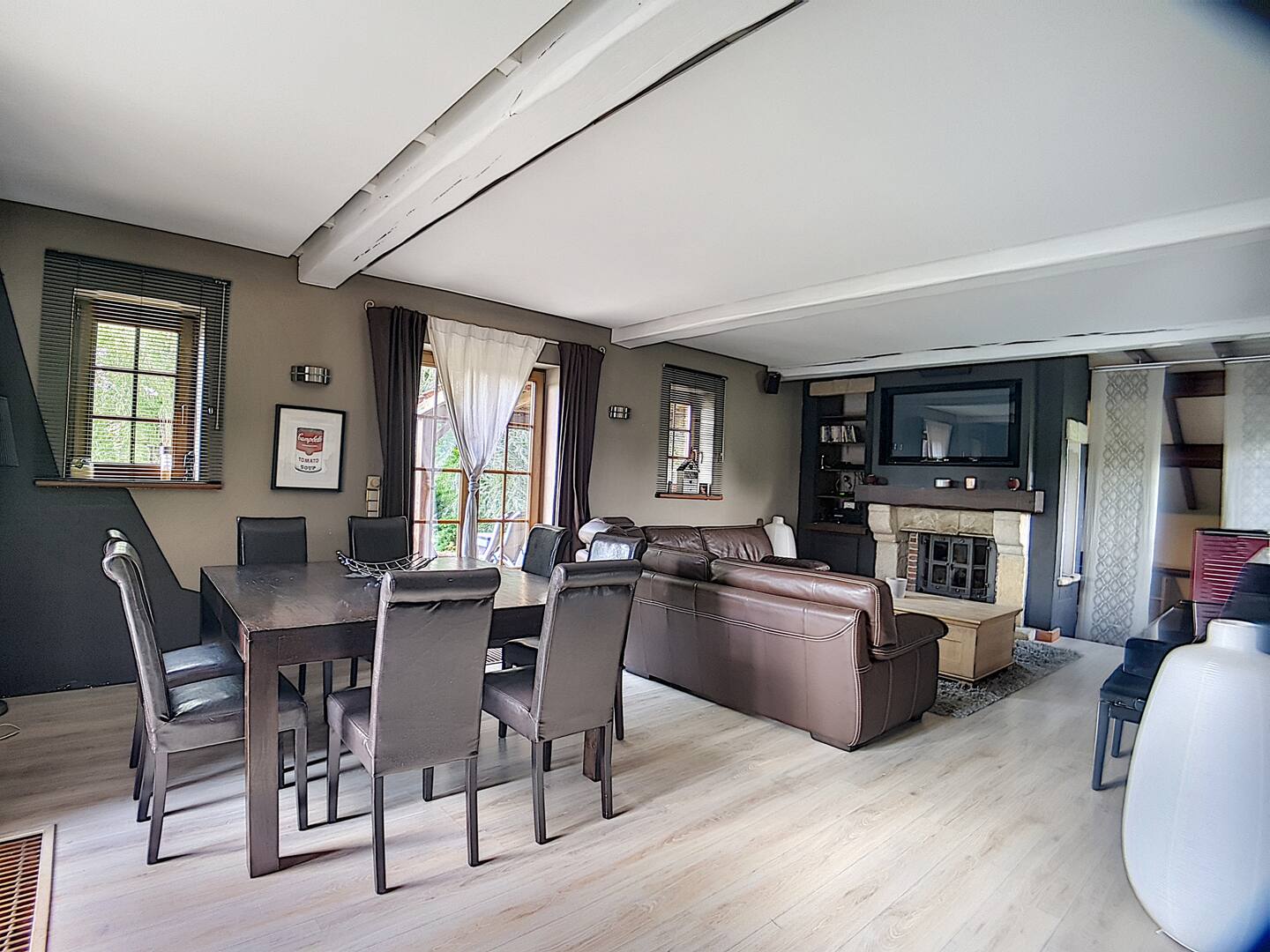
It also changes the day-to-day experience for employees. Workers staying for a month or longer usually do not want to live out of a suitcase in a standard hotel room. They want a kitchen, shared living space, proper sleeping arrangements, and enough room to maintain a normal routine outside work hours. Comfort matters because it affects rest, morale, and reliability on site.
Hotels solve short trips. Projects need housing.
This is where many companies make the wrong comparison. They compare a hotel room to an apartment on price alone, instead of comparing two different operating models.
Hotels are useful for overnight visits, client meetings, or short business travel. If one employee needs two nights in Brussels, a hotel is often the logical option. But if a company needs to house six, eight, or twelve people near a worksite for one to six months, the decision criteria change fast.
In that case, the better question is not, "What is the cheapest nightly rate?" It is, "What setup gives us the best control over cost, logistics, and employee comfort for the full assignment?"
That is why furnished corporate housing often becomes the better fit. It is built around occupancy planning, not tourist turnover. It supports longer stays without forcing companies into daily hotel pricing and hotel-style living conditions.
What companies should expect from a real alternative
Not every furnished rental is suitable for workforce accommodation. If you are arranging housing for employees, the property has to work operationally.
First, it needs to be ready immediately. That means furnished rooms, equipped kitchens, internet access, utilities in service, and no setup work for your company. If your team arrives and still needs to organize basics, it is not a practical solution.
Second, billing has to be simple. Business clients do not want fragmented receipts from multiple rooms and multiple staff members. They need clear company invoicing that fits procurement and accounting processes.
Third, occupancy has to match the team. One apartment for two people is not the same as accommodation for a work crew of ten. Group housing requires the right sleeping capacity, layout, and shared facilities. Otherwise, the property may look acceptable online but fail in real use.
Fourth, contract terms need some flexibility. Project timelines move. Start dates shift. Teams expand or reduce. A rigid leisure-style rental agreement can create the same friction as hotel bookings, just in a different format.
The cost advantage is bigger than the nightly rate
Procurement teams usually notice the price issue first, but the larger savings often come from the extras around the stay.
When employees are housed in a furnished house or apartment, they can cook, store food, and live more normally. That can reduce daily meal expenses significantly over time. Shared accommodation also lowers the per-person cost compared with separate hotel rooms, especially for team deployments.
Admin costs matter too. One organized housing solution with bundled services is easier to manage than repeated hotel reservations, room changes, extensions, and expense claims. When utilities, furnishings, Wi-Fi, and company invoicing are already included, your internal workload drops.
The trade-off is simple. Hotels offer standardization and short-term convenience. Employee housing offers better value for longer stays and team-based assignments. For most companies, once a stay moves beyond a few days, that trade-off becomes hard to ignore.
Employee comfort is not a soft benefit
Some companies still treat accommodation as a pure line-item cost. That approach usually causes problems later.
Employees on temporary assignment still need proper rest, privacy, and enough space to maintain a workable routine. If they spend weeks in cramped hotel rooms, morale often drops. Laundry becomes inconvenient, meals become repetitive and expensive, and there is little separation between work time and personal time.
A better hotel alternative for employees gives them a living environment rather than a place to sleep. That does not mean luxury. It means practical comfort: furnished bedrooms, a functioning kitchen, common areas, internet, and an arrangement that supports longer occupancy.
For site managers and operations teams, this matters because housing quality affects punctuality, retention, and overall assignment stability. If the accommodation works, fewer issues come back to management.
When group accommodation is the better business decision
The strongest case for moving away from hotels is group deployment. If your company is sending a crew for maintenance work, construction support, shutdowns, technical installation, relocation support, or other temporary assignments, separate hotel rooms are usually inefficient.
Group housing keeps teams closer together and makes transportation planning easier. It also helps with coordination, especially when workers have early starts, rotating schedules, or project deadlines that change quickly.
This does not mean every employee should always share accommodation. Senior staff, specialists, or short-stay visitors may still need a different setup. But for many business cases, especially operational teams, houses and larger apartments built for professional occupancy are a more practical match than hotel inventory.
What to look for in Belgium
If your projects are based in Belgium, speed and location matter as much as price. Housing has to be available near worksites, industrial zones, logistics routes, or key cities. A low-cost option is not useful if it creates long daily travel times or delays move-in.
The best providers focus on immediate usability. They offer furnished, equipped accommodation for medium-term stays, clear contact support, and properties that can house multiple employees without extra setup. That is the difference between a listing and a service.
Belga Promo is positioned around that exact need, with fully equipped houses and apartments for companies that need to place employees quickly in Belgium for one month or longer. For employers managing teams rather than individual travelers, that model is often much closer to what the assignment actually requires.
Choosing the right hotel alternative for employees
The right option depends on stay length, team size, project location, and how much internal admin your company can absorb. If you are arranging a very short visit for one employee, a hotel may still be fine. If you are planning housing for several workers over multiple weeks or months, furnished corporate accommodation is usually the more efficient decision.
The key is to evaluate housing as part of operations, not as a travel afterthought. Ask whether the accommodation is ready on arrival, suitable for group occupancy, easy to invoice, and realistic for the duration of the assignment. If the answer is yes, you are not just replacing a hotel. You are removing friction from the project itself.
Good employee housing should make your deployment easier from the first day, not create another task for your team to manage.