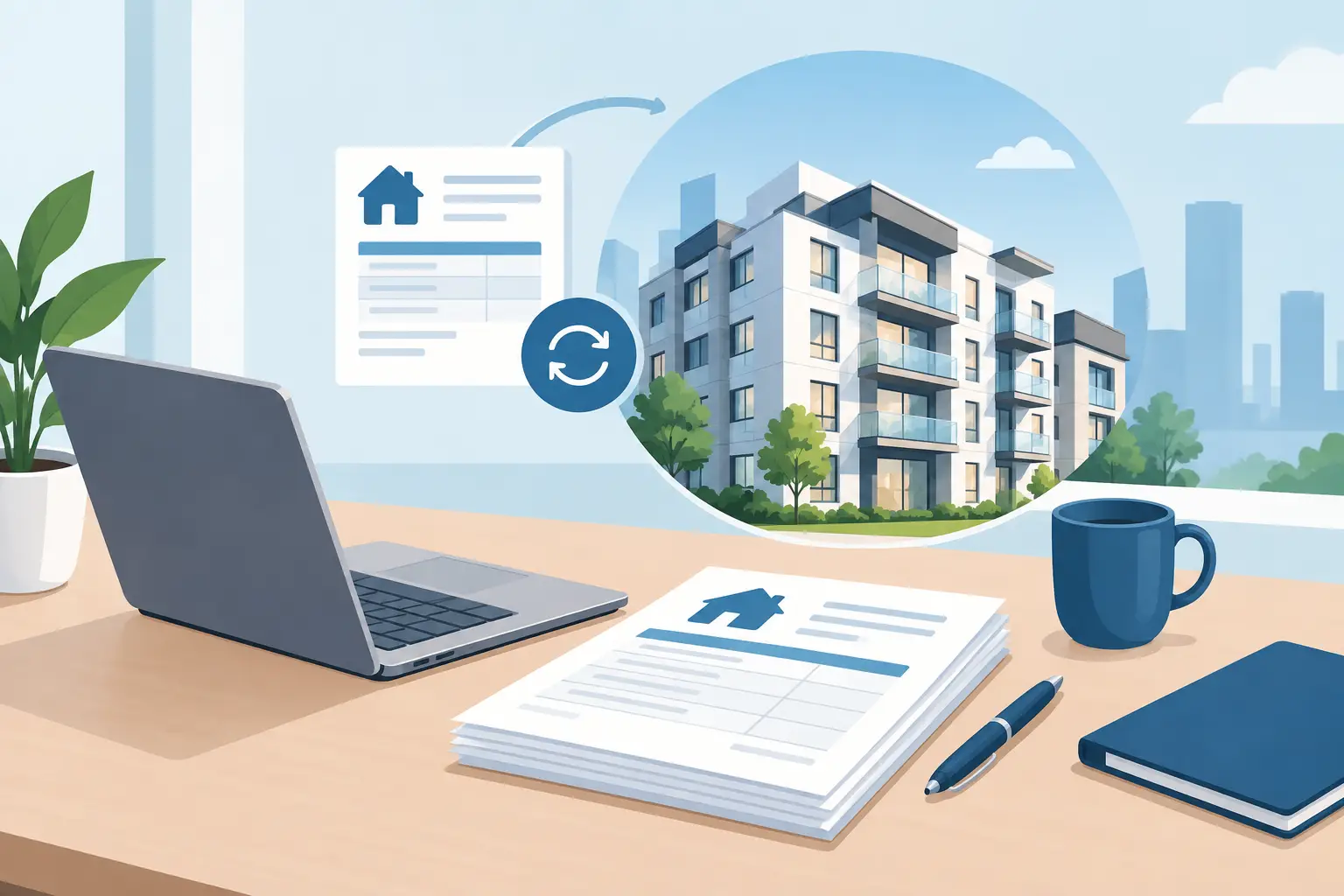
When a project starts in Belgium with little lead time, housing can become the first operational problem. A monthly corporate apartment rental gives companies a practical way to place employees quickly, control costs, and avoid the complexity of booking hotels week after week. For HR teams, site managers, and procurement leads, that matters because accommodation is not a side issue - it directly affects budget, worker comfort, and project continuity.
The main advantage is simple: monthly furnished housing is built for real working stays, not short tourist visits. If you need to house technicians for an installation, contractors for a shutdown, or a team assigned to a client site for several months, the rental model has to match the assignment. Hotels can work for a few nights. Once the stay extends, they often become expensive, fragmented, and harder to manage.
Why a monthly corporate apartment rental makes business sense
The biggest difference between a hotel booking and a monthly corporate apartment rental is operational fit. Companies are not just looking for a bed. They need an accommodation setup that workers can actually live in while remaining close to the job site, transport routes, or industrial zones.
That usually means furnished units, equipped kitchens, Wi-Fi, utilities, and immediate occupancy. It also means contracts that reflect business reality. Assignment lengths change. Team sizes shift. Start dates move. A good housing solution needs enough flexibility to adapt without creating extra administrative work.
Cost control is another major factor. Booking several hotel rooms for a team over multiple weeks can quickly push lodging costs beyond the original forecast. With monthly furnished accommodation, the cost structure is easier to understand and easier to track. One property can often house multiple workers, and bundled pricing reduces the number of separate service bills and reimbursements.
Comfort matters too, especially when employees are away from home for extended periods. Workers staying for one month or more need more than a temporary setup. They need space to cook, rest, store equipment and personal items, and maintain a routine. Better living conditions can reduce friction on site and support productivity over the full assignment.
What companies should expect from a monthly corporate apartment rental
Not every furnished rental is designed for corporate use. That distinction matters. Some apartments may be furnished but still lack the structure companies need for team housing and medium-term stays.
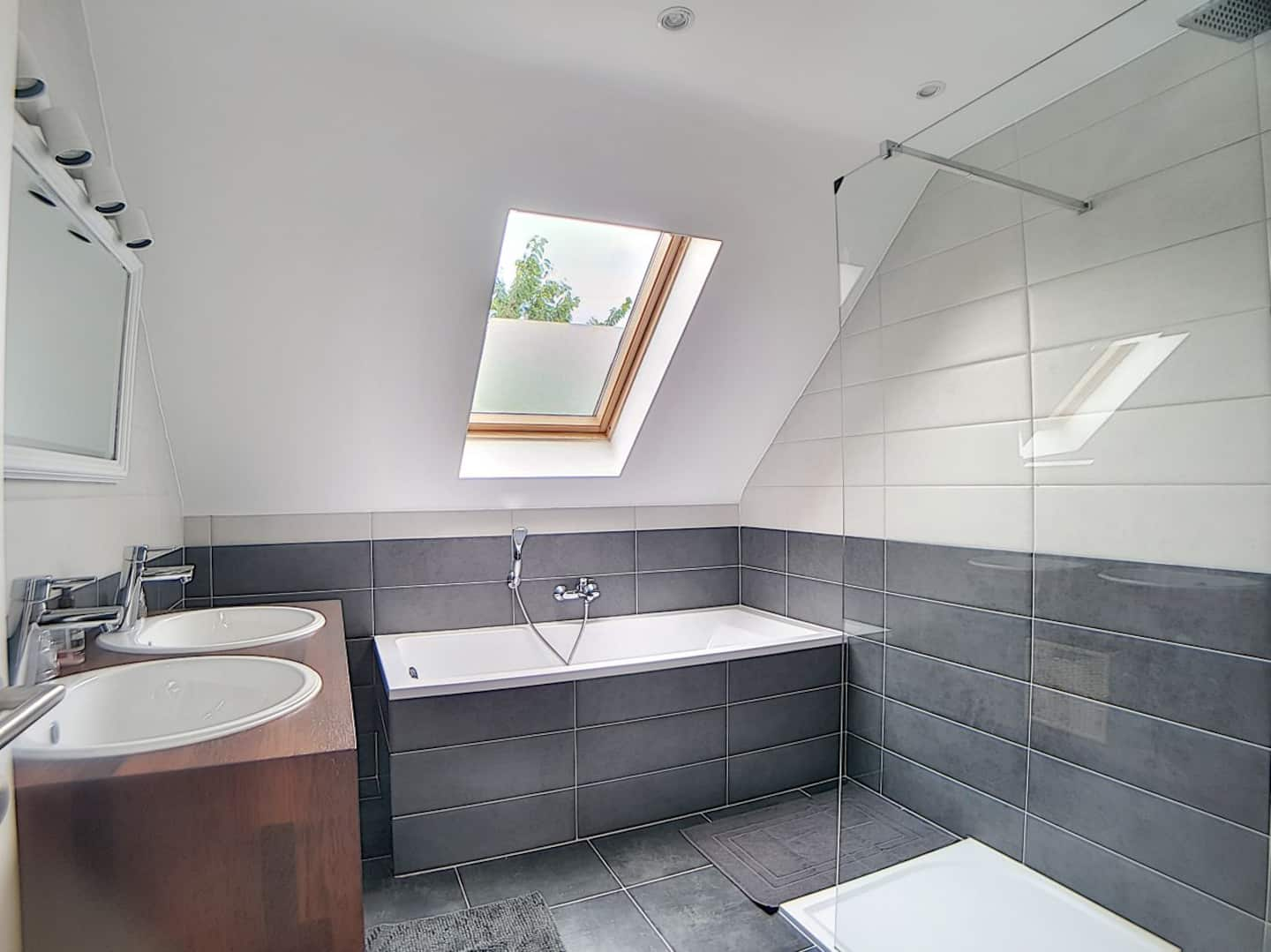
A business-ready monthly corporate apartment rental should be ready for occupancy from day one. That includes furniture, beds, kitchen equipment, internet access, and active utilities. There should be no setup period, no hidden activation steps, and no need for employees to organize basics themselves after arrival.
Administration should also be straightforward. For corporate clients, that usually means one contract, clear terms, and company invoicing. If each employee has to manage separate payments, deposits, or utility accounts, the administrative burden increases fast. The more people involved, the more important central coordination becomes.
Capacity is another point that is often underestimated. Many housing providers are set up for individuals or couples, not work teams. If your requirement is for 6, 8, or 12 people, standard short-term rentals may not be suitable. Group occupancy requires the right sleeping arrangements, common areas, and a layout that can support daily living without overcrowding.
Hotels versus monthly furnished housing
For short assignments, hotels remain useful. They are convenient for a brief stay, especially when the employee is traveling alone and needs minimal setup. But for project teams or medium-term assignments, the trade-offs become harder to ignore.
Hotels usually separate workers into different rooms with limited shared living space. Meals are more expensive when employees rely on restaurants every day. Laundry may be less practical. Parking may be limited or billed separately. Extending reservations can become difficult during busy periods, and rotating staff between locations can create additional planning work.
A monthly furnished apartment or house changes that equation. Teams can stay together in one property, prepare meals, and settle into a stable routine. Billing is generally more predictable, and companies avoid the repeated booking cycle that often comes with hotels.
That said, it depends on the assignment. If only one employee is staying for a few nights near a city center, a hotel may still be the most efficient option. If a company is deploying multiple workers for one month or longer, corporate housing is usually the more practical choice.
The decision factors that matter most
Location comes first. The best property is not always the one in the center of the city. For many companies, proximity to industrial sites, logistics hubs, client facilities, and major road connections is more important than tourist appeal. Commute time affects labor efficiency and transport costs, so housing should support the work schedule rather than compete with it.
The next factor is occupancy capacity. A property that looks adequate on paper can become unsuitable if the layout does not support group living. Companies should confirm how many people the accommodation is designed for, how beds are arranged, and whether there is enough usable space for a team to stay comfortably over time.
Included services matter because they define the true cost. A lower base rent may look attractive until utilities, internet, furniture, and cleaning arrangements are added separately. All-inclusive pricing is often easier for budgeting and internal approval because the total monthly cost is clear from the start.
Contract flexibility is also important. Project schedules do not always follow the original plan. Some teams need to extend, while others finish earlier than expected. A provider that understands corporate housing should be able to discuss durations from one month to longer periods without turning a small contract change into a major issue.
Why turnkey accommodation reduces friction
The practical value of turnkey housing is often underestimated until a company has to organize a last-minute placement. When employees arrive from another region or another country, they need a property that is immediately usable. Delays create extra hotel nights, lost working time, and avoidable stress for both the company and the employee.
A turnkey monthly corporate apartment rental removes that setup phase. The accommodation is already furnished, equipped, connected, and ready for move-in. That is especially useful for project-based industries where start dates are tight and operations cannot wait for furniture deliveries, internet installation, or utility activation.
For international employers, this setup is even more relevant. Managing housing in another country can become complicated if the provider does not offer clear communication, fast confirmation, and a simple commercial process. Responsive support and straightforward documentation can save significant time for HR and operations teams.
A better fit for team deployments in Belgium
Belgium often requires housing solutions that balance access, speed, and flexibility. Companies may need accommodation near ports, industrial areas, infrastructure works, or regional business hubs rather than in traditional hospitality zones. That is one reason the corporate housing model works well for employers managing technicians, contractors, and mobile workforces.
Providers focused on this segment are better aligned with what companies actually need: furnished houses and apartments for medium-term stays, group capacity, all-inclusive service, and quick availability. Belga Promo is built around that model, offering ready-to-live-in accommodation for business clients who need to house teams from one month to 12 months or more.
The key is not just finding a place to sleep. It is finding accommodation that supports the assignment without adding avoidable cost or administration. When housing is set up correctly, managers spend less time solving logistics and more time running the project.
If you are comparing options for an upcoming deployment, start with the basics: how many people need to stay, how long the assignment will last, where they need to be based, and whether the housing is truly ready from day one. Those answers usually point quickly to whether a monthly corporate apartment rental is the right fit.