A project team arriving in Belgium should be able to start work on day one, not spend its first week buying cookware, arranging internet, and reconciling hotel receipts. This medium stay rental guide helps companies choose furnished accommodation for employees, technicians, contractors, and relocation teams staying from one month to a year or more.
For employers, medium-term housing is not simply a place to sleep. It is an operational decision that affects project schedules, workforce comfort, travel costs, and administrative workload. The right property gives a team a stable base near the worksite while keeping monthly spending clear and manageable.
What Counts as a Medium Stay Rental?
A medium stay generally begins at one month and can extend for several months or longer, depending on the assignment. It sits between a short hotel booking and a conventional long-term residential lease. This format works well for construction projects, industrial shutdowns, infrastructure work, training programs, relocations, and temporary staffing requirements.
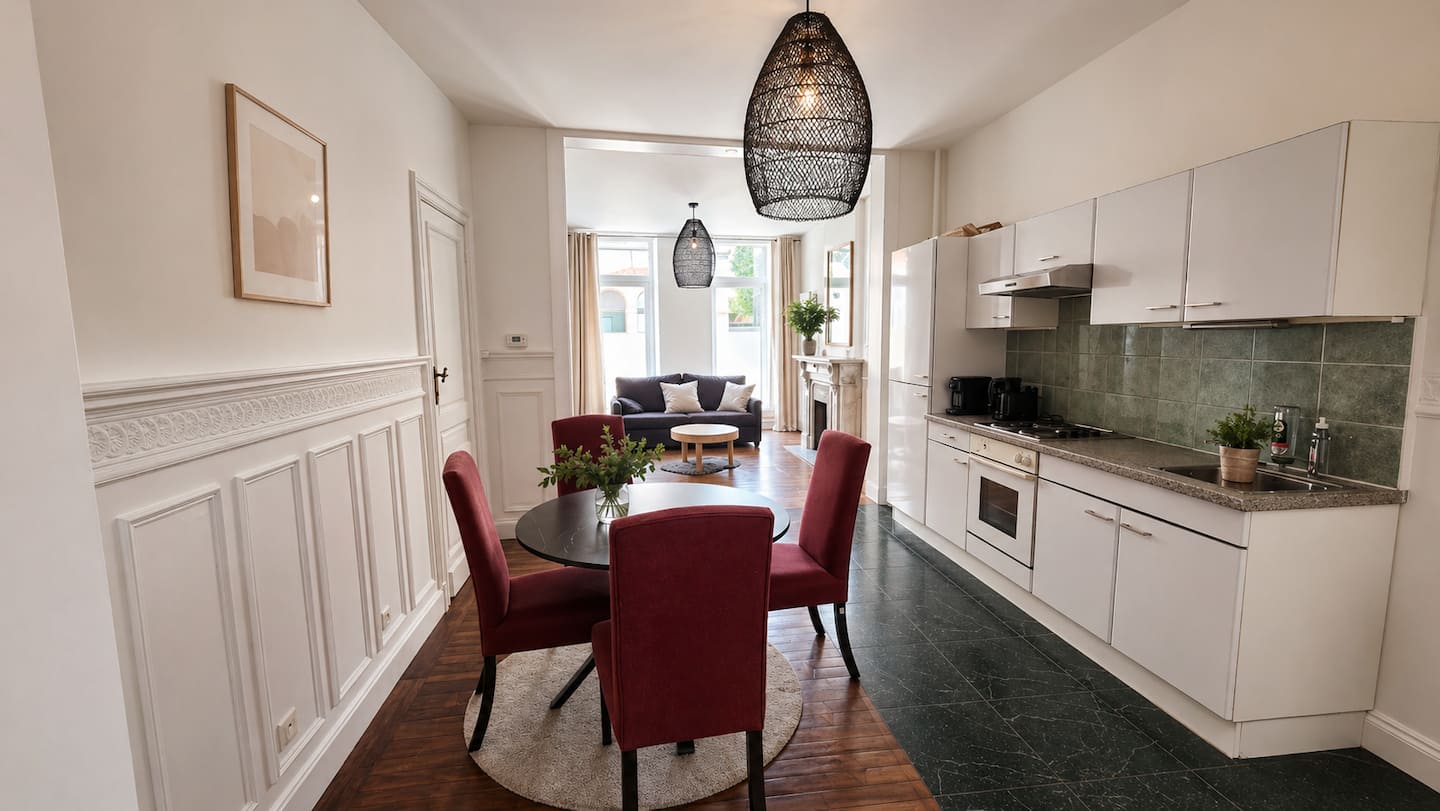
For company teams, the key distinction is readiness. A suitable medium-stay property is furnished, equipped, and available for immediate occupancy. Employees should arrive to functional bedrooms, a usable kitchen, heating, utilities, and reliable Wi-Fi rather than an empty apartment that requires setup.
The best duration depends on the assignment. A four-week installation project needs flexibility in case schedules move. A six-month site deployment may justify a more settled arrangement with more space and storage. In both cases, the company needs terms that reflect business realities rather than a leisure-travel booking model.
Why Hotels Often Stop Making Sense After a Few Weeks
Hotels can be useful for a short visit, an advance team, or an uncertain arrival date. They become less practical when several employees need to stay for weeks or months. Booking individual rooms separates the team, limits privacy, and can create a high per-person cost. Daily rates also make budgeting difficult when project timelines change.
A furnished house or apartment can offer shared living space, a kitchen, laundry facilities, and room for the team to establish a routine. This matters when workers are on long shifts, need early meals, or want a quiet place to rest away from the job site. It also gives managers fewer reservations to track.
That does not mean one property is always the right answer. Teams working different shifts, requiring separate accommodation by role, or operating in several locations may need more than one unit. The goal is to match the housing plan to the workforce structure, not to force every assignment into the same arrangement.
How to Choose Housing for a Work Team
Start with the operational facts: where the team will work, how many people need beds, when they arrive, and how long the assignment is likely to last. These details determine whether a property is a practical fit before price is even considered.
Location Should Support the Workday
A lower rental rate can lose its value if employees face long daily commutes, expensive parking, or unreliable transport. Consider driving time to the site at shift-change hours, access to major roads, and nearby shops for daily needs. For teams without company vehicles, public transport access becomes more significant.
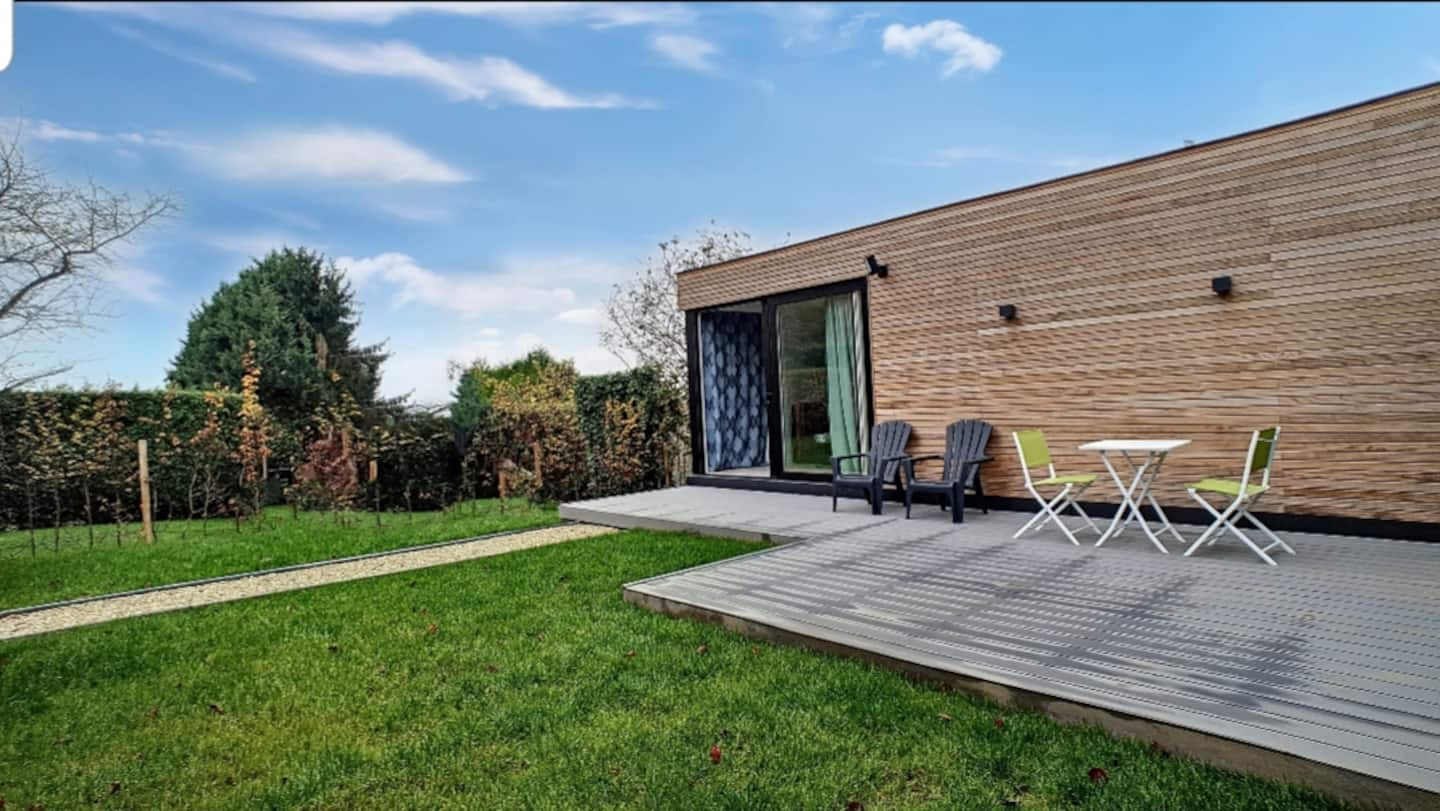
Also check the local setting. A property near a busy city center may suit a small office-based team. A house with easier vehicle access and parking may be more appropriate for technicians carrying tools or traveling to industrial locations. The best location is the one that reduces daily friction for the assignment.
Capacity Means More Than Bed Count
Do not assess group accommodation only by its stated maximum occupancy. Ask how bedrooms are configured, whether beds are separate, how many bathrooms are available, and whether the kitchen and living areas can support the group comfortably.
A property for 10 people can work very differently depending on its layout. For a team on similar schedules, shared areas may be used frequently. For rotating shifts, quiet bedrooms and sufficient bathrooms matter more. Clear occupancy details prevent dissatisfaction after move-in and help employers meet their duty of care to traveling staff.
Furnishings Must Be Ready for Daily Life
A furnished rental should be ready to support everyday living, not just look complete in photographs. Employees need beds, seating, storage, cooking equipment, refrigeration, laundry access, heating, and dependable internet. For longer stays, practical details such as workspace surfaces, adequate cookware, and cleaning arrangements can make a material difference.
Confirm what is included before approving the rental. If a company has to arrange furniture delivery, utility activation, internet installation, or household equipment separately, the apparent savings can quickly disappear. A ready-to-live-in property reduces both lead time and coordination work.
Build the Budget Around the Total Monthly Cost
The advertised monthly rent is only one part of the accommodation budget. A clear corporate housing quote should show whether utilities, Wi-Fi, furniture, and other essential services are included. Companies should also understand any deposit, cleaning charge, local taxes, parking costs, or charges linked to additional occupants.
All-inclusive pricing is often easier for operations and finance teams because it turns several variable household expenses into one predictable monthly figure. It also reduces the need to collect employee receipts or manage separate accounts for electricity, gas, water, and internet.
Compare options on a per-person, per-month basis rather than only comparing the total property price. A larger house may cost more overall but provide a lower cost per employee than multiple hotel rooms or small apartments. At the same time, avoid overbooking capacity. Paying for unused beds can weaken the financial advantage of group accommodation.
Contract Terms That Protect the Project
Medium-stay contracts should give companies enough certainty to plan while allowing reasonable flexibility if the project changes. Before committing, confirm the minimum stay, notice period, extension process, payment schedule, deposit terms, and the procedure for reporting maintenance issues.
Ask what happens if the team needs to extend beyond the original end date. Availability cannot always be guaranteed, especially in high-demand areas, but a provider should explain the options early. It is equally useful to know whether the contract can be shortened if a project finishes ahead of schedule.
For international employers, company invoicing is particularly valuable. The rental documentation should identify the contracting company, accommodation period, included services, payment terms, and applicable tax treatment. This makes internal approval and cost allocation easier than managing bookings in individual employees' names.
Use a Clear Booking Brief
Fast decisions depend on clear information. When requesting accommodation, provide the essential project details at the beginning. This allows the provider to suggest suitable properties rather than sending broad, irrelevant options.
A useful housing brief includes:
- Required location or maximum commute time to the worksite
- Arrival and expected departure dates, including any flexibility
- Number of employees and preferred bedroom arrangement
- Parking, vehicle, shift-work, or access requirements
- Required billing details and the company contact responsible for approval
It is also worth identifying one contact person on the employer side and one person staying at the property. This avoids delays when an invoice, extension, maintenance request, or arrival detail needs a quick response.
Plan the Arrival, Not Just the Reservation
Accommodation is only effective when the move-in process is clear. Confirm arrival hours, key collection, property access instructions, parking arrangements, and the contact process for urgent issues. If employees are arriving from another country, share the instructions in a language they can understand before travel begins.
For larger deployments, staggered arrivals can be easier to manage than sending the entire team at once without a designated lead. A team supervisor can check that the property matches the agreed occupancy and report any issue immediately. This creates a record at the start of the stay and helps prevent disputes later.
Belga Promo focuses on this practical model: furnished houses and apartments for professional groups, with capacities designed for teams and terms that start from one month. The value is not only the property itself, but the ability to place employees in usable accommodation without building a separate setup plan.
A well-chosen medium-stay rental gives employees a functional place to live and gives the business one less moving part to manage. Define the team’s needs early, confirm the full monthly cost, and choose accommodation that supports the work rather than complicating it.