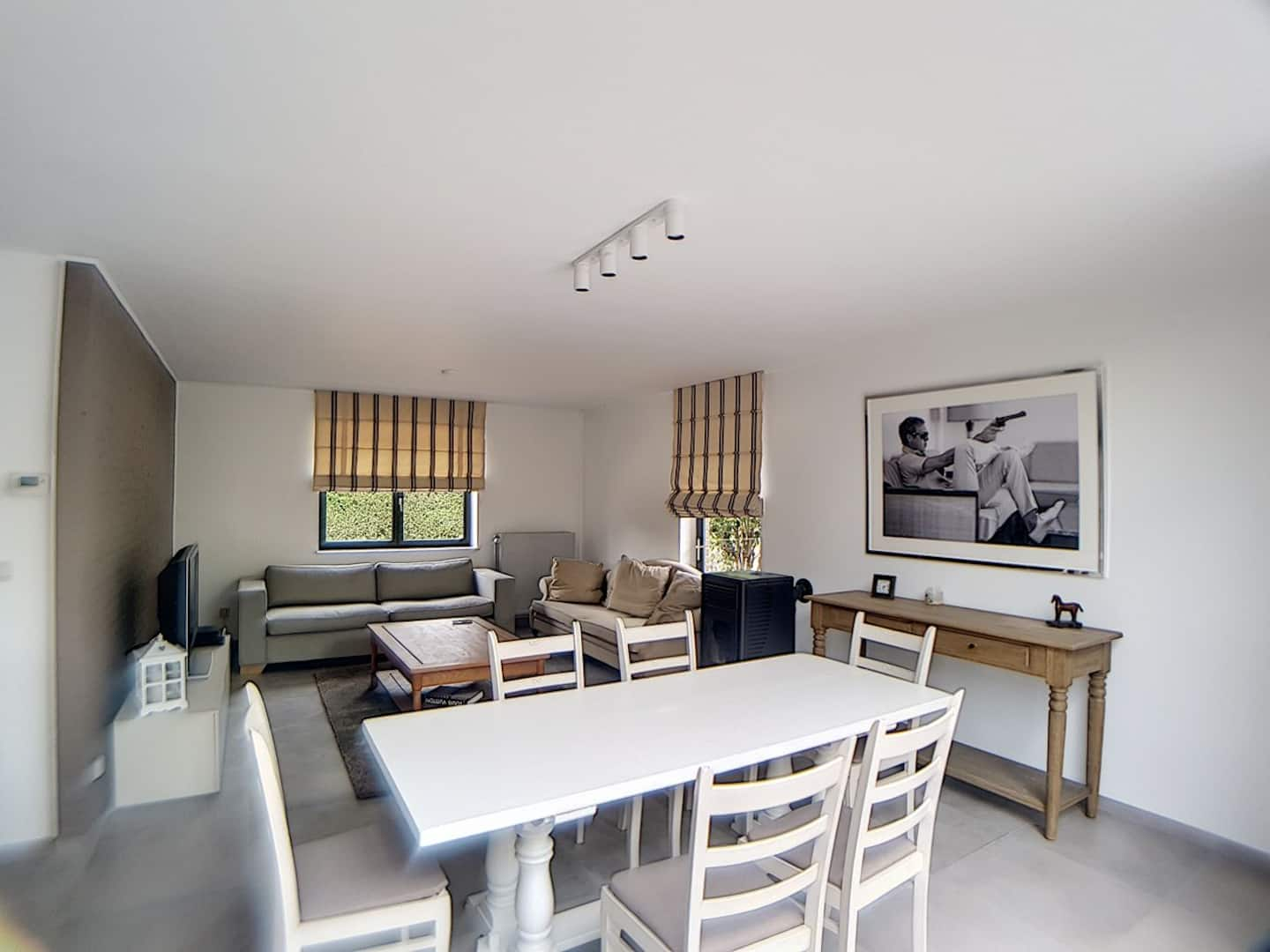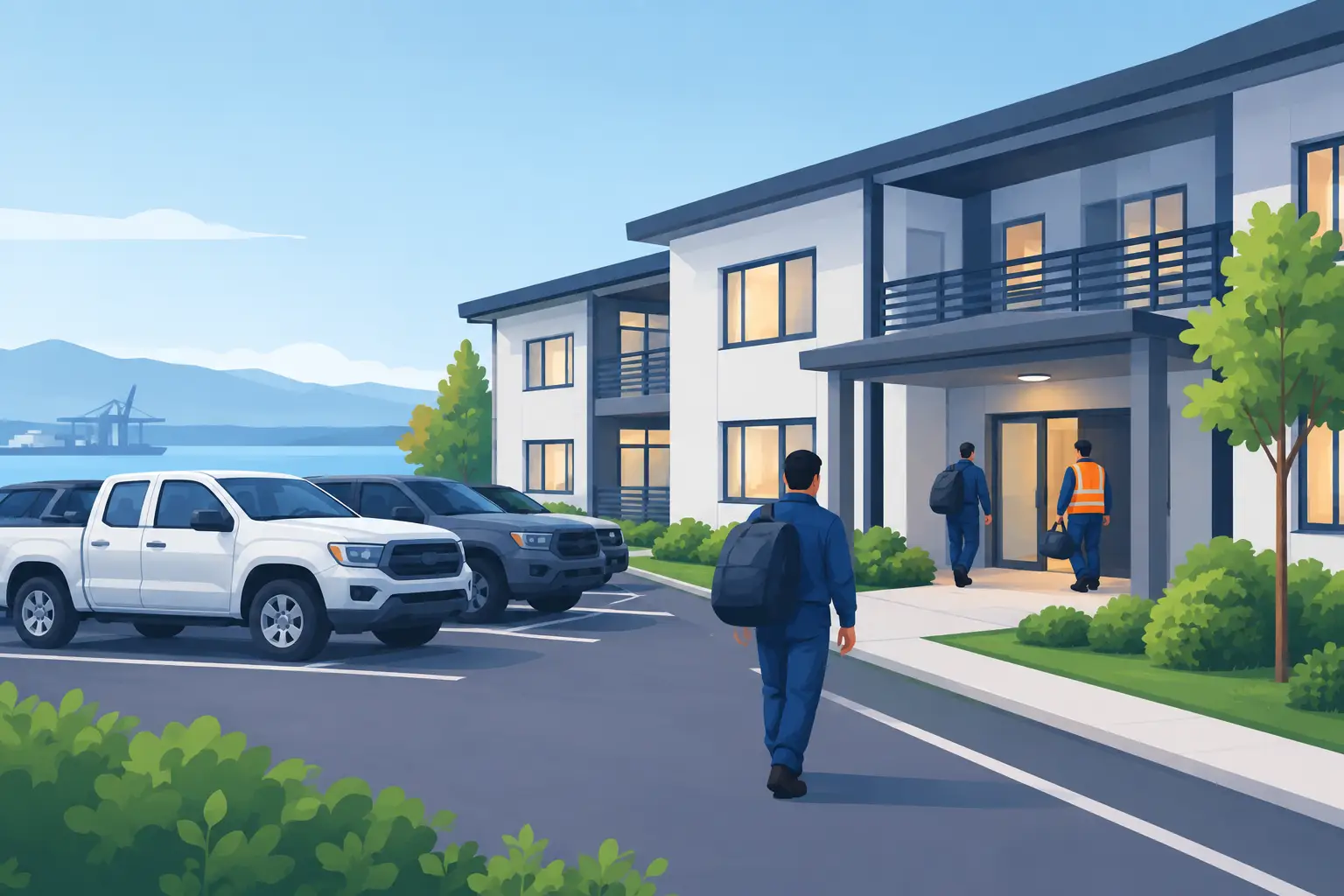

A project team can arrive in Belgium on Monday and be expected on site the same day. That leaves little room for collecting keys from multiple hotels, arranging internet access, buying household basics, or reconciling separate utility bills. Team accommodation with wifi utilities gives employers a ready-to-live-in base for crews, technicians, contractors, and relocated employees from the first night.
For stays of a month or more, housing is not simply a travel expense. It affects attendance, team morale, daily logistics, and the time your operations staff spend solving avoidable problems. A furnished house or apartment that is sized for group occupancy and priced with key services included creates a more practical setup than a collection of individual hotel rooms.
Why WiFi and utilities belong in the accommodation decision
Reliable internet and working utilities are basic operational requirements, not optional extras. Employees need internet access to communicate with managers, review schedules, complete online training, submit reports, and stay in touch with home after work. Heating, electricity, water, and a functioning kitchen are equally important when people are living away from home for weeks or months.
When these services are arranged separately, the company takes on more coordination. Someone must activate accounts, handle deposits, monitor invoices, explain usage rules, and resolve problems if a service is interrupted. This is manageable for one employee on a long relocation, but it becomes inefficient when a site manager is placing a team of six, ten, or sixteen people.
An all-inclusive arrangement brings those recurring essentials into one housing solution. It supports budget planning because the major living costs are known before the team arrives. It also reduces the risk of a crew moving into an otherwise suitable property only to find that internet installation or utility activation is still pending.
That does not mean every rental agreement is identical. Companies should still confirm what is included, whether utility use is subject to reasonable-use terms, and how exceptional consumption is handled. Clear terms protect both the employer and the housing provider, especially on energy-intensive projects or during long winter stays.
What practical team housing should include
A suitable property must work as a home and as a reliable base for a working group. The number of beds matters, but it is only one part of the decision. A team that is comfortable, rested, and able to manage daily routines is easier to retain and more prepared for work.
Furnished rooms that support longer stays
For medium-term assignments, employees need more than a bed and a bathroom. Furnished accommodation should provide sleeping areas, seating, storage, dining space, and practical shared areas. Privacy is also worth considering. Depending on the team structure, separate bedrooms can be more appropriate than shared hotel-style sleeping arrangements.
Group housing gives colleagues a common place to prepare for the day, eat meals, and decompress after shifts. This is often more comfortable than placing employees across several hotels, where the team is separated and meal arrangements add daily expense.
An equipped kitchen and laundry access
A kitchen changes the economics of an extended assignment. Workers can prepare breakfast, packed lunches, and evening meals rather than relying entirely on restaurants or delivery services. For a team staying several months, this can make a meaningful difference to the overall cost of deployment.
Laundry facilities or convenient laundry access are equally practical. They reduce trips to commercial laundromats and help employees maintain normal routines during demanding work schedules. These details may appear small at the booking stage, but they strongly influence whether accommodation remains workable after the first few weeks.
High-speed WiFi for work and personal use
WiFi should be available when the team moves in, not scheduled for installation after arrival. The connection must reasonably support the number of occupants and the way they use it. A property for a small crew has different needs from a house accommodating a larger project team, particularly when employees use video calls, cloud-based systems, or multiple personal devices in the evening.
Employers should state the expected occupancy and any operational internet requirements when requesting a quote. This helps ensure the accommodation is matched to the assignment rather than selected on room count alone.
Predictable costs make deployment easier to control
Hotels can appear convenient for short stays, but their cost structure becomes harder to manage as assignments extend. Nightly rates, meals, parking, laundry, and incidental charges can add up quickly. Multiple reservations also create more invoices, more changes, and more opportunities for booking errors.
A furnished team property with WiFi and utilities included gives procurement and operations teams a clearer monthly figure. Instead of tracking expenses across several suppliers, the company can manage accommodation through a single agreement and a company invoice. This is particularly useful when project dates shift, headcount changes, or several departments need visibility over spending.
The lowest advertised rental price is not always the lowest operating cost. A less expensive unfurnished property may require furniture rental, kitchen equipment, internet installation, utility deposits, and separate administration. It may also take longer to prepare. For a team that needs to start work quickly, those delays can cost more than the apparent savings.
Choosing the right location for the project
The best accommodation is not necessarily in the city center. For industrial projects, construction sites, maintenance work, and logistics operations, proximity to the work location and major transport routes may matter more than access to tourist areas. A shorter commute reduces travel time, fuel costs, and fatigue, especially for teams working early starts or rotating shifts.
Before confirming a property, consider the journey from the accommodation to the site at the times employees will actually travel. Ask about parking, public transportation where relevant, local shops, and access to daily services. A team can live more comfortably when groceries and basic services are within practical reach.
Capacity also needs to match the real headcount. Booking a property that is too small creates pressure on shared spaces and sleeping arrangements. Booking significantly more capacity than needed can weaken cost control. Corporate housing providers that offer properties for groups of six to sixteen people can help companies match the accommodation to the size and duration of the assignment.
Flexibility matters when project dates move
Few project schedules remain fixed from start to finish. A site opening may be delayed, a commissioning phase may take longer than expected, or additional specialists may need to join the team. Housing contracts should support this operational reality where possible.
For stays starting at one month and extending to a year or longer, companies benefit from discussing expected dates, extension options, occupancy changes, and notice requirements before move-in. The objective is not unlimited flexibility at any cost. It is a clear arrangement that gives the employer enough room to respond without having to restart the accommodation search every time the project plan changes.
Rapid availability is also valuable when a client wins new work or needs to send a response team at short notice. A provider focused on professional groups understands that the decision timeline is often measured in days, not weeks.
Questions to settle before your team arrives
A clear accommodation brief prevents problems later. Confirm the arrival date, number of occupants, expected duration, work location, parking needs, and whether team members require separate bedrooms. Specify that high-speed WiFi, electricity, heating, water, furniture, and an equipped kitchen must be ready at move-in.
It is also sensible to establish a single company contact for approvals, invoices, contract changes, and property questions. This prevents site managers from becoming the default contact for every administrative issue. If the team includes employees from different countries, multilingual support can make the move-in process easier and reduce misunderstandings.
Belga Promo provides furnished houses and apartments in Belgium for professional groups, combining practical capacity with included essentials and company-focused administration. That approach is designed for employers who need housing to support the job, rather than create another job for their operations team.
The right accommodation should let employees arrive, connect, cook, rest, and get to work without waiting for basic services to be arranged. When those details are handled before the keys are collected, your team can focus on the project from day one.