A project team arrives in Belgium on Monday, the site must be operational by Tuesday, and the assignment may last three months or more. Booking individual hotel rooms solves the first night, but it rarely solves the wider housing requirement. Knowing when companies should use furnished rentals helps operations, HR, and procurement teams make a faster decision that supports both workers and budgets.
For teams staying more than a few weeks, furnished corporate housing often provides a more practical base than hotels or unfurnished leases. The right choice depends on assignment length, team size, work location, and the level of administration your company can manage. A furnished rental is most valuable when it removes setup work and gives employees a comfortable place to live from day one.
When should companies use furnished rentals?
Companies should consider furnished rentals when employees need temporary accommodation for at least one month and require more than a place to sleep. This commonly applies to construction crews, industrial technicians, maintenance teams, consultants, drivers, relocated staff, and contractors assigned to projects in Belgium.
The strongest case is a medium- or long-term stay. A hotel can be suitable for a short visit, a training week, or an unexpected overnight requirement. Once a stay extends into several weeks or months, daily room rates, restaurant expenses, laundry needs, and multiple reservations can quickly create unnecessary cost and administration.
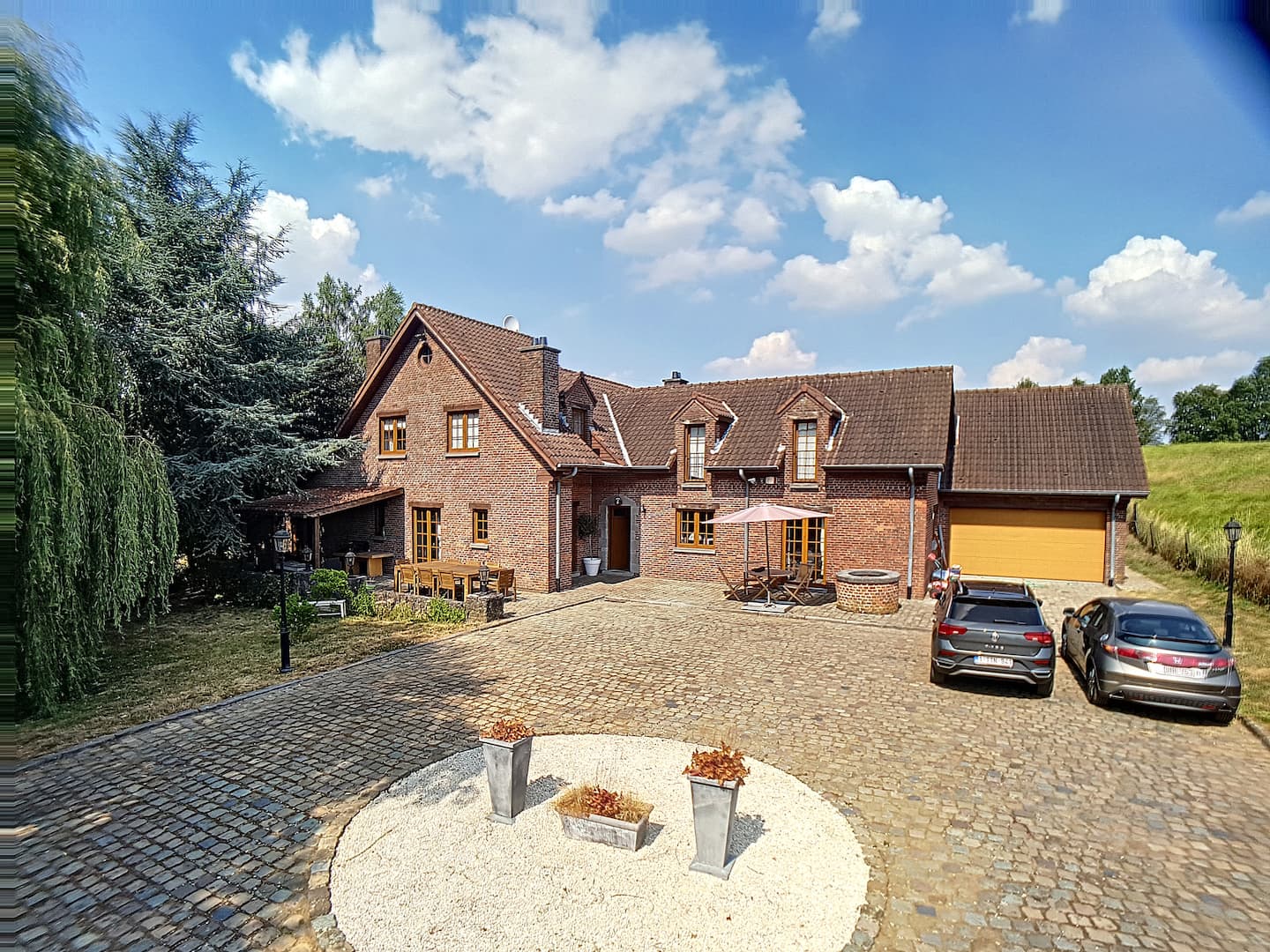
A fully furnished house or apartment gives teams bedrooms, shared living areas, equipped kitchens, Wi-Fi, utilities, and everyday essentials under one arrangement. Instead of arranging furniture delivery, utility contracts, internet installation, and separate accommodation for each employee, the company can place its team in ready-to-live-in housing.
Your team needs to start work immediately
Speed is often the deciding factor. New contracts, urgent repairs, shutdowns, and staffing shortages do not leave much time for a traditional housing search. An unfurnished property may appear less expensive at first, but it requires furniture, appliances, kitchen equipment, internet access, utility activation, and move-in coordination.
Furnished rentals are designed for immediate occupancy. Employees can arrive with personal belongings and settle in without waiting for basic services. For a site manager, that means less time spent sourcing beds and more time spent preparing the team for the job.
This is especially useful when employees are arriving from abroad. A worker unfamiliar with local rental practices, suppliers, or transportation routes should not have to manage a household setup during their first week on assignment.
The assignment will last one month or longer
The longer the stay, the more the economics usually shift toward furnished housing. Hotels provide consistency, but they price accommodation by room and by night. For a team of six, eight, or more people, this structure can become difficult to justify over several months.
A furnished corporate rental generally provides a single property for a defined term, with key services included. Predictable monthly pricing makes it easier to allocate costs to a project, department, or client contract. It also reduces the risk of budget surprises caused by fluctuating hotel availability, seasonal rates, or repeated extensions.
There is no universal break-even point because location, occupancy, and accommodation standard vary. Still, companies planning stays of one to 12 months should compare the total cost of hotel rooms against a group property, including meals, laundry, transportation, utilities, and booking administration.
Use group housing when workers need a practical home base
A group working on the same project benefits from being housed together, provided the property has suitable capacity and sleeping arrangements. Houses and apartments for six to 16 occupants can be a better operational fit than distributing employees across several hotels.
Shared accommodation supports practical routines. Teams can prepare meals, organize early departures, discuss work plans, and return to a familiar environment at the end of a shift. Separate bedrooms remain important for rest and privacy, particularly for employees working long hours or rotating schedules. The goal is not simply to place as many people as possible in one property. It is to provide accommodation that works for the team’s actual routine.
Group housing can also simplify transport planning. When employees are based near a project site, industrial area, or major transport route, the company may reduce travel time and coordinate pickups more easily. For projects with changing shifts, location can be just as important as the monthly rate.
Choose furnished rentals for relocations with an uncertain timeline
Employee relocations are rarely as fixed as they first appear. A new hire may need time to find permanent housing. A transferred manager may arrive before family arrangements are complete. A specialist may be needed longer than the original contract expected.
Furnished rentals give companies a useful transition solution. The employee has a stable address and a functional home while longer-term plans are finalized. This avoids putting someone in a hotel for an extended period, where the lack of cooking facilities, living space, and privacy can affect comfort and productivity.
Flexibility matters here. Before committing, companies should clarify the minimum rental term, extension options, notice requirements, and what happens if project timing changes. A flexible contract is valuable, but it should still be clear enough to support budgeting and planning.
Consider the administrative workload, not just the rent
Housing decisions are sometimes made by comparing a monthly rental price with a hotel rate. That comparison misses the cost of coordination. If an operations coordinator must manage multiple hotel bookings, expense claims, utility accounts, furniture rentals, internet providers, and employee questions, the lowest advertised rate may not be the lowest total cost.
An all-inclusive furnished rental reduces those moving parts. Furniture, equipped kitchens, high-speed Wi-Fi, utilities, and company invoicing can be combined into one operational arrangement. This gives finance teams clearer documentation and gives project managers a single point of contact for accommodation questions.
For international companies, company invoicing is particularly useful. Rather than reimbursing individual employees across multiple transactions, the employer can receive an invoice that is easier to review, approve, and assign to the correct project.
Belga Promo structures furnished houses and apartments around this requirement, offering business-ready accommodation for teams that need capacity, quick availability, and clear terms in Belgium.
When a furnished rental may not be the right choice
Furnished rentals are not automatically the best option. For a one- or two-night visit, a hotel is usually simpler. Hotels may also be preferable when travelers need a central location for short meetings, daily housekeeping, or facilities such as conference rooms and a staffed front desk.
A furnished rental may also be unsuitable if the team size is too small for the available property or if workers need highly individualized locations across different cities. In those cases, paying for unused bedrooms or arranging transport could reduce the financial advantage.
Companies should also verify practical requirements before booking. Ask about the number of bedrooms, beds, bathrooms, parking, kitchen capacity, Wi-Fi reliability, proximity to the worksite, laundry facilities, and contract terms. For teams working nights, confirm whether the location and property layout support rest during the day. For employees with vehicles or tools, parking and access should be addressed before arrival rather than after the first shift.
A simple way to make the decision
Start with the project facts: how many people are arriving, where will they work, when do they need to move in, and how long might they stay? Then calculate the full accommodation cost, not only the nightly or monthly headline rate.
A furnished rental is usually the stronger choice when the stay lasts a month or longer, several employees need housing in the same area, and the company wants an immediately usable property with one predictable invoice. It is also a sensible option when worker comfort matters, which it should. Employees who can cook, rest properly, do laundry, and live close to work are better positioned to stay focused throughout a demanding assignment.
The most effective accommodation plan is the one that lets your team arrive, settle in, and get to work without creating a second project for your operations staff.