
When a project team needs housing for six, ten, or fifteen people, the wrong setup creates problems fast. The best accommodation for work crews is not the option that looks cheapest on a booking site - it is the one that keeps people housed comfortably, close to the job, and easy to manage over weeks or months.
For HR teams, site managers, and operations leads, this is usually a practical decision rather than a hospitality decision. You are not booking a weekend stay. You are organizing living arrangements that affect attendance, morale, transport time, admin workload, and overall project cost.
What makes the best accommodation for work crews?
The best accommodation for work crews usually combines four things: enough space for group occupancy, a ready-to-live-in setup, predictable monthly costs, and flexibility around contract length. If one of those is missing, the housing often becomes harder to manage than expected.
Hotels may work for a few nights or for one or two employees. For longer stays and larger groups, they often become expensive and operationally inefficient. Splitting a crew across multiple hotel rooms also means less shared space, more paperwork, and less comfort after work.
Standard vacation rentals have a different issue. They may look suitable online, but many are designed for tourists, not professional teams. That can mean limited beds, weak Wi-Fi, unclear billing, restrictive rules, or owners who are not set up for company bookings.
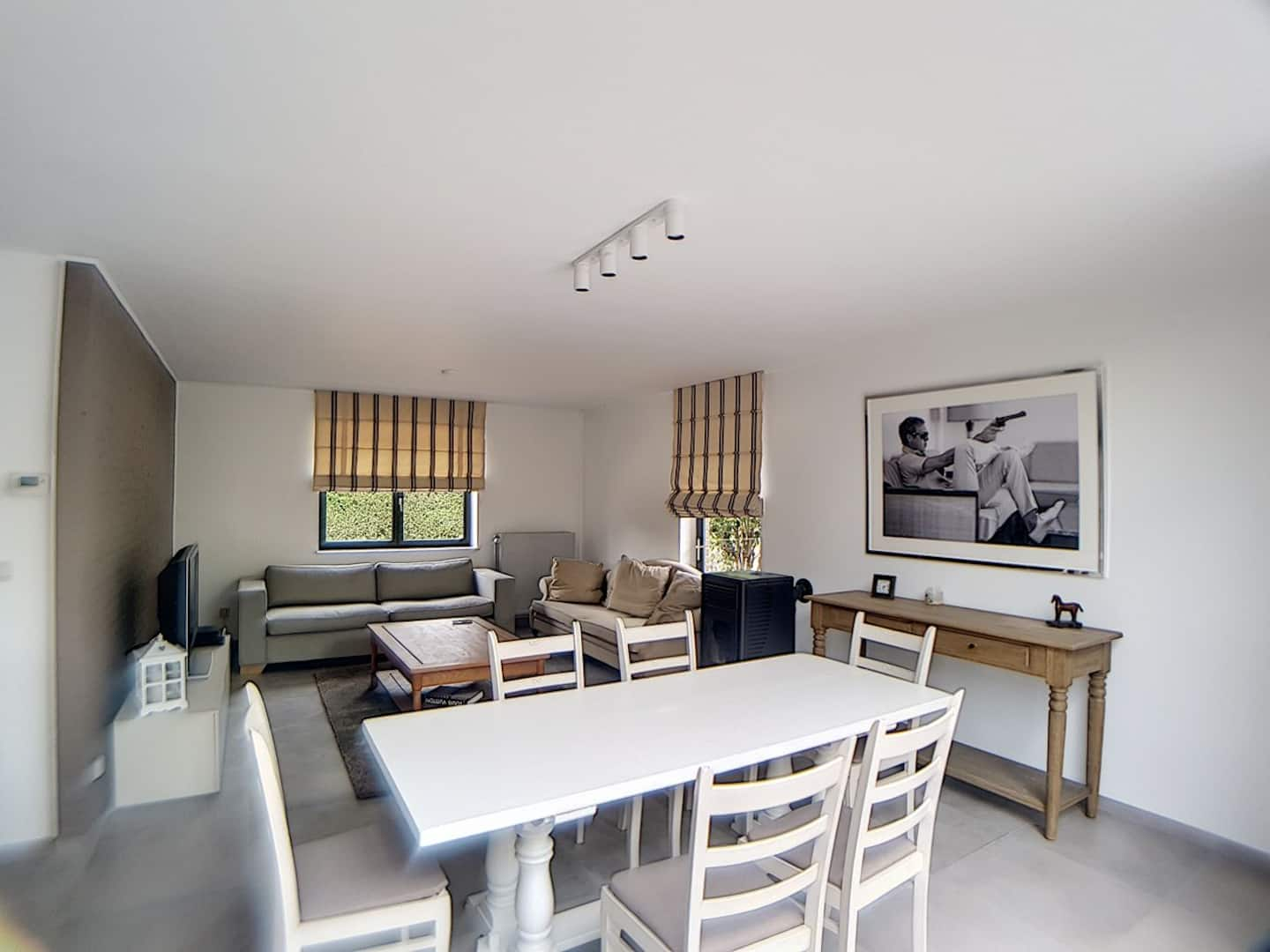
A furnished house or apartment designed for business group stays tends to be a better fit. It gives workers a functional place to live, not just sleep. That difference matters when assignments run for one month, three months, or longer.
Why hotels are often not the best fit
Hotels offer convenience at the start. Reception is available, the room is ready, and booking can be fast. But once a crew stays beyond a short assignment, the drawbacks become more visible.
The cost per person is usually much higher than shared furnished housing. Meals become another issue. If workers need to eat out every day because there is no equipped kitchen, daily expenses rise quickly. Laundry, parking, and room availability can add more pressure, especially in busy project periods.
There is also the human side. A worker staying in a small hotel room for several weeks has little privacy beyond the bed and bathroom, but also no real shared living space. For crews working long shifts, that setup can feel restrictive.
This does not mean hotels are never appropriate. For short emergency deployments, late arrivals, or a very small team, they can still make sense. But they are rarely the most efficient long-stay solution for group workforce housing.
What to look for in crew housing
The first requirement is occupancy that matches the team size. This sounds obvious, but many companies end up combining several small units because they cannot find one property built for groups. That creates transport issues, separate check-ins, and more administration.
The better option is accommodation structured for work teams from the start. Houses and apartments with capacity for six to sixteen people are often far easier to manage than scattered individual rooms. A shared setup keeps the team together and simplifies logistics.
The second requirement is turnkey readiness. Furnished means more than a bed and a sofa. For business use, accommodation should include equipped kitchens, practical furniture, working Wi-Fi, utilities, and immediate usability from day one. If the company still needs to organize internet, cookware, or service activation, the housing is not really ready.
The third requirement is contract flexibility. Project timelines change. Start dates move. Assignments get extended. The best accommodation for work crews should support medium-term rental periods without creating unnecessary friction each time plans change.
Cost control is about more than the nightly rate
A low nightly rate can be misleading. Companies that compare housing only by headline price often miss the operational cost around it.
For example, if workers are housed far from the site because the rate is lower, travel time increases. That affects fuel, transport coordination, and worker fatigue. If a property has no kitchen, meal spending rises. If invoicing is fragmented across different hosts or platforms, accounting workload increases too.
The more useful comparison is total monthly cost against total operational value. That includes rent, utilities, internet, furnishing, commute practicality, and admin simplicity. A fully equipped corporate rental often delivers better overall value because it reduces extra costs that appear outside the room rate.
This is one reason many employers shift from hospitality-style booking to furnished company housing for longer assignments. It is easier to forecast, easier to approve internally, and easier to scale when more workers need to be deployed.
Location matters, but not in the same way as leisure travel
For work crews, the best location is the one that supports the job. That usually means reasonable access to project sites, industrial zones, logistics routes, or transport hubs. It does not need to be in the middle of a tourist district.
In fact, a central location can be less practical if it creates parking issues, longer van access times, or higher rent without helping daily operations. Many business clients benefit more from housing that is well positioned for work mobility rather than city-center visibility.
It also helps to think ahead. If the team rotates, if supervisors visit, or if supply runs happen regularly, the accommodation should support those movements. A property that looks fine for a single resident may not work well for a full crew with vehicles and equipment.
Comfort still matters on a work assignment
Some companies treat worker housing as a pure cost line. That approach usually becomes expensive in other ways. Poor housing quality can lead to complaints, lower morale, and avoidable tension during already demanding assignments.
Comfort does not mean luxury. It means enough space, clean and practical interiors, reliable internet, proper sleeping arrangements, and the ability to cook, rest, and maintain a routine. When workers are staying away from home for extended periods, these basics have a direct effect on how sustainable the assignment feels.
There is also a retention angle. Employers who consistently arrange decent housing are easier to work for, especially in sectors where skilled labor is mobile. Good accommodation supports project continuity because people are more willing to stay through the full term.
Administration can make or break the process
One of the most overlooked factors in choosing crew housing is administrative simplicity. Procurement teams and office managers do not just need beds. They need clear terms, professional invoicing, responsive communication, and a provider that understands business timelines.
This is where many informal rentals fall short. A private landlord may have suitable space, but not the processes needed for corporate use. Delayed replies, unclear charges, and inflexible arrangements create extra work at exactly the moment the company needs speed and certainty.
A provider focused on company accommodation usually solves that problem by bundling the essentials into one operational offer. That means furnished units, utilities, Wi-Fi, and invoicing handled in a business-friendly format. For companies managing several workers at once, that simplicity has real value.
Belga Promo is built around that model, with furnished group accommodation in Belgium designed specifically for companies that need to place workers quickly and keep the process straightforward.
When shared housing is the best choice
Shared houses or large apartments are often the strongest option when crews are on the same project, schedule, or site area. They reduce cost per person and make transport planning easier. They also create common space for meals and downtime, which helps on longer stays.
That said, shared housing is not always the right answer for every team. If roles are very senior, schedules are split between day and night shifts, or privacy requirements are higher, separate units may be more suitable. The best accommodation for work crews depends on the team structure as much as the budget.
A practical provider should be able to align the housing format with the real use case instead of forcing every booking into the same model.
How to choose with fewer mistakes
Start with the basics: team size, location needs, start date, expected duration, and whether the crew needs one shared property or multiple units. Then look closely at what is actually included. Furnishing, kitchen equipment, Wi-Fi, utilities, and invoicing should be confirmed upfront, not assumed.
It also helps to ask one operational question early: if the project extends, can the housing extend too? That single point often separates workable accommodation from short-term fixes.
The right housing should reduce coordination, not add to it. If the setup is easy to occupy, easy to budget, and practical for daily work life, you are usually looking at the right option.
Good crew accommodation supports the project long before anyone notices it. That is usually the clearest sign you chose well.