
A team can tolerate a basic room for a night. For a six-week installation, maintenance shutdown, or relocation assignment, basic is not enough. The best amenities for worker accommodation are the ones that remove daily friction: a proper place to sleep, cook, wash clothes, work online, park, and recover between shifts. For employers, they also need to support predictable costs and simple administration.
Hotels can work for short stays or small groups. Once a project runs for weeks or months, a furnished house or apartment is often the more practical option. The goal is not to provide luxury. It is to give employees a reliable, ready-to-live-in base that helps them arrive prepared for work.
Best amenities for worker accommodation: start with daily living
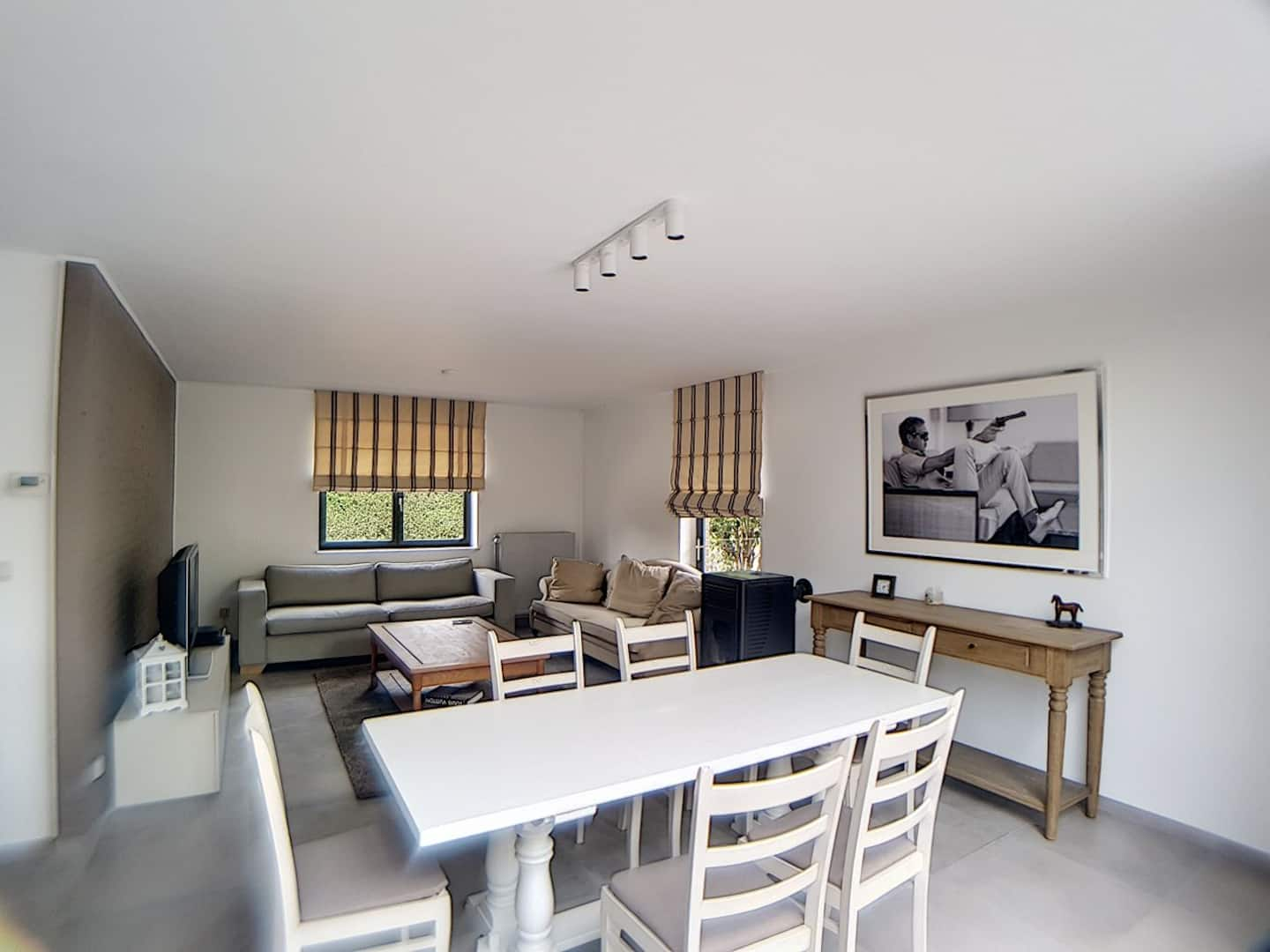
The essentials should be in place before the first team member arrives. A furnished property should have real beds, seating, dining space, storage, and a functional bathroom for the number of occupants. Overcrowded living arrangements create unnecessary tension, especially when employees work different schedules or spend extended time away from home.
Sleeping arrangements deserve closer attention than they often receive. Individual beds, clean bedding, adequate wardrobe space, and enough bathrooms help workers rest properly and maintain privacy. A property that looks suitable on paper can become difficult to manage if six or more people are sharing too few facilities.
An equipped kitchen is equally central. Employees on medium-term assignments should be able to prepare meals, store groceries, and eat together without relying on restaurants every day. A refrigerator, oven or stovetop, microwave, cookware, dishes, and basic food storage are practical requirements. For companies, this can reduce meal expenses and make the accommodation feel far more sustainable over a longer assignment.
A separate living area also matters. Workers need somewhere other than their bedroom to eat, make calls, relax, or spend time off duty. In group accommodation, shared space is not an extra. It is part of making a multi-person stay workable.
Connectivity and utilities should be included
Fast, dependable Wi-Fi is now a standard business requirement, not a premium feature. Teams use it to receive schedules, access work systems, communicate with family, complete training, and manage travel logistics. Weak or uncertain internet creates problems that are easy to avoid by confirming the connection before booking.
Utilities should also be clear from the outset. Electricity, heating, water, and internet are easier to manage when included in one agreed monthly price. This avoids employees paying bills on arrival, companies chasing reimbursements, or unexpected charges appearing during a project.
For corporate housing, all-inclusive pricing has a direct operational benefit. Procurement and finance teams can budget against a known monthly accommodation cost rather than reconcile a mixture of hotel bills, utility statements, deposits, and individual employee expenses. The exact arrangement can vary by property and length of stay, but the inclusions should always be explicit.
Laundry, parking, and location affect the real cost of a stay
Laundry facilities are one of the most valuable amenities for employees staying more than a few nights. A washing machine, drying option, and space to store work clothing reduce the need for off-site laundromats and give workers more control over their routine. This is particularly useful for technical, industrial, and construction teams whose clothing may need frequent washing.
Parking can be just as important. If workers travel in company vehicles, vans, or personal cars, confirm that parking is available and practical for the size of the group. Free or on-site parking may be more valuable than a slightly lower rental rate in a location where daily parking is difficult or expensive.
Location should be assessed against the project site, not just the city name. A property near a major route, industrial zone, rail connection, or client facility can save significant time across a team over several months. Check realistic travel times at shift-change hours, access for larger vehicles where relevant, and the distance to supermarkets and everyday services.
The right location depends on the assignment. A central apartment may suit a small team without vehicles. A larger house with parking and straightforward road access may be better for technicians serving a site outside the city center. Accommodation decisions work best when the property supports how the team will actually travel and work.
Amenities that support group occupancy
Housing for six to 16 people has different requirements than an apartment for one employee. Capacity is only one part of the decision. Companies should ask how the sleeping rooms are organized, how many bathrooms are available, whether the kitchen can handle group use, and whether communal areas are sized appropriately.
For larger groups, the following details are worth confirming before signing a rental agreement:
- The number of individual beds and how they are distributed across bedrooms
- The number of bathrooms and toilets available to the group
- Kitchen equipment, refrigerator capacity, and dining seating
- Laundry access and the expected use of shared facilities
- Parking availability for cars, vans, or service vehicles
- Wi-Fi coverage throughout the property, not only in one room
These are not minor comfort points. They affect punctuality, morale, and the likelihood that a team will remain settled throughout the assignment. A property that is well configured for groups reduces the day-to-day questions that otherwise land with the site manager or HR team.
Flexible terms and clear invoicing are business amenities
Some of the best amenities are not physical features of the property. They are the service terms that make workforce accommodation easier to operate. Project dates can move. Headcount can change. A company may need housing for one month, then extend for several more. Flexible rental periods are valuable because they allow housing to follow the project rather than force the project team into a poor fit.
Company invoicing is another practical requirement. The accommodation provider should be able to invoice the business directly and present charges in a format that supports internal approval and cost allocation. This is preferable to asking individual workers to pay, submit expenses, and wait for reimbursement.
Fast availability and responsive contact support are also important when a client confirms a project at short notice. The best provider is not simply the one with a vacant property. It is the one that can confirm capacity, inclusions, terms, and move-in requirements quickly enough for operations to proceed.
At Belga Promo, this means providing fully furnished, equipped accommodation for professional teams in Belgium, with practical group capacity, included essentials, and rental terms designed for medium-term stays.
How to prioritize amenities by assignment length
For stays of one to two weeks, location, Wi-Fi, beds, and basic kitchen access may be the priority. For stays of one to three months, laundry, storage, full cooking facilities, living space, and clear utility arrangements become much more significant. For longer placements, the quality of the neighborhood, commuting route, and property layout can have as much impact as the monthly rate.
Do not pay for amenities the team will not use, but do not underestimate the cost of missing essentials. A cheaper property without parking, laundry, or usable kitchen facilities can create higher travel, food, and administrative costs over time. The best value comes from matching the property to the group size, assignment duration, transport needs, and working pattern.
Before requesting a quote, prepare the move-in date, expected duration, number of people, preferred location, vehicle needs, and any shift-related requirements. With those facts in hand, it is much easier to identify accommodation that supports the job from day one.
The right worker housing should let your team focus on the project, not on solving avoidable living and logistics issues after arrival.