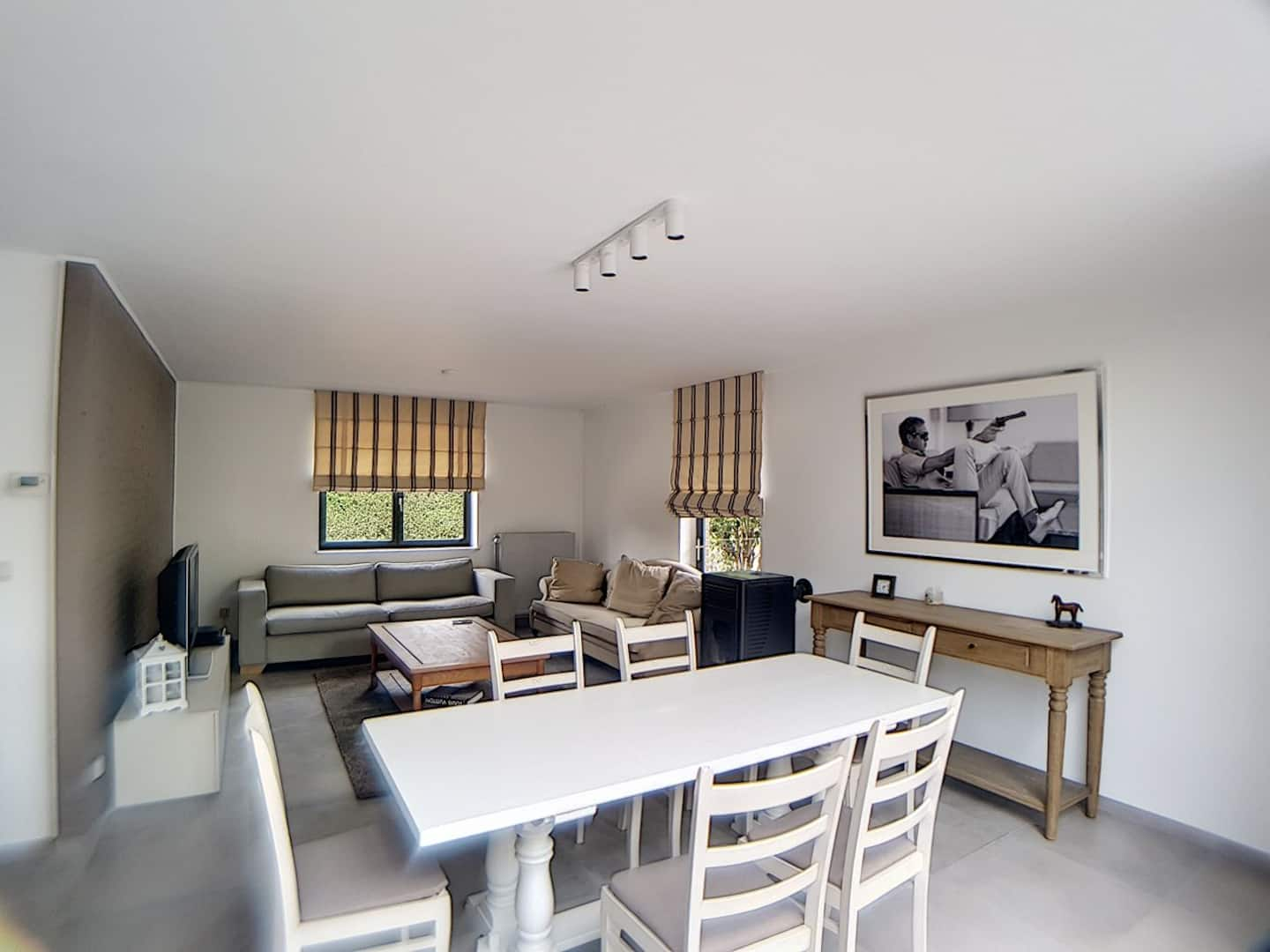

A project can be fully staffed, on schedule, and properly supplied, yet still lose time and money because the team has nowhere suitable to live. Project crew accommodation is not simply a place to sleep. For companies deploying technicians, contractors, installers, or site personnel in Belgium, it is part of the operational plan.
When a team is booked into scattered hotel rooms, everyday logistics become harder. Workers have limited space to rest, cook, do laundry, and prepare for the next shift. Managers must handle multiple reservations, changing rates, separate invoices, and availability issues. For stays lasting several weeks or months, that model rarely provides the best balance of cost, comfort, and control.
A furnished house or apartment set up for professional teams offers a more practical alternative. It gives employees a ready-to-live-in base near the job site while giving the employer a clearer accommodation process.
What Project Crew Accommodation Should Include
Crew housing needs to work from the first day of arrival. A property may look suitable in photographs, but the operational details determine whether it supports a team or creates additional work for the site manager.
The starting point is capacity. Group accommodation should be sized for the actual crew, with enough bedrooms, bathrooms, living space, and kitchen capacity for daily use. A house for six people has very different requirements from accommodation for 12 or 16 workers. Before booking, confirm not only the maximum occupancy but also how the sleeping arrangements fit the composition of the team.
A fully furnished property removes the need to organize beds, tables, appliances, or basic household items. An equipped kitchen matters just as much. Teams on early shifts, rotating schedules, or sites outside city centers need the option to prepare meals when restaurants are closed or impractical. A refrigerator, cooking equipment, cookware, dishes, and adequate dining space are working requirements, not extras.
Reliable high-speed Wi-Fi is equally necessary. Employees may need to check schedules, communicate with supervisors, complete training, submit reports, or stay in touch with family after work. Utilities should be included or clearly defined in advance so the company can budget without unexpected charges.
For medium-term assignments, laundry facilities and practical storage are also worth checking. Small details have a direct effect on employee wellbeing over a stay of one month or more.
Why Hotels Become Less Suitable for Longer Projects
Hotels can be useful for a short stopover, an unexpected deployment, or a one-person business trip. They are less efficient when a full crew needs to remain in one location for an extended period.
The cost structure is one concern. Nightly hotel rates can become difficult to justify over several months, particularly when multiple employees need separate rooms. Breakfast, parking, laundry, and meals can add further expense. A furnished team property usually provides more predictable monthly budgeting because the essential living costs are grouped into one arrangement.
Space is another issue. A hotel room offers privacy, but it does not provide a shared base for the team. In a house or larger apartment, workers can cook, eat, and spend downtime in common areas rather than being limited to their rooms. That can make a meaningful difference for crews working long hours away from home.
Administration also becomes simpler with corporate housing. Instead of processing individual reservations and receipts, the company can receive one invoice for the accommodation. This is especially useful for procurement teams, operations managers, and HR departments that need a clear record of project costs.
Hotels are not always the wrong choice. If the assignment is only a few nights, if crew numbers are uncertain, or if the site location changes daily, hotel flexibility may be valuable. For stable projects lasting from one month onward, furnished group accommodation is often the more practical option.
Choosing the Right Location for a Working Team
The best accommodation is not necessarily in the center of the nearest city. The right location depends on the job site, shift schedule, transport requirements, and type of work being performed.
For industrial, construction, logistics, and installation projects, proximity to the site or major road connections may be more valuable than access to tourist areas. A property that saves 30 minutes of travel in each direction can reduce daily fatigue, lower transportation complexity, and improve punctuality across the crew.
Before confirming a property, consider the daily route. Ask whether parking is available or practical for company vehicles, vans, and work equipment. Check travel times during the hours when the team will actually commute, not only in light traffic. For international crews, access to airports, rail stations, or main highways may also matter when personnel rotate in and out.
It is also sensible to think beyond the workday. Nearby supermarkets, fuel stations, pharmacies, and basic services help employees settle quickly. A convenient location reduces the number of small problems that otherwise end up on a manager's desk.
Match the Property to the Crew Profile
There is no single setup that fits every project team. A group of senior engineers on a planning assignment may need quieter accommodation with individual work areas. A crew of technicians working fixed shifts may prioritize parking, kitchen capacity, and easy access to the site. A mixed team may require a specific bedroom layout or additional bathroom capacity.
Be clear about the team's headcount, expected stay, work patterns, vehicle needs, and any non-negotiable requirements before requesting options. This allows the housing provider to recommend properties that fit the assignment rather than offering generic availability.
If the workforce may grow, ask about flexibility from the beginning. Moving a team halfway through a project is disruptive. In some cases, reserving accommodation with some additional capacity is the better decision, even if the initial cost is slightly higher.
Control Costs Without Reducing Worker Comfort
Cost control does not mean choosing the lowest nightly rate. It means understanding the full cost of housing the crew throughout the assignment.
A useful comparison includes rent, utilities, Wi-Fi, furniture, kitchen equipment, parking, laundry, cleaning expectations, administration time, and employee meal costs. A lower-priced empty property can quickly become more expensive when the company must furnish it, activate utilities, arrange internet service, and coordinate multiple suppliers.
All-inclusive furnished accommodation makes the monthly cost easier to forecast. This is valuable when project budgets must be approved in advance or charged to a specific client contract. It also reduces the chance that a project manager is asked to solve household issues outside their normal responsibilities.
Comfort should remain part of the calculation. Employees who have a functional kitchen, adequate sleeping arrangements, internet access, and room to decompress are better positioned to maintain a sustainable routine. This is not a luxury issue. It supports attendance, morale, and continuity on assignments where skilled workers are difficult to replace.
Make the Booking Process Operationally Simple
The fastest accommodation solution is one that gathers the right information early. A company should be ready to provide the project location, arrival date, expected duration, number of occupants, preferred property type, and parking requirements. If there are specific needs around invoices, contract terms, or crew composition, raise them at the start.
Availability can change quickly, especially for larger properties suitable for groups. Early planning provides more choice, but providers should also be able to respond quickly when a project start date moves forward or a client confirms work at short notice.
Contract flexibility matters because project schedules are not always fixed. Some assignments extend due to construction delays, additional scope, commissioning work, or staffing changes. Others finish earlier than expected. Review the rental term, notice conditions, extension process, and included services before signing. A clear agreement protects both the company and the accommodation provider.
Company invoicing is another point that should be straightforward. The invoice should support the company's internal accounting requirements and make it easy to allocate costs to the relevant project, department, or client. For international firms placing teams in Belgium, having a responsive contact who can communicate clearly in the required language can prevent unnecessary delays.
A Better Base for the Work Ahead
Well-organized crew housing gives a project team more than an address. It gives them a reliable base between shifts, while the employer gains predictable costs, fewer administrative tasks, and a practical solution that can scale with the work.
Belga Promo provides furnished houses and apartments in Belgium for groups of six to 16 people, with equipped kitchens, Wi-Fi, utilities, flexible rental periods, and company invoicing. The right property depends on the project, but the decision becomes easier when accommodation is treated as a working part of the deployment plan, not a last-minute booking task.