A project can be ready to start while the accommodation plan is still creating delays. When technicians, contractors, or relocated employees need to be on site for weeks or months, temporary staff lodging must do more than provide beds. It needs to give the team a practical place to live, keep costs predictable, and remove unnecessary work from operations and HR.
For companies deploying staff in Belgium, a furnished house or apartment designed for group occupancy is often a more workable option than booking a series of hotel rooms. The right choice depends on team size, assignment length, location, and the level of support required. But for medium-term stays, the operational advantages are clear.
Why hotels become difficult for longer assignments
Hotels can work well for a short visit, an emergency overnight stay, or a small management team. They become less efficient when several employees need accommodation for a month or more. Room-by-room bookings create scattered reservations, changing rates, separate meals, and repeated administrative work.
A hotel room also gives workers limited space to recover after a shift. There may be no proper kitchen, no shared living area, and little opportunity for a team to organize daily routines. For employees working long hours on industrial sites, construction projects, technical installations, or maintenance contracts, those details affect comfort and morale.
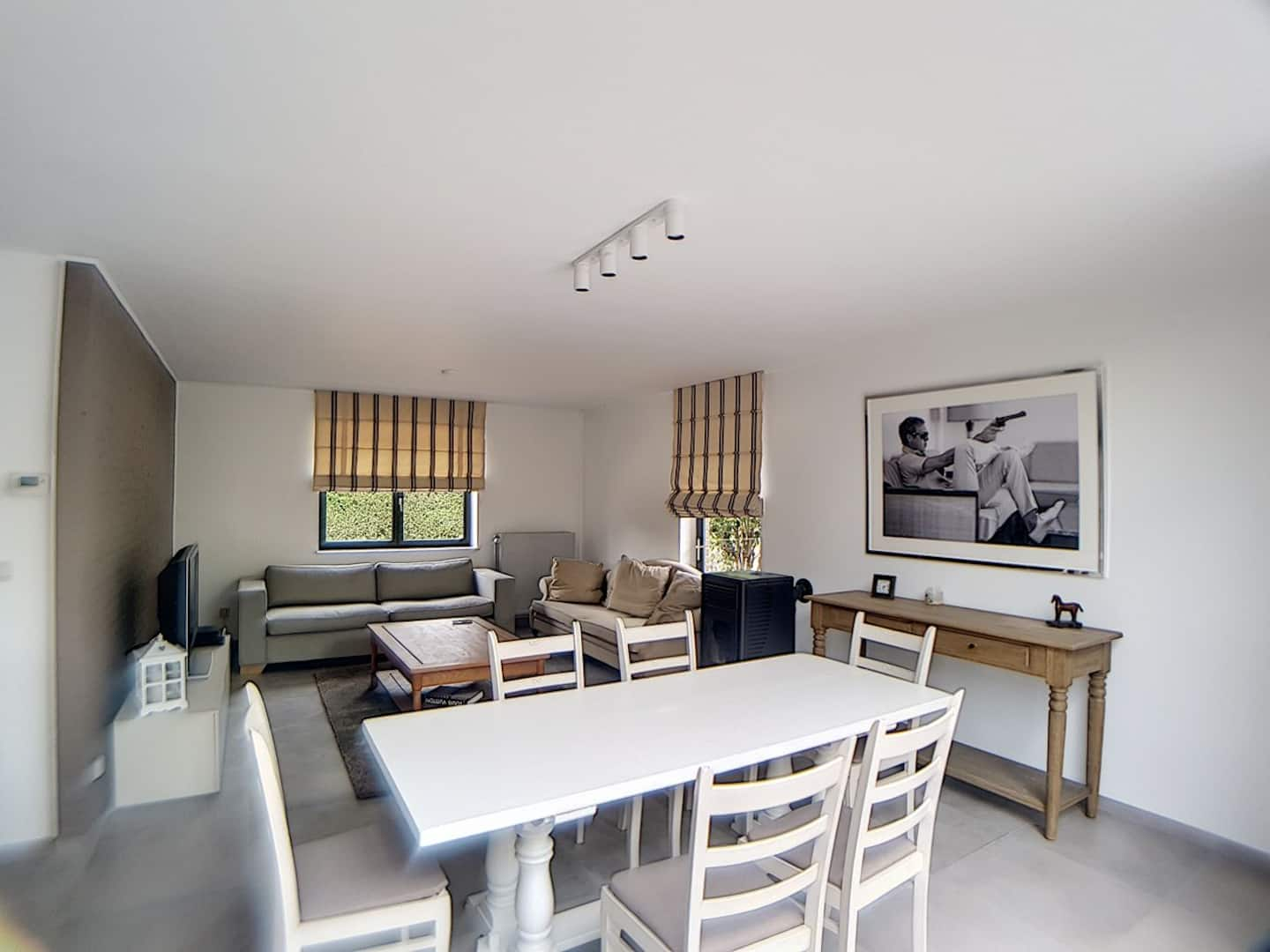
Temporary staff lodging built for teams changes the setup. A furnished property can provide bedrooms, living areas, a fully equipped kitchen, laundry facilities, Wi-Fi, utilities, and space for colleagues to stay together. Rather than managing multiple hotel confirmations, the company manages one accommodation solution.
The savings are not only measured in nightly rates. They also come from fewer administrative steps, less travel between properties, reduced meal expenses, and a more stable arrangement for the duration of the assignment.
What a workable corporate housing solution includes
A property is only useful if employees can move in and operate normally from the first day. For project teams, “furnished” should mean more than a bed and a table. It should mean ready to live in without a separate shopping list, utility setup, or internet installation.
A practical corporate housing package generally includes furniture, equipped kitchens, high-speed Wi-Fi, utilities, and company invoicing. These inclusions matter because they turn a rental property into an operational solution. The site manager does not need to arrange electricity accounts, and the employees do not need to wait for an internet connection before they can communicate with family or complete work-related tasks.
Accommodation capacity should also match the actual deployment plan. Houses and apartments that can host groups of 6 to 16 people are particularly useful when a company wants to keep a crew in one location. This can simplify transport planning, shift coordination, and day-to-day communication.
Privacy still matters. A shared property works best when sleeping arrangements are clear and the home has enough bathrooms, storage, and common space for the size of the team. The lowest monthly price is not automatically the best value if overcrowding leads to complaints, turnover, or requests to move staff midway through a project.
Location should support the work, not just the address
The right location is usually defined by the project site, transport routes, and shift schedule. A lower-cost property far from the workplace can create expensive daily travel and reduce rest time for workers. This is especially relevant for early starts, rotating shifts, and jobs that require reliable access to industrial zones or major Belgian cities.
Before reserving accommodation, establish the maximum acceptable commute, parking requirements, public transit needs, and whether the team will use company vehicles. Also consider access to supermarkets, pharmacies, and other everyday services. Employees staying for several months need a functioning daily routine, not simply a place to sleep.
For international employers, local support can make a material difference. A responsive contact who can communicate clearly and deal with practical questions helps prevent small accommodation issues from turning into operational problems.
How to plan temporary staff lodging efficiently
The fastest way to secure suitable housing is to provide complete requirements at the beginning. Vague requests such as “housing near Brussels” or “rooms for a few workers” often lead to unsuitable options and unnecessary back-and-forth.
Start with the arrival and departure window, including whether dates may move. Then confirm the number of employees, preferred bedroom setup, project location, transportation needs, and expected length of stay. If the team may expand or reduce during the project, state that early. Flexibility may be available, but it is easier to build into the arrangement before move-in.
Companies should also decide who is responsible for accommodation communication. A single contact from HR, procurement, or the site team keeps instructions consistent and avoids conflicting requests. This person should be able to confirm headcount changes, report issues, and approve extensions.
A clear request should cover these operational points:
- Number of occupants and any planned changes in headcount
- Move-in date, estimated end date, and extension possibility
- Project location and acceptable commute time
- Bedroom, parking, and transport requirements
- Company billing details and the designated accommodation contact
This information allows the housing provider to recommend properties based on actual use, rather than just availability.
Budgeting beyond the monthly rent
When comparing accommodation options, companies should compare the total monthly cost, not only the advertised rental amount. A lower base rent may exclude utilities, internet, furnishings, cleaning, parking, or administrative charges. Those extras can make budget forecasting difficult, particularly when several workers are involved.
An all-inclusive monthly arrangement gives procurement and finance teams a clearer number to work with. It is easier to allocate costs to a project, reconcile invoices, and explain accommodation spend to a client. One company invoice also reduces the administrative burden of collecting hotel receipts or reimbursing individual employees.
There are trade-offs. A property with a larger capacity may lower the cost per person but require more coordination around shared spaces. A centrally located home may cost more than one farther from the city center, while reducing commute time and transport expenses. The best choice depends on which cost has the greatest impact on the project.
For longer assignments, contract flexibility deserves the same attention as the price. Projects can run over schedule, staffing levels can change, and site conditions can affect planned completion dates. Housing arranged for one month to 12 months or longer should have terms that reflect the reality of workforce deployment, not an inflexible leisure rental model.
Worker comfort is an operational issue
Comfort is sometimes treated as a secondary consideration when teams are sent away for work. In practice, it has direct consequences for attendance, retention, and project continuity. Workers who can cook meals, sleep properly, do laundry, and relax in a shared living space are better positioned to maintain a sustainable routine.
This does not require luxury accommodation. It requires a clean, functional, well-equipped property that respects the basic needs of people working away from home. Reliable Wi-Fi is part of that standard, especially for international staff who need to stay in contact with family and manage personal matters outside working hours.
Group accommodation can also support team cohesion, but it should not feel like temporary barracks. The right balance is shared convenience with enough individual space. For a smaller senior team or a mixed group with different schedules, separate apartments may be more appropriate than one large house. For a crew working the same shifts, a larger shared property can be more efficient.
A practical option for Belgian workforce deployments
Companies do not need to treat employee accommodation as a series of short-term travel bookings. For teams assigned to Belgium, furnished corporate housing provides a more controlled way to house workers for medium and extended stays.
Belga Promo provides fully furnished, fully equipped houses and apartments for professional teams, with group capacities and rental terms designed around project work. The focus is straightforward: accommodation that is ready for occupancy, easier to administer, and suitable for the day-to-day reality of staff living away from home.
The most effective lodging plan is the one that lets your team arrive, settle in, and focus on the work from the first day.