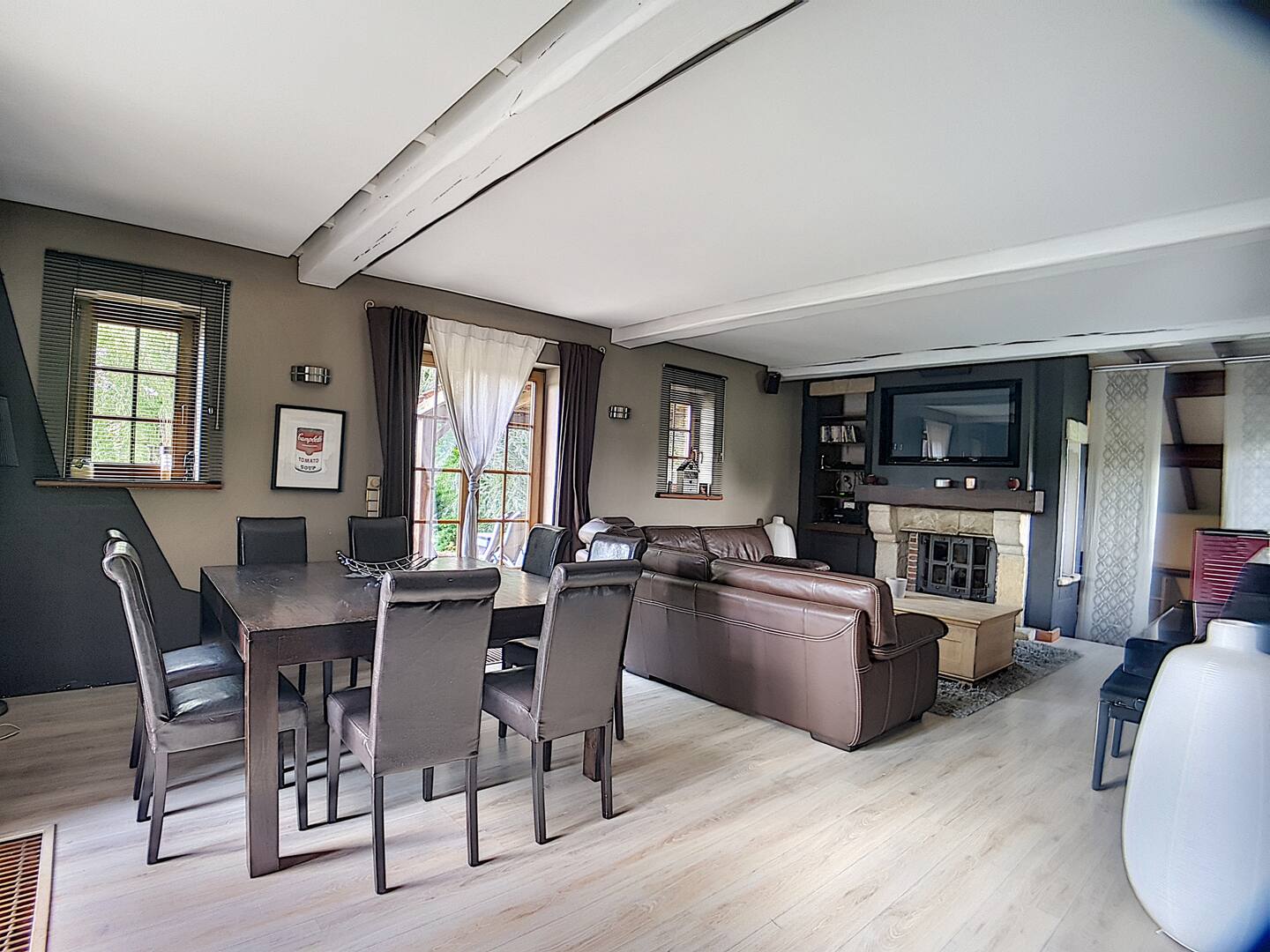
A technician arriving for a six-week installation does not need a stylish hotel lobby. They need a bed that supports real rest, a kitchen that works, reliable Wi-Fi, parking that makes sense, and a location that keeps daily travel under control. That is what the best housing for technicians should solve from day one.
For companies, the housing decision is operational, not cosmetic. If accommodation is too far from the site, too expensive to extend, or too fragmented across multiple bookings, it creates friction that shows up in payroll, transport costs, scheduling, and worker satisfaction. The right setup lowers admin time, gives teams a stable base, and makes temporary assignments easier to manage.
What the best housing for technicians actually needs to provide
Technicians have different housing needs than leisure travelers or short-stay business guests. In most cases, they are working long days, traveling with tools or equipment, and staying for weeks or months rather than nights. That changes the standard completely.
A useful property starts with functionality. Bedrooms need to be comfortable enough for recovery, but shared living areas matter just as much. Teams need space to eat, unwind, and manage a routine. An equipped kitchen reduces meal costs and gives workers more control over their schedule. Laundry access matters quickly on longer stays. High-speed internet is not optional when teams need to check plans, send reports, or stay in touch with supervisors and family.
Location is equally practical. Housing near industrial zones, transport routes, or project sites saves time every day. A cheaper property that adds a long commute often costs more in the end. When managers compare options, they should look beyond the nightly or monthly rate and assess total operational impact.
Hotels are rarely the best housing for technicians
Hotels can work for very short assignments, especially for one or two people on a brief visit. But once the stay becomes multi-week or team-based, the limits become obvious.
First, the cost structure is usually poor for longer deployments. Booking several hotel rooms for a crew over one or two months adds up quickly, especially when meals, parking, and laundry are handled separately. Second, hotels are built around individual occupancy. They do not give teams a shared base where workers can live more normally. Third, extending a hotel stay or coordinating multiple arrivals and departures can turn into an administrative burden.
That is why many companies move toward furnished corporate housing instead. For technicians, it is simply a better match. It combines the immediate usability of a short-term stay with the space and practicality needed for real work assignments.
Why furnished group housing works better
Furnished houses and apartments built for company use solve several problems at once. They are ready to occupy, which matters when project timelines change quickly. They support group stays, which helps managers keep teams together rather than scattered across different addresses. And they usually come with predictable monthly pricing, making budgeting easier.
This model is especially effective for installation teams, maintenance crews, shutdown staff, contractors, and technical specialists working on temporary assignments in Belgium. A fully equipped property gives them a stable base without requiring the employer to arrange furniture, utilities, internet, or household setup.
The operational value is simple. One housing solution, one invoice, one point of contact, and one place where the team can settle in immediately.
The key factors to compare before booking
When evaluating technician accommodation, companies should focus on fit rather than generic quality ratings. A polished property listing tells you very little if the layout or contract terms do not support the assignment.
Capacity and room layout
The first question is whether the property can accommodate the team properly. A house for six people may be efficient for one crew and completely unsuitable for another. Room layout matters as much as total capacity. Managers should check how many bedrooms there are, whether workers will share rooms, and whether the common spaces are large enough for group use.
For some projects, keeping a team under one roof improves coordination and transport planning. In other cases, splitting teams across two nearby units may offer more privacy and better rest. The right answer depends on crew size, shift structure, and assignment length.
Included amenities
The best housing for technicians should remove setup work. That usually means furniture, equipped kitchens, internet, utilities, and household basics are already included. If these elements are missing or handled separately, the apparent savings can disappear fast.
Parking is another point that should be checked early. If workers travel by van or car, practical access is part of the housing value. The same goes for laundry facilities, which become essential on longer stays.
Contract flexibility
Project schedules change. Delays happen. Extensions happen too. A rigid rental agreement can create problems if the deployment shifts by two weeks or two months. Flexible contract terms are often worth more than a lower price on paper.
This is one of the strongest arguments for medium-term corporate housing. It is structured for business reality, where workforce planning is rarely fixed from the start.
Invoicing and administration
Housing should simplify company operations, not create more paperwork. Centralized invoicing, clear contract terms, and fast communication save time for HR, procurement, and operations teams. If your staff has to manage separate utility accounts, collect multiple receipts, or coordinate with different landlords, the process becomes inefficient.
For international companies placing staff in Belgium, this matters even more. A straightforward, company-ready rental setup reduces friction immediately.
Cost control is about more than rent
Housing decisions are often compared on price alone, but that can lead to the wrong choice. The cheaper option is not always the more economical one once transport, meal costs, admin time, and worker downtime are included.
A furnished group property with an equipped kitchen, included utilities, and room for a full team often delivers better total value than booking several hotel rooms. Teams can cook, rest properly, and stay closer to the work location. Managers can forecast costs more accurately because the monthly structure is clearer.
This predictability is useful for both planned assignments and urgent deployments. It supports budgeting and reduces the risk of accommodation costs drifting upward mid-project.
Comfort matters because performance does
Worker housing is not only a logistics issue. It affects recovery, morale, and day-to-day reliability. When technicians are staying away from home for weeks, poor accommodation can lead to fatigue, frustration, and avoidable disruption.
Comfort in this context is practical, not luxurious. It means enough space, a decent sleeping environment, privacy where possible, and a living setup that feels manageable over time. Teams perform better when the basics are right. They are also more likely to accept repeat assignments when housing is handled well.
For employers, that makes accommodation part of workforce retention and site performance. It is not a side issue.
Best housing for technicians by assignment type
Not every technician stay looks the same, so the right housing setup depends on the work.
For short technical interventions, a smaller furnished apartment may be enough if the team is limited and the stay is only a few weeks. For larger installation or maintenance projects, group houses are usually more efficient because they allow a full crew to stay together with shared facilities.
For rotating teams or multi-phase projects, flexibility becomes the priority. You may need to add capacity, extend the term, or replace one crew with another without rebuilding the housing plan from scratch. In those cases, a provider focused on corporate occupancy is usually the safer choice.
Companies looking for the best housing for technicians in Belgium generally benefit most from fully furnished, all-inclusive properties designed for medium-term group stays. That is where the balance of cost, speed, and practicality tends to be strongest.
What to ask before you commit
Before confirming any property, decision-makers should clarify a few essentials: how many people can stay comfortably, what is included in the rate, how quickly the unit can be ready, what the minimum term is, and how extensions are handled. It is also worth confirming whether the provider is used to working with companies rather than private tenants.
That last point matters because workforce housing has different expectations. Response times, invoicing, occupancy planning, and contract flexibility all need to support business use. Providers that understand technician housing tend to solve issues faster because they are built around those requirements.
For companies that need a practical solution in Belgium, Belga Promo fits this model with furnished houses and apartments designed for team occupancy, all-inclusive pricing, and contract terms suited to temporary and extended assignments.
The best housing decision is usually the one that removes friction before your team even arrives. If the property is ready, the terms are clear, and the setup matches how technicians actually live and work, the assignment starts on stronger ground.