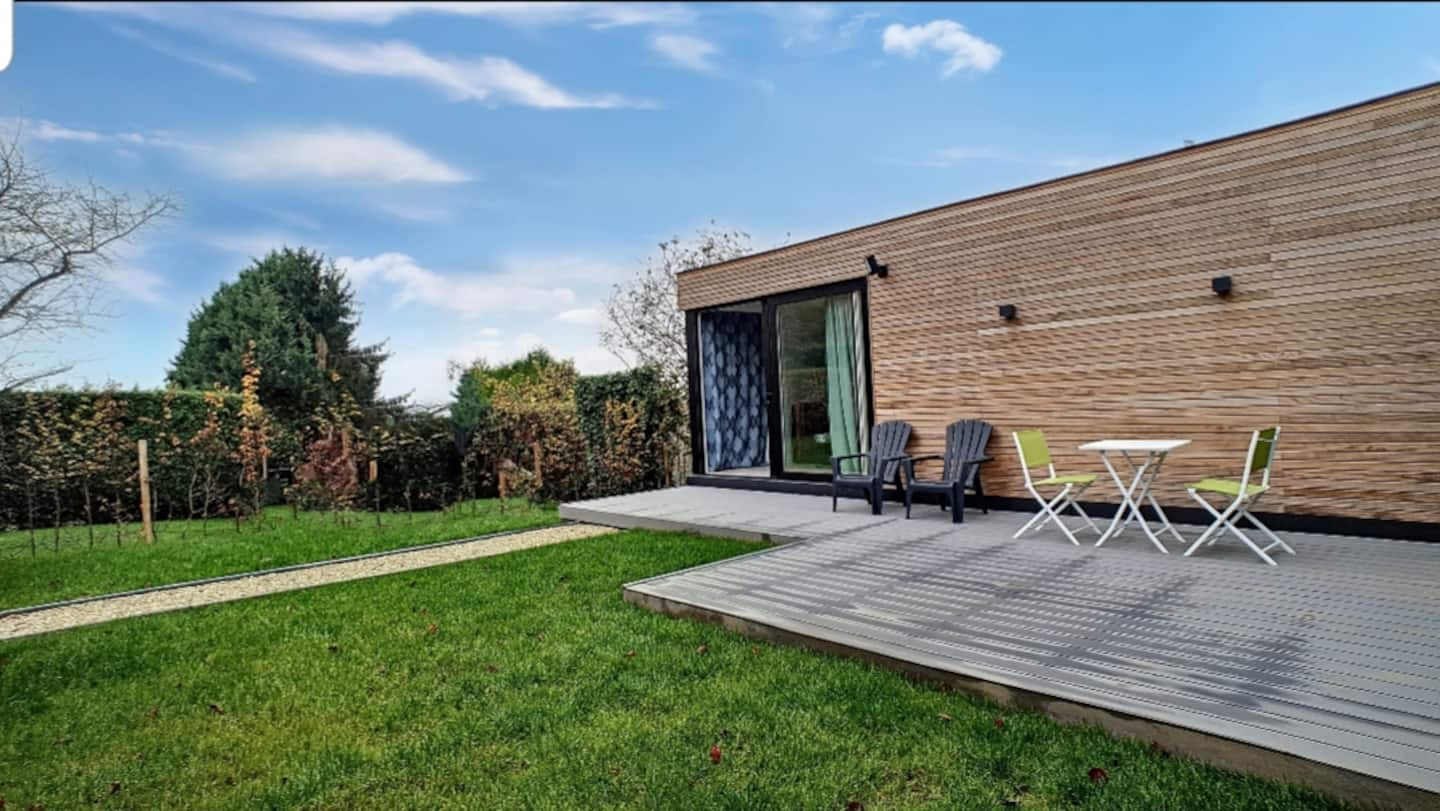
A project can be fully staffed and still lose time on its first day if the team arrives without practical housing. Knowing how to arrange crew rentals means treating accommodation as an operational requirement, not a last-minute travel booking. The right property gives workers a place to rest, cook, do laundry, and reach the job site reliably. The wrong one creates transport issues, unexpected costs, and unnecessary admin for the company.
For teams working in Belgium for one month or longer, furnished group accommodation is often a more practical option than booking separate hotel rooms. The process starts with clear project details, then moves quickly through location, capacity, budget, and contract requirements.
Start With the Crew's Actual Working Needs
Before requesting availability, define what the accommodation must support. A crew of six technicians on a four-week installation project has different needs from 14 contractors working rotating shifts for six months. Headcount matters, but it is only one part of the brief.
Confirm the number of occupants, expected arrival and departure dates, worksite address, and whether the team will need cars or vans. Ask whether any workers will join or leave during the assignment. A property that fits the first week may not work if the crew expands halfway through the project.
Sleeping arrangements also deserve attention. Teams may accept shared rooms on short assignments, while longer stays usually require more privacy. Consider the mix of supervisors, technicians, drivers, and subcontractors. A clear rooming plan avoids disputes after check-in and helps the housing provider recommend a suitable house or apartment.
It is also useful to identify daily routines. Early shifts, night work, and weekend schedules can affect the best location and property type. A team that starts at 6:00 a.m. needs a manageable route to the site, dependable parking, and enough kitchen and bathroom capacity to avoid a crowded morning schedule.
Choose a Location That Reduces Lost Time
A low nightly rate does not always mean low overall cost. If workers spend a long time commuting, pay for repeated transport, or struggle to find parking near the property, the apparent saving disappears quickly. For crew rentals, proximity to the project location and major access roads usually matters more than being in a city center.
Map the route between the accommodation and the worksite at the hours the crew will actually travel. Check access to highways, industrial zones, ports, rail connections, or public transportation when relevant. For teams using company vehicles, confirm that practical parking is available and that the route can accommodate vans.
There is a trade-off. Housing close to a high-demand worksite may cost more or have limited availability. A property slightly farther away can be the better choice if it has enough beds, parking, and a straightforward route. The goal is not simply to find the closest address. It is to create a reliable daily routine for the crew.
Match Capacity to Comfort and Compliance
When arranging crew rentals, avoid choosing only by maximum occupancy. A property advertised for 12 people may technically accommodate 12, but the practical fit depends on bedrooms, bathrooms, common areas, kitchen equipment, and laundry facilities.
Ask for a clear breakdown of the property. How many bedrooms are available? How many beds are in each room? How many bathrooms and toilets will the group share? Is there enough refrigerator space and seating for the number of workers staying there? These details have a direct effect on comfort, hygiene, and team morale during longer assignments.
For medium-term stays, a fully equipped kitchen is particularly valuable. It allows workers to prepare meals around shift schedules and reduces the expense of restaurant meals. Laundry facilities are equally important for crews in construction, maintenance, logistics, and industrial work. Without them, workers must spend time and money using outside services.
Belga Promo provides furnished houses and apartments designed for professional groups, generally accommodating six to 16 people. This kind of group-focused setup can reduce the complexity of coordinating many separate hotel bookings while giving workers a more functional living environment.
Request a Fully Clear Price, Not Just a Rent Figure
A predictable budget depends on understanding what is included. Some accommodation quotes show a base rent first, then add charges for utilities, internet, cleaning, linens, local taxes, parking, or administration. These additions can make cost forecasting difficult, especially when several properties or crew rotations are involved.
Request an all-inclusive or clearly itemized quote that states what the company will pay for the full rental period. At minimum, verify the treatment of furniture, equipped kitchen facilities, Wi-Fi, electricity, water, heating, and any service or administrative charges. Ask how the provider handles unusually high consumption, damage, final cleaning, and deposits.
Company invoicing is another practical factor. Procurement and finance teams need invoices that match internal cost centers, project references, VAT requirements, and agreed payment terms. Establish the billing contact and purchase order process before workers arrive. This prevents delays that can affect check-in or contract approval.
A monthly furnished rental often produces better cost control than hotels for stays of several weeks or months. The exact comparison depends on location, occupancy, and team requirements, but shared houses or apartments typically consolidate costs that would otherwise be spread across multiple rooms, meals, laundry bills, and individual bookings.
Confirm Contract Flexibility Before the Project Changes
Projects do not always follow the original schedule. A shutdown may end early, a construction phase may be extended, or an additional crew may be needed with little notice. The rental agreement should be clear about minimum duration, extension options, notice periods, and what happens if the team size changes.
For most crew housing arrangements, communicate the anticipated dates honestly while leaving room for operational changes. If there is a likely extension, mention it from the first inquiry. Providers can often plan availability more effectively when they understand the full project timeline rather than receiving short, repeated booking requests.
Review check-in and check-out procedures as well. A team arriving from abroad may need access outside standard office hours. Confirm who receives keys, what identification is required, how the property condition is documented, and whom the crew leader should contact if an issue arises. Multilingual communication can be especially helpful when the employer, site manager, and workers do not share the same first language.
Send a Complete Inquiry to Get a Faster Answer
A complete inquiry helps the housing provider check suitable options without repeated back-and-forth. Include the project location, number of people, preferred move-in date, estimated end date, vehicle requirements, and the name of the responsible company contact. State whether you need separate beds, specific room configurations, or accommodation for supervisors.
You should also explain the nature of the assignment in simple terms. A provider does not need confidential project details, but knowing whether the group is composed of installers, engineers, drivers, or office-based staff helps identify the right level of parking, space, and access. If the crew will work nights or rotate shifts, say so early.
Once a suitable property is offered, compare it against the operational brief rather than choosing on photos alone. Verify travel time, bed layout, included services, total monthly cost, and contract conditions. Assign one internal person to approve the final choice and communicate the property rules to the crew before arrival.
Prepare the Crew for a Smooth Move-In
The last step is simple but often overlooked: give workers the information they need before they travel. Share the full address, arrival instructions, contact number, parking guidance, Wi-Fi details if available, and rules for waste, smoking, guests, and property care. Appoint a crew lead who can report maintenance needs and coordinate with the accommodation contact.
Good crew housing should support the project quietly in the background. When the location is practical, the property is properly equipped, and the terms are clear, your team can focus on the work rather than on where they will sleep, eat, or park the next morning.