A project start date rarely moves just because housing is still unresolved. When a team needs to be on site in days or weeks, the real question is not simply how to book team housing. It is how to secure the right accommodation quickly, keep costs predictable, and avoid problems once employees arrive.
For companies managing technicians, contractors, relocated staff, or mobile project teams, group housing works best when it is treated as an operational decision, not a last-minute travel task. Booking multiple hotel rooms may seem fast at first, but over several weeks or months it often creates higher costs, more administration, and less comfort for the people doing the work. A furnished house or apartment set up for business occupancy usually gives better control.
How to book team housing with the right brief
The booking process becomes much faster when your internal requirements are clear before you request availability. Many delays happen because the company knows it needs beds, but not the exact setup. That creates back-and-forth on room sharing, contract length, arrival timing, or invoicing.
Start with occupancy. You need an accurate headcount, but also a realistic view of how people will live on site. A team of eight may accept shared rooms for a short technical intervention, while a three-month assignment may require more privacy to keep the stay workable. Capacity alone is not enough. You should confirm whether the property is structured for group use and whether the sleeping arrangement fits the length and nature of the assignment.
Next, define the duration with as much accuracy as possible. If the expected stay is between one and three months, say so. If there is a strong chance the project will extend, mention that early. Flexibility matters, but not all providers handle extensions, renewals, or early departures the same way. A clear brief helps you find options that match your likely timeline rather than only your first estimate.
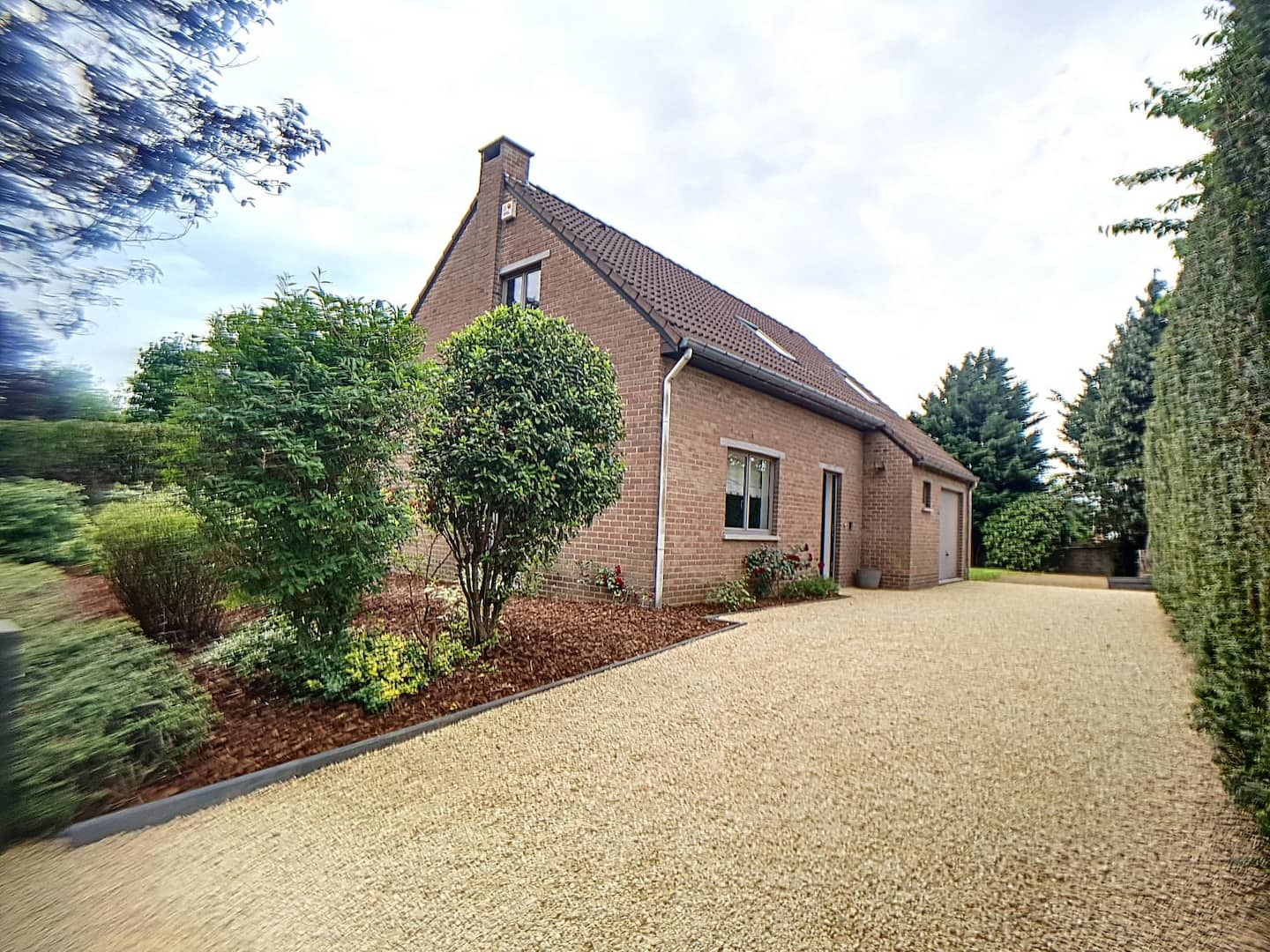
Location should also be practical, not aspirational. For team housing, proximity to the site, access to highways, parking availability, and commuting time matter more than city-center positioning. If employees are moving between industrial zones, warehouses, client sites, or infrastructure projects, transportation efficiency has a direct impact on cost and productivity.
Prioritize operational fit over price alone
The cheapest headline rate is not always the lowest total cost. This is one of the biggest mistakes companies make when comparing accommodation options. A low nightly or monthly price can quickly become expensive if utilities are separate, internet is unreliable, kitchens are poorly equipped, or the team ends up needing multiple units because the layout is impractical.
When evaluating options, look at what is actually included. For business stays, an all-in rate often makes more sense because it reduces budgeting surprises and administrative work. Furnishings, equipped kitchens, Wi-Fi, utilities, and company invoicing should not be treated as extras if the team is expected to move in and start working immediately.
There is also a people factor. Workers staying for several weeks need more than a bed. They need a setup that supports rest, meals, and day-to-day routine. Hotels can work for very short stays or small executive travel, but for group deployments they often create fatigue and cost leakage. Team housing with kitchens, common living space, and practical sleeping arrangements tends to perform better over time.
The information providers need to quote fast
If your goal is speed, send complete information in the first message. The more precise your request, the faster a housing provider can confirm fit or suggest alternatives.
At minimum, your request should include the number of people, target move-in date, expected rental period, work location, and whether the team needs parking. It also helps to state if the occupants are employees, subcontractors, or mixed teams, since usage patterns can affect property selection.
You should also specify whether your company requires a single invoice, fixed monthly billing, or a contract in the company name. For many operations and procurement teams, administration matters almost as much as availability. If invoicing and contract terms do not match internal process, the booking can stall even when a property is available.
If your dates are flexible, say that too. A provider may be able to offer a better-fit property if arrival can shift by a few days. That is especially useful when you need larger capacity in a specific region.
How to compare team housing options properly
Once you receive offers, compare them using the same criteria. Otherwise, one option may look better simply because the quote is less detailed.
Look first at occupancy structure. A property that houses 10 people is only useful if the room distribution suits the team. Then check what is included in the rate. Confirm furniture, kitchen equipment, internet, utilities, and any cleaning or maintenance support. After that, review contract flexibility, payment terms, and the notice period for extension or departure.
Location deserves a second review here. A property farther from the site may still be the better choice if access is easier, parking is simpler, and the unit is more suitable for long stays. Shorter distance does not always mean better logistics.
Photos and descriptions matter, but for business housing the practical details matter more. Ask whether the property is ready for immediate occupancy, whether it is designed for professional group use, and whether the provider regularly works with companies rather than leisure travelers.
Common booking mistakes to avoid
One frequent mistake is waiting too long to secure housing because the project is not fully confirmed. That hesitation can reduce availability, especially for larger teams or specific locations. If the assignment is likely, it is usually better to check options early and understand what can be held, reserved, or confirmed later.
Another mistake is underestimating contract needs. Companies sometimes focus on move-in speed and only later realize they need corporate billing, a specific legal entity on the agreement, or clear terms for extending the stay. Those points should be discussed before booking, not after.
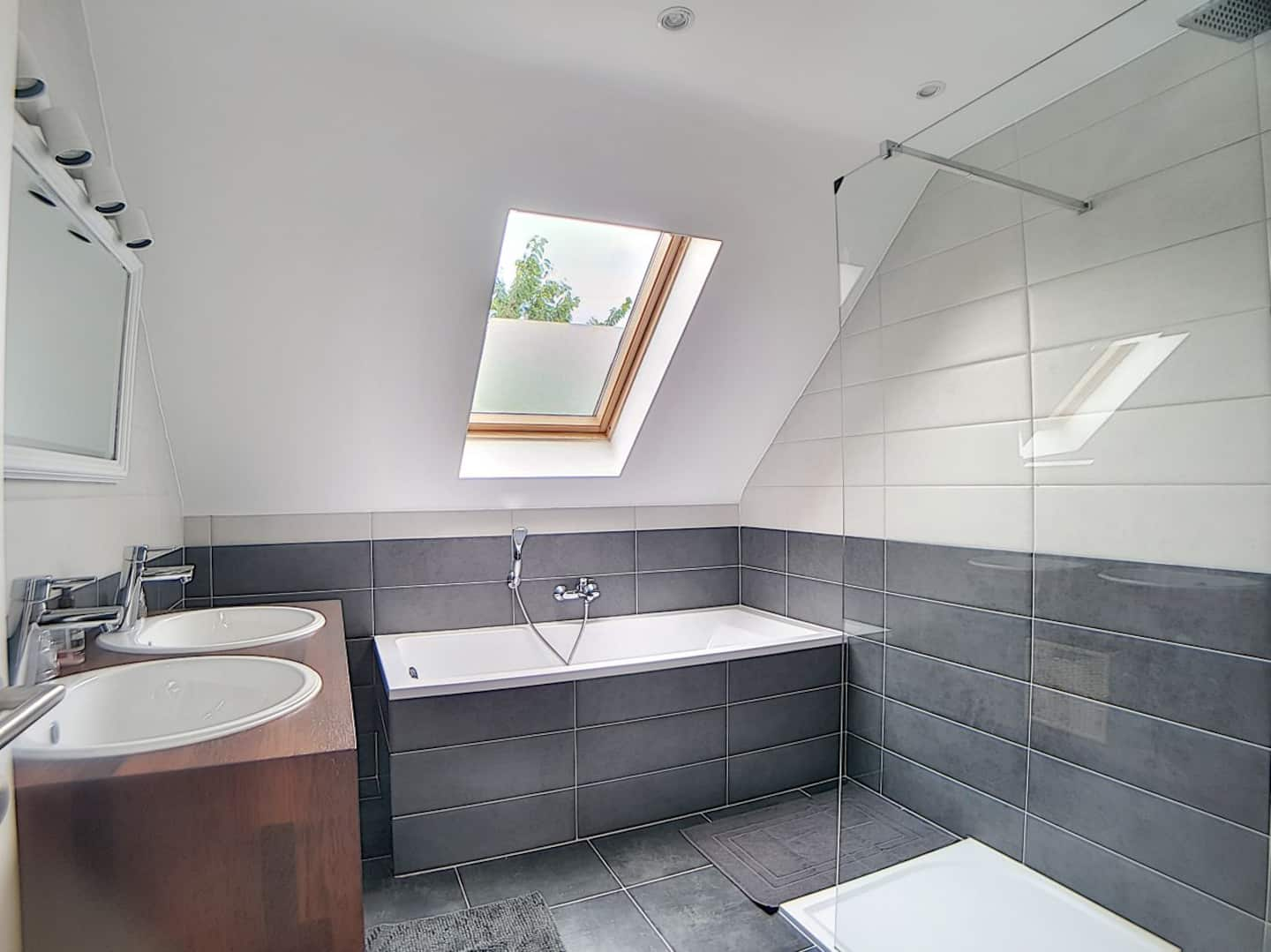
A third issue is choosing accommodation that looks suitable for individuals but not for groups. Team housing should be built around shared occupancy, practical layouts, and everyday use. A stylish apartment may look attractive in photos but still fail operationally if there are not enough beds, bathrooms, or common facilities for the actual group.
How to book team housing for longer assignments
Longer stays require a slightly different approach. If your team will remain on site for several months, comfort and routine become more important. The property needs to support normal living, not just sleeping between shifts.
For medium-term housing, ask about contract flexibility from the start. Projects can expand, shrink, or run over schedule. You do not always need a fully open-ended agreement, but you do need realistic options if your timeline changes. A provider experienced in corporate housing will usually understand this and present terms that fit business reality.
You should also think about scalability. If the initial team is six people but could become 10, it helps to work with a provider that can accommodate growth without forcing you into a completely separate booking process. This is especially relevant for phased projects and multi-site deployments.
That is where a specialized corporate housing provider can save time. Belga Promo, for example, focuses on furnished accommodation for work teams in Belgium, with practical capacities, all-inclusive setup, and contracts designed for company use rather than tourism. For operations teams, that difference can remove a lot of friction.
What good team housing looks like in practice
Good team housing is ready on day one. Employees arrive to a furnished, equipped space with working internet, usable kitchens, and enough room to live without constant improvisation. The company receives clear contract terms, predictable monthly cost, and a billing structure that fits internal reporting.
It also means fewer moving parts. Instead of juggling multiple hotel bookings, daily rates, reimbursements, and changing room availability, the company manages one housing solution that is aligned with the assignment period. That simplicity becomes more valuable as team size and stay length increase.
There is no single formula for how to book team housing because every assignment has different constraints. A short maintenance project, a long industrial installation, and a temporary staff relocation all require different trade-offs. But the process improves quickly when you define the brief clearly, compare full costs instead of headline rates, and choose housing built for business occupancy.
If you approach team housing as part of project planning rather than an afterthought, the booking gets easier, the stay works better for your employees, and the operation starts on firmer ground.