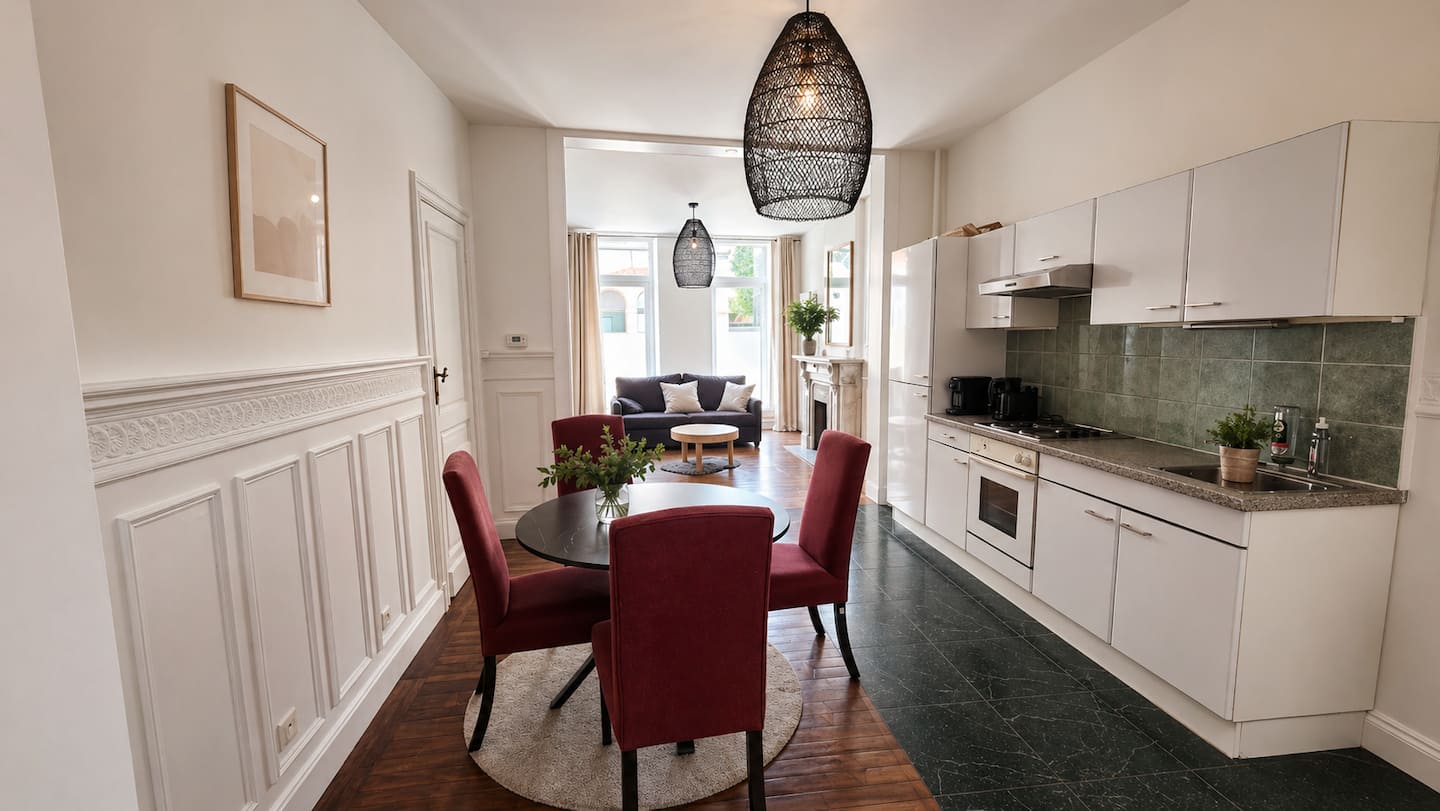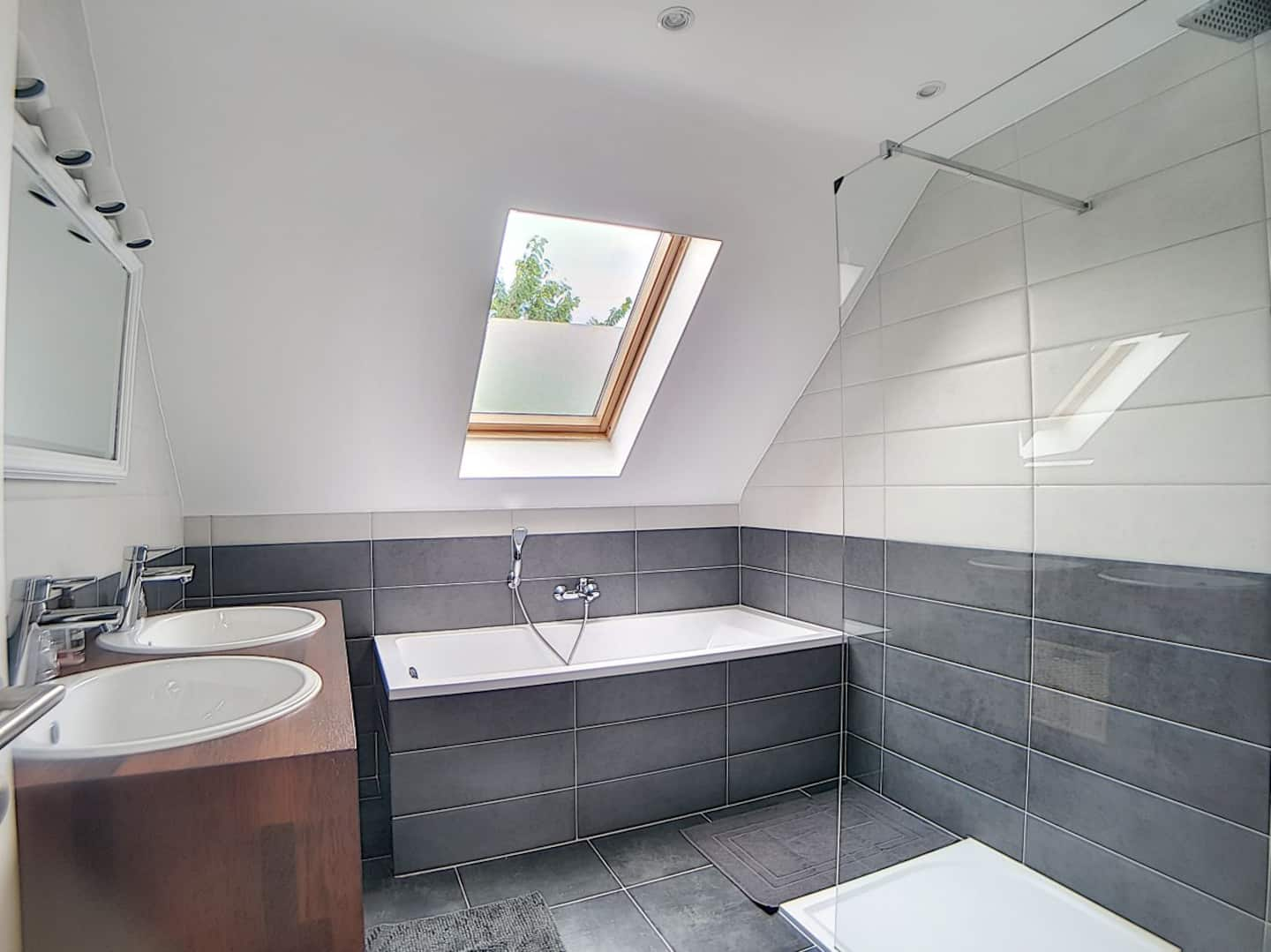
A project team can lose valuable time before work even begins when housing is scattered across hotel rooms, temporary rentals, or unsuitable shared properties. The decision to lease apartment or crew house accommodation should start with the size of the team, the expected stay, and how the team needs to live between shifts. For companies deploying employees in Belgium, the right setup reduces daily logistics, gives workers a reliable place to rest, and keeps accommodation costs easier to control.
Hotels can work for a short visit or a small number of senior travelers. They become less practical when technicians, contractors, or production teams need to stay for several weeks or months. A furnished apartment or crew house provides a more workable base: private or shared bedrooms, a real kitchen, common space, Wi-Fi, utilities, and a single company invoice.
Lease Apartment or Crew House: Start With the Team
There is no universal answer. An apartment is often the better option for a smaller group, employees who need more privacy, or a team assigned to an urban location. A crew house is generally more efficient when several workers are deployed together and need accommodation that supports group living at a predictable monthly cost.
The practical question is not simply how many people need beds. Consider work schedules, vehicle requirements, proximity to the site, expected turnover, and whether the team will cook and spend time at the property. Housing that looks affordable per night can become expensive or operationally difficult if it creates daily travel problems, lacks parking, or does not have enough usable space for the people staying there.
For most business assignments, plan occupancy around actual sleeping arrangements rather than maximum advertised capacity. A property that technically fits eight people may not suit eight workers on a two-month project if storage, kitchen capacity, bathrooms, or bedroom layouts are limited. Confirming these details before arrival avoids complaints and last-minute moves.
When a Furnished Apartment Makes Sense
A furnished apartment is usually a strong fit for a small team, a manager and a few specialists, or employees relocating temporarily. It offers a more independent living arrangement than a hotel and can give workers a quieter environment after a demanding workday.
Apartments are especially useful when employees are working near city centers, business districts, transport hubs, or client locations where a larger house may be harder to find. They can also be a sensible choice for mixed teams where privacy matters, such as executives traveling with technical staff or employees on different schedules.
The key is to assess the apartment as a working accommodation solution, not as a vacation rental. Check that it is fully furnished, that the kitchen is equipped for everyday meals, and that high-speed Wi-Fi is included. For stays of one month or longer, these basics have a direct effect on worker comfort and productivity.
An apartment may be less suitable when the group is large enough to require multiple units. At that point, separate addresses create more coordination, more check-ins, and more administrative work. A team split between several apartments may also find it harder to arrange transport, meal planning, and shift communication.
When a Crew House Is the Better Operational Choice
A crew house is designed around the realities of group deployment. It gives a team one address, shared living areas, and enough capacity to house multiple workers in a practical setup. For companies assigning six to sixteen people to a site, this can be considerably easier to manage than reserving individual hotel rooms or searching for several small apartments.
The main advantage is operational control. Workers can prepare meals, organize transport from one location, and settle into a stable routine. A shared property can also reduce the isolation that often comes with long assignments away from home, particularly for teams working demanding shifts or in unfamiliar areas.
Crew houses are often the stronger option for industrial projects, construction work, maintenance shutdowns, logistics operations, infrastructure projects, and contractor assignments. In these situations, location may matter more than city-center access. A property near the worksite, major roads, or transport routes can save substantial time over the course of a project.
Shared housing does require clear expectations. Companies should establish basic house rules for cleaning, noise, visitor access, smoking, parking, and the use of shared kitchens and bathrooms. The purpose is not to overmanage employees. It is to protect the property, maintain reasonable living conditions, and prevent small issues from turning into disruptions.
Compare the Total Cost, Not the Nightly Rate
A low hotel rate or a cheap unfurnished property can look attractive at the start of a booking. The real comparison should include the full cost of keeping a team housed and operational for the entire assignment.
With a ready-to-live-in furnished rental, furniture, utilities, internet, and kitchen equipment are generally already in place. That removes the need to organize separate service accounts, buy household items, reimburse daily meals, or coordinate furniture delivery. It also helps finance and procurement teams work from a clearer monthly figure instead of processing many separate expenses.
For a larger team, cooking facilities can make a meaningful difference. Employees do not need to rely on restaurants for every meal, and managers do not need to handle constant meal reimbursements. This does not mean every crew house is automatically cheaper than every hotel. The result depends on occupancy, location, duration, and the standard of accommodation required. But for medium-term stays, shared furnished housing is often the more predictable option.
Ask providers what is included before comparing quotes. Utility allowances, internet, cleaning expectations, deposits, parking, linen, and local charges can change the actual monthly cost. A complete quote is more useful than a low starting price with multiple additions later.
Location Must Support the Work Schedule
The best property is not always the closest one on a map. A location that seems nearby can still involve slow routes, limited parking, or poor access for vans and early shifts. Before booking, measure the real commute at the times employees will travel, not only during normal daytime traffic.
For teams using company vehicles, parking deserves specific attention. Confirm how many vehicles can be accommodated, whether spaces are on-site or nearby, and whether there are restrictions for vans. If workers use public transportation, check the first and last available services against the shift schedule.
It is also useful to consider what employees need outside work. Access to grocery stores, laundries, pharmacies, and basic services makes longer stays more manageable. Housing that gives workers practical independence can reduce avoidable requests to site managers and HR teams.
Choose Terms That Match Project Reality
Project schedules change. A commissioning phase can run longer than expected, a construction timeline can move, or a client may ask for additional support. Fixed accommodation arrangements that do not allow reasonable adjustments can become a costly problem.
Look for rental terms that fit the expected assignment while allowing discussion if dates change. Medium-term furnished housing is particularly useful for stays starting at one month and extending to twelve months or longer. It provides more stability than short hotel bookings without forcing a company into a conventional long residential lease that may not suit a temporary workforce.
Company invoicing is another practical requirement. The booking process should identify the responsible company, the occupancy period, the number of employees, and any billing reference required by your finance team. One clear invoice is easier to approve, reconcile, and allocate to the correct project than individual employee expense claims.
What to Confirm Before You Reserve
Before committing to a property, confirm the number of bedrooms and beds, the maximum comfortable occupancy, kitchen equipment, Wi-Fi, utilities, parking, and the planned move-in date. Also clarify who handles maintenance issues and how quickly support is available if a problem affects the team.
For international employers, responsive communication matters as much as the property itself. A housing partner that can quickly confirm availability, explain terms clearly, and coordinate company requirements removes pressure from operations teams. Belga Promo provides furnished apartments and crew houses in Belgium for professional groups, with accommodation structured for immediate occupancy and company use.
The right choice should make the assignment easier from the first arrival to the final checkout. Give your housing provider the team size, project location, dates, vehicle needs, and preferred bedroom arrangement early. With those details in place, accommodation becomes a dependable part of the project plan rather than another last-minute task.