
A project starts in two weeks, the site is confirmed, and the team list keeps changing. That is usually the moment when staff housing Belgium stops being a simple booking task and becomes an operational issue. For HR, procurement, and site managers, the real question is not just where people will sleep. It is how to house a team quickly, keep costs under control, and avoid daily friction once the assignment begins.
Hotels can work for short trips, but they often become expensive and impractical for multi-week or multi-month deployments. Standard residential rentals can also create problems if they are unfurnished, poorly equipped, or not set up for company use. Corporate staff housing sits in the middle. It gives employers a ready-to-use housing solution built around work stays, team occupancy, and predictable administration.
What companies actually need from staff housing Belgium
When businesses search for accommodation for employees in Belgium, they are rarely looking for a lifestyle product. They need speed, reliability, and a setup that works from day one. That usually means furnished housing, equipped kitchens, internet, utilities, and enough sleeping capacity for a group rather than one traveler.
The practical details matter more than marketing language. If a team arrives after a long trip and still needs to be on-site the next morning, the housing has to be ready immediately. Beds, appliances, cookware, Wi-Fi, heating, and basic comfort are not extras. They are part of whether the assignment runs smoothly or starts with avoidable problems.
For employers, the administrative side matters just as much. Separate utility accounts, furniture rentals, and scattered invoices create extra work. A single company invoice and one clear rental agreement are usually far easier to manage, especially for international companies deploying workers into Belgium for a limited period.
Why hotels stop making sense for medium-term stays
Hotels are familiar, which is why many companies default to them first. But once a stay extends beyond a few nights, the cost structure changes quickly. Booking multiple rooms for several workers over one, two, or six months can strain the accommodation budget without improving the living conditions for the team.
There is also the issue of practicality. Hotel rooms are designed for short stays and individual guests. Teams on assignment usually need shared living space, kitchen access, laundry facilities, and a setup that feels workable after a long day on-site. A technician or contractor staying for eight weeks does not need daily hotel formalities. They need a place they can actually live in.
This is where furnished houses and apartments designed for group occupancy become a better fit. Shared accommodation usually lowers the per-person cost, while giving workers more space and more normal daily routines. That can make a noticeable difference in comfort, especially for crews working intensive schedules.
Staff housing Belgium is not one-size-fits-all
Not every company needs the same housing model. A relocation for a small management team is different from housing 12 workers near an industrial project. The best option depends on team size, duration, location, and how much flexibility the assignment requires.
A smaller group may be well served by an apartment, while a larger deployment often needs a house arranged specifically for multiple occupants. Capacity planning matters. If the property is too small, comfort drops quickly. If it is too large, the company may be paying for unused space. The right provider should be able to match occupancy to the actual team structure rather than forcing a generic option.
Length of stay also changes what makes sense. For a one-month placement, immediate availability and basic readiness may be the top priority. For stays of several months or longer, comfort, laundry access, kitchen equipment, and a stable living setup become more important. What works for four weeks may not work for six months.
What to look for in corporate housing for employees
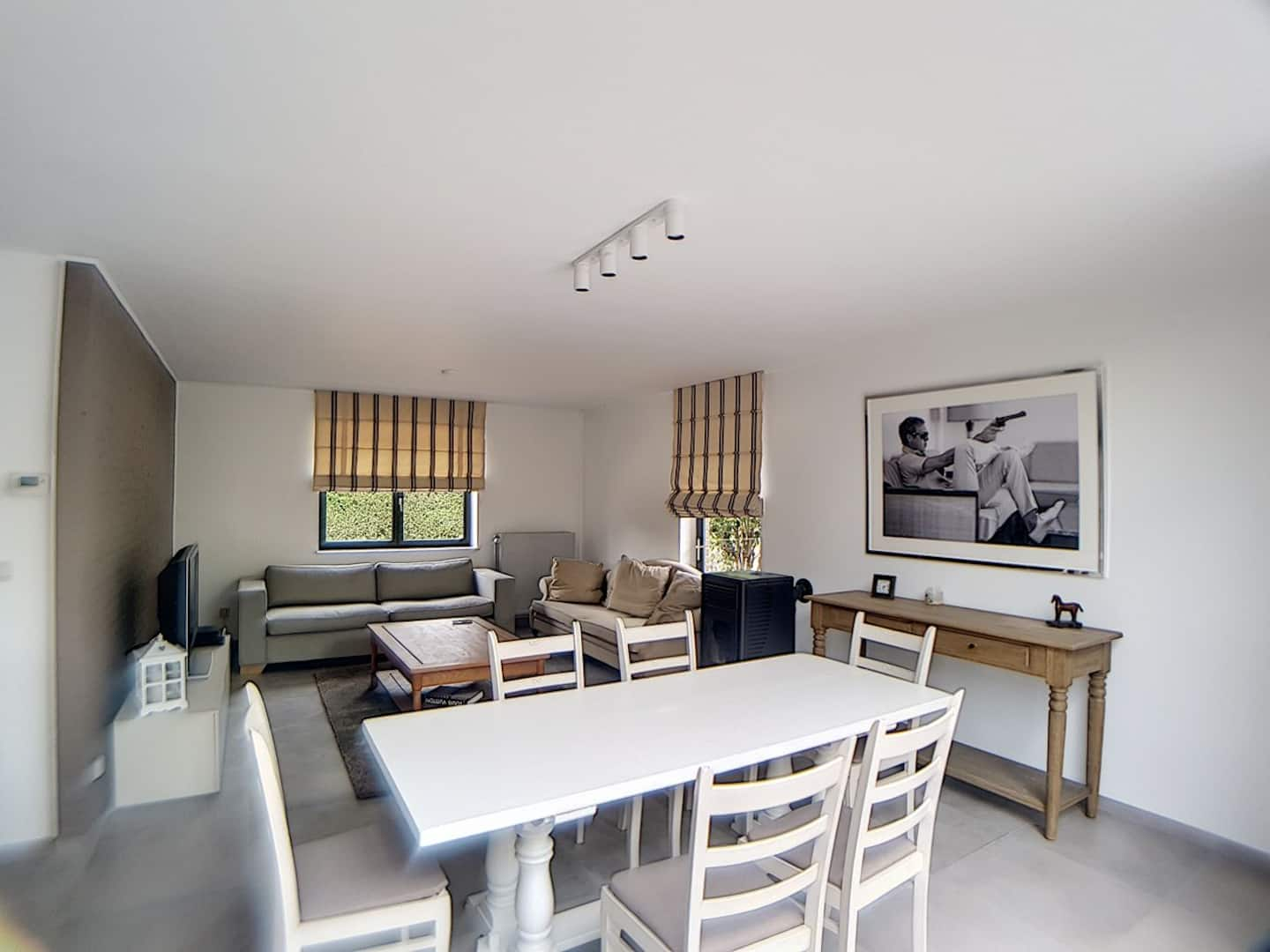
The strongest corporate housing options are built around operational simplicity. Furnished means more than adding a bed and a table. The accommodation should be fully usable on arrival, with practical furniture, equipped kitchens, internet access, utilities included, and sleeping arrangements suited to group stays.
Location is another key factor. The ideal property is not always in the city center. For many companies, access to industrial zones, logistics hubs, construction sites, or major road connections matters more than proximity to tourist areas. A property that reduces commuting time can improve punctuality, lower transport pressure, and make the overall assignment easier to manage.
Flexibility is also worth checking early. Workforce planning changes. Project deadlines move, new workers arrive, and some assignments extend longer than expected. A rigid lease may create unnecessary cost or force a relocation at the wrong moment. Flexible terms and clear extension options give companies more room to adapt.
Support should not be overlooked either. If there is a problem with the property, companies need a responsive contact, not a long chain of intermediaries. Fast communication matters when the accommodation is tied directly to ongoing operations.
Cost control is about more than the monthly rate
Companies often compare options based only on headline rent, but total housing cost is what matters. A lower base rent can become less attractive if it excludes utilities, internet, furniture, kitchen equipment, or cleaning arrangements. The same is true if teams must spend extra time and money making the place usable.
All-inclusive staff housing gives employers more predictable budgeting. When rent, utilities, Wi-Fi, and furnishings are bundled into one operational offer, there is less uncertainty and fewer hidden adjustments later. That predictability is especially useful for procurement teams and finance departments that need clean reporting and stable cost planning.
There is also a labor cost angle. If HR or site management has to coordinate furniture delivery, service setup, multiple bills, and check-in logistics across several properties, the internal time cost grows fast. A turnkey setup reduces that administrative burden. In practice, that can be as valuable as the accommodation price itself.
Comfort affects productivity more than many companies expect
Staff housing is often treated as a background expense, but living conditions influence how well people perform on assignment. Workers who have enough space, reliable internet, proper kitchens, and a functional place to rest generally handle long projects better than those rotating through cramped or inconsistent lodging.
This does not mean companies need luxury housing. It means they need housing that supports daily life. A clean, furnished property with practical amenities and enough room for the team creates stability. That stability can reduce complaints, limit turnover during a project, and help maintain focus on the work itself.
Shared housing also has a practical social benefit for some teams. When colleagues are deployed together, living in the same property can simplify transport planning and create a more organized routine. That said, it depends on the team. Some assignments may require more privacy, while others work well with group occupancy. The housing setup should reflect the actual working arrangement rather than a fixed assumption.
Why turnkey housing works well for project-based companies
Project-driven businesses need accommodation that can move at the pace of operations. Construction firms, industrial contractors, relocation teams, maintenance specialists, and logistics employers often cannot wait through a slow rental process. They need properties that are available quickly, already equipped, and suitable for immediate move-in.
That is why turnkey corporate housing continues to gain ground. It removes the setup phase and allows companies to focus on staffing and delivery. For employers bringing teams into Belgium, it also reduces uncertainty. Instead of piecing together furniture, utilities, and local housing logistics, they can secure one complete accommodation solution.
Belga Promo reflects that model clearly by offering furnished houses and apartments for teams of 6 to 16 people, with flexible stays starting from one month and extending much longer when needed. For companies that need fast placement and straightforward administration, that structure aligns well with how workforce housing decisions are actually made.
Choosing the right staff housing Belgium provider
The best provider is usually the one that understands business constraints, not just real estate. Companies should look for clear occupancy information, transparent inclusions, flexible contract terms, and responsiveness from the first contact. If the proposal is vague, slow, or fragmented at the quoting stage, operations may be just as difficult after move-in.
It also helps to work with a provider that is used to housing groups rather than individual leisure guests. Group accommodation requires different planning around sleeping capacity, shared spaces, and practical use over time. A property may look acceptable on paper but still be poorly suited to team living if it was not arranged with that purpose in mind.
The right housing solution is the one that removes obstacles. When staff housing Belgium is handled properly, it supports deployment, controls costs, and gives workers a place that is ready from the moment they arrive. That is not just a housing decision. It is part of keeping the project on track.