
A technician arriving for a six-week plant shutdown does not need another booking confirmation. They need a clean, practical place where they can sleep properly, prepare meals, do laundry, connect to work systems, and get to the site without adding friction to an already demanding assignment. That is the standard accommodation for technicians on assignment should meet.
For companies sending teams to Belgium, housing is not a side task. It affects attendance, morale, project costs, and the amount of administrative time spent solving avoidable problems. A group of technicians placed in unsuitable rooms or scattered across several hotels can quickly create transport complications, inconsistent expenses, and frustrated workers. Furnished corporate housing gives operations teams a more workable option for stays that last weeks or months.
What Technicians Need From Assignment Housing
Technical assignments often come with early starts, rotating shifts, safety briefings, callouts, and long days on site. The right accommodation should support that routine rather than feel like a temporary inconvenience. Privacy matters, but so does the ability for colleagues to live together without being overcrowded.
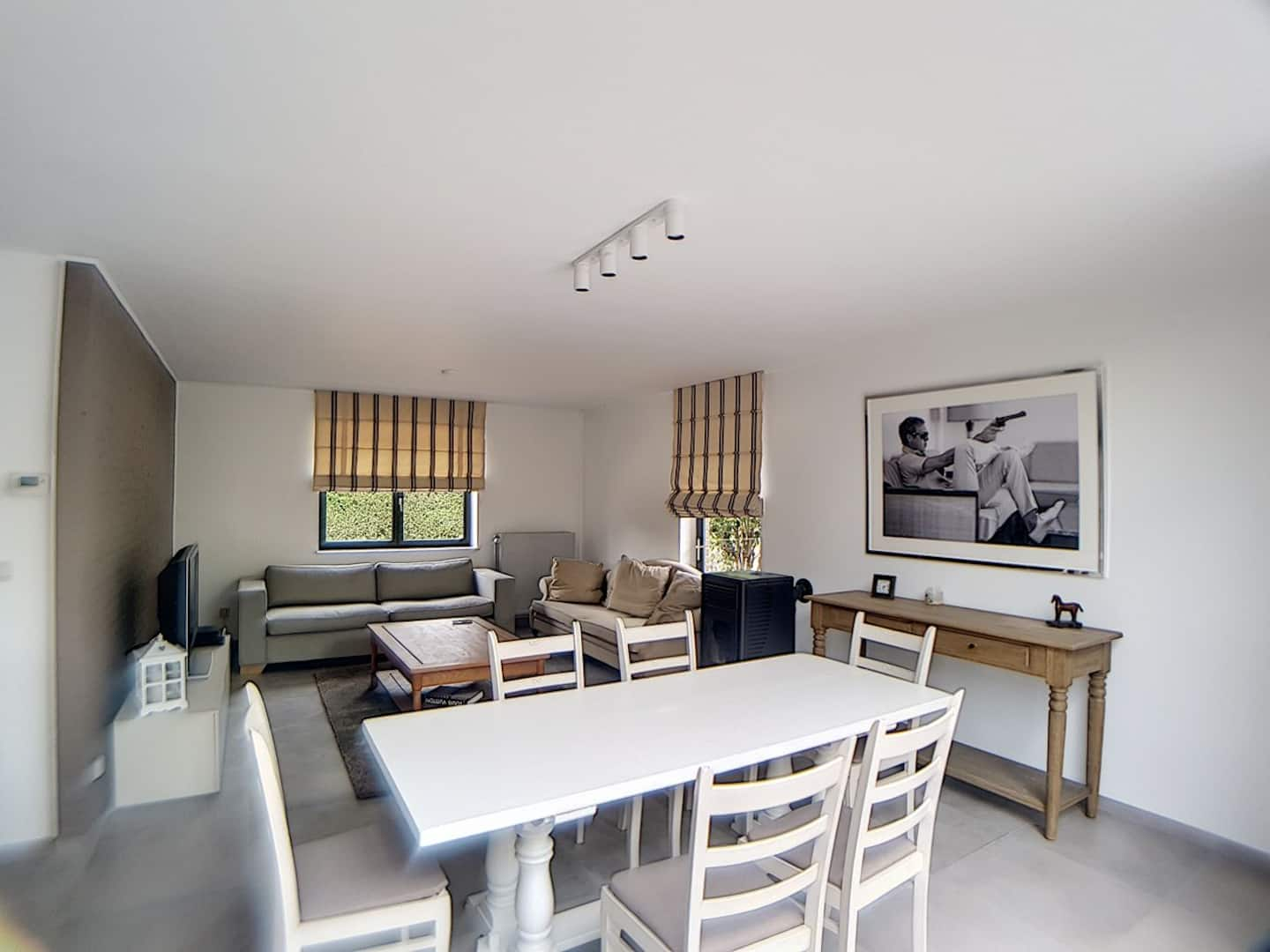
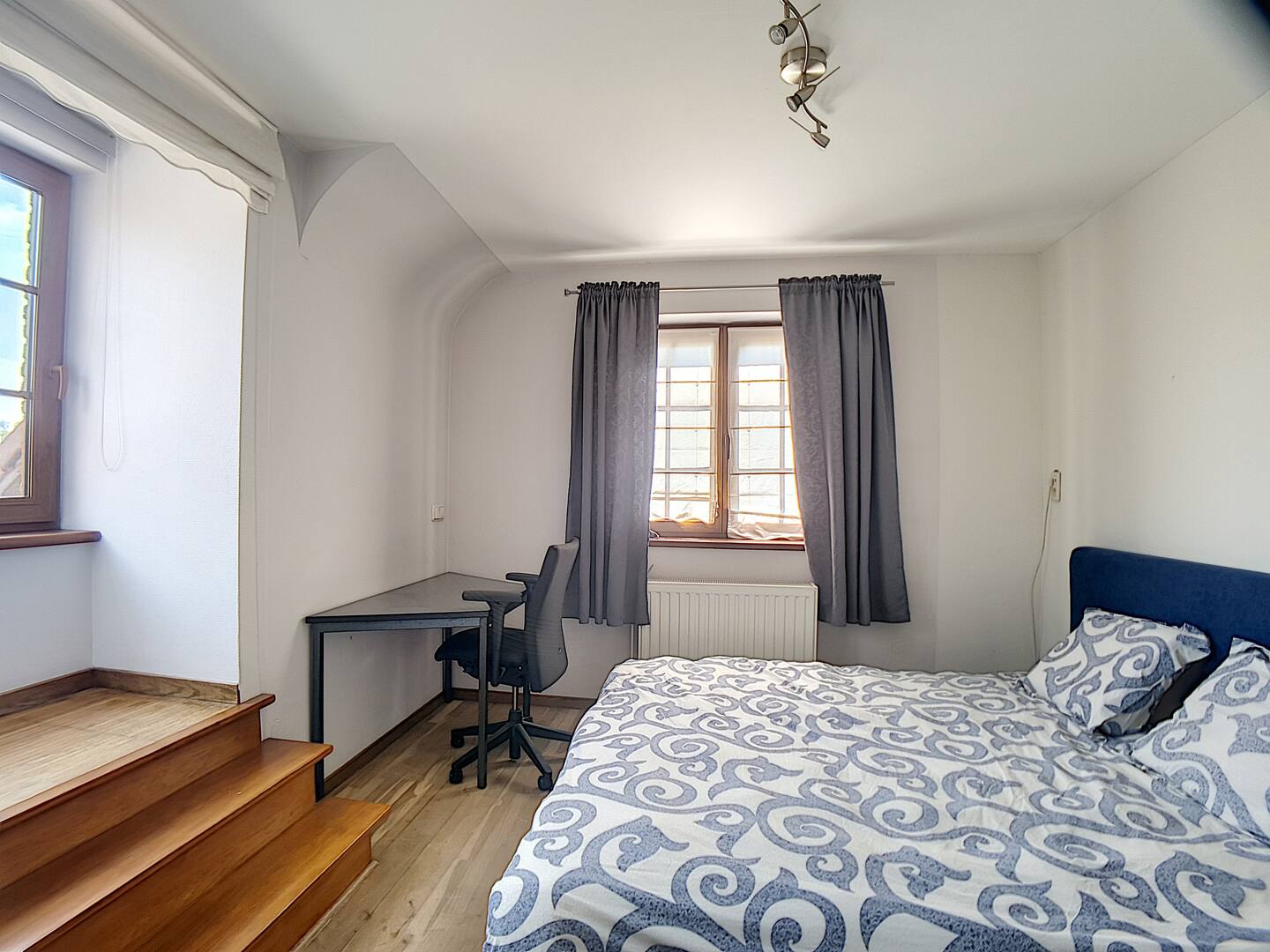
A furnished house or apartment designed for professional teams provides the basics from the first day: beds, seating, an equipped kitchen, bathroom facilities, laundry capability, heating, and reliable high-speed Wi-Fi. This is not about adding unnecessary extras. It is about removing the setup work that normally falls on a site manager, coordinator, or the technicians themselves.
Kitchen access is especially relevant on longer assignments. Eating every meal in a restaurant becomes expensive and tiring, particularly for staff working shifts outside standard business hours. A proper kitchen lets employees manage breakfast, packed lunches, and evening meals around their schedule. Shared living areas also give a team a practical place to plan the next day or decompress after work.
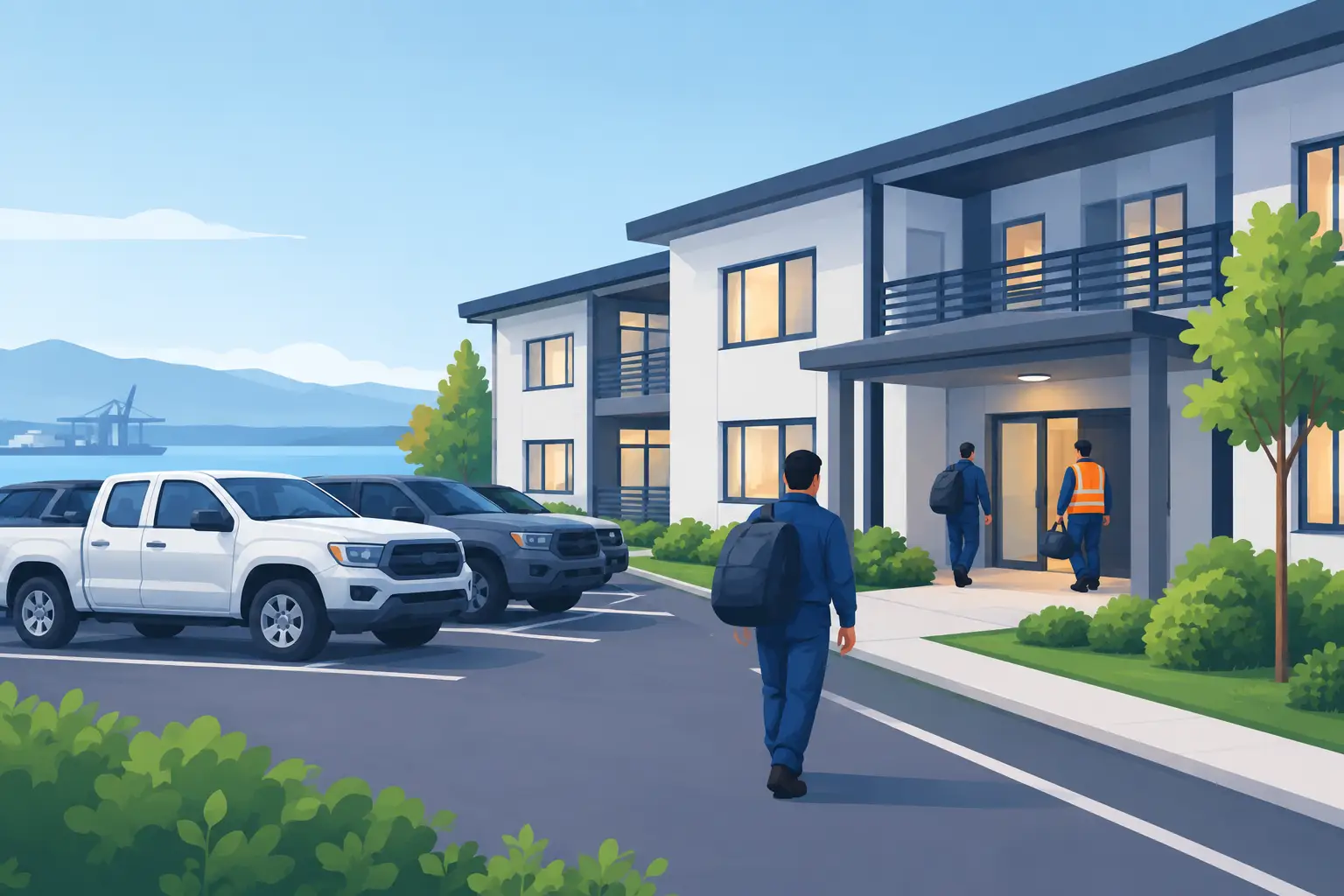
Location remains equally important. The best property is not always the one nearest the city center. For industrial, construction, maintenance, and installation work, proximity to the project site, major roads, parking, and local services may matter more. The right choice depends on shift patterns, vehicle requirements, and how long the team will remain in the area.
Accommodation for Technicians on Assignment: Hotels or Team Housing?
Hotels can work for a short individual visit, a one-night intervention, or a small team that is still waiting for its project schedule to be confirmed. They are familiar, easy to book, and may include breakfast. But they become less practical when assignments extend beyond a few days.
Booking separate hotel rooms for a group often means variable rates, repeated expense processing, limited space, and no suitable area for preparing meals. Workers may be spread across different floors, different hotels, or even different towns when availability is tight. That can make daily coordination harder and add transport costs to the project.
Team housing is generally better suited to medium-term deployments. A furnished house or apartment can accommodate a group under one roof, giving the company a clearer housing arrangement and the employees a more normal living environment. Costs are easier to forecast when rent, utilities, Wi-Fi, and furnishings are handled as part of one monthly arrangement.
There are trade-offs. A hotel may offer daily room cleaning and front-desk service, while a furnished property provides more independence and space. For a two-day emergency callout, the hotel may be the sensible choice. For a project lasting one month, three months, or longer, a ready-to-live-in corporate property is usually the more operational choice.
The Cost Factors That Matter Beyond the Nightly Rate
A low nightly room rate can look attractive at the start of a project. It does not always reflect the full cost of housing a team. Operations managers should look at the total deployment cost, including meals, parking, local travel, laundry, utility charges, booking changes, and the time spent managing individual reservations.
A monthly furnished rental makes budgeting more predictable. When the accommodation includes furniture, equipped kitchens, Wi-Fi, utilities, and company invoicing, there are fewer separate items to reconcile. That is valuable for procurement teams that need clean documentation and for project managers who need a clear view of site overhead.
Occupancy also changes the calculation. A property suited to six, eight, or more workers can be more efficient than booking the same number of hotel rooms, provided there is enough space and the home is arranged appropriately for the group. Companies should avoid treating capacity as the only measure. Sleeping arrangements, bathroom access, common areas, parking, and worksite distance all influence whether a property will work in practice.
How to Select Housing for a Technical Team
The fastest way to find suitable accommodation is to provide the housing provider with a complete operational brief from the start. A vague request for "rooms near the site" creates delays and usually produces less suitable options. A useful brief identifies four practical areas:
- The assignment location, start date, expected end date, and any schedule uncertainty.
- The number of technicians, preferred room setup, and whether the team will change during the project.
- Transport needs, including vans, secure parking, road access, and commuting limits.
- Required services, such as Wi-Fi, laundry, company invoicing, utilities, and flexible extension terms.
It is also worth confirming who will be responsible for check-in, property communication, and reporting any issues. On an international assignment, a named contact can prevent delays when a technician arrives outside normal office hours or a project schedule changes at short notice.
For workforce housing in Belgium, companies should ask whether the accommodation is genuinely equipped for group occupancy. A property that looks suitable for a family is not automatically suitable for a rotating technical crew. Professional teams need durable furnishings, sufficient kitchen equipment, functional internet access, and enough room for daily routines. Clear occupancy limits and transparent inclusions protect both the employer and the employees.
Flexibility Matters When the Project Changes
Technical projects rarely follow the first schedule exactly. A commissioning phase can be extended. A delivery delay can postpone the start. A shutdown may finish early, or additional specialists may need to join the team. Housing that is rigid from the outset can become an unnecessary cost or a logistical problem.
Flexible contract terms are therefore a practical requirement, not simply a commercial preference. Companies should clarify the minimum rental period, notice requirements, extension process, and availability of additional capacity before confirming a property. For assignments expected to last several months, this can be more useful than trying to predict every detail on day one.
Belga Promo provides furnished houses and apartments in Belgium for professional groups, with capacities typically ranging from 6 to 16 people and rental periods starting from one month. The all-inclusive approach is designed to give companies a usable base for technicians and work teams without arranging furniture, utilities, internet, or separate household services.
Comfort Is Part of Project Performance
Worker comfort is sometimes treated as a secondary concern when a project is under pressure. In reality, it has a direct effect on performance. Technicians working demanding schedules need rest, personal space, and a dependable place to return to at the end of the day. Poor housing can lead to fatigue, dissatisfaction, absenteeism, and avoidable turnover during a critical assignment.
Comfort does not mean luxury. It means a clean, well-maintained home with a usable kitchen, reliable heating, a functioning bathroom, stable Wi-Fi, and sleeping arrangements that allow people to recover between shifts. For international teams, it also means clear communication and a responsive contact when something needs attention.
The strongest housing decision is usually the one made early, with the site location, team size, and project timeline clearly defined. Arrange accommodation as a working part of the deployment plan, and your technicians can arrive ready to focus on the job rather than the logistics around it.