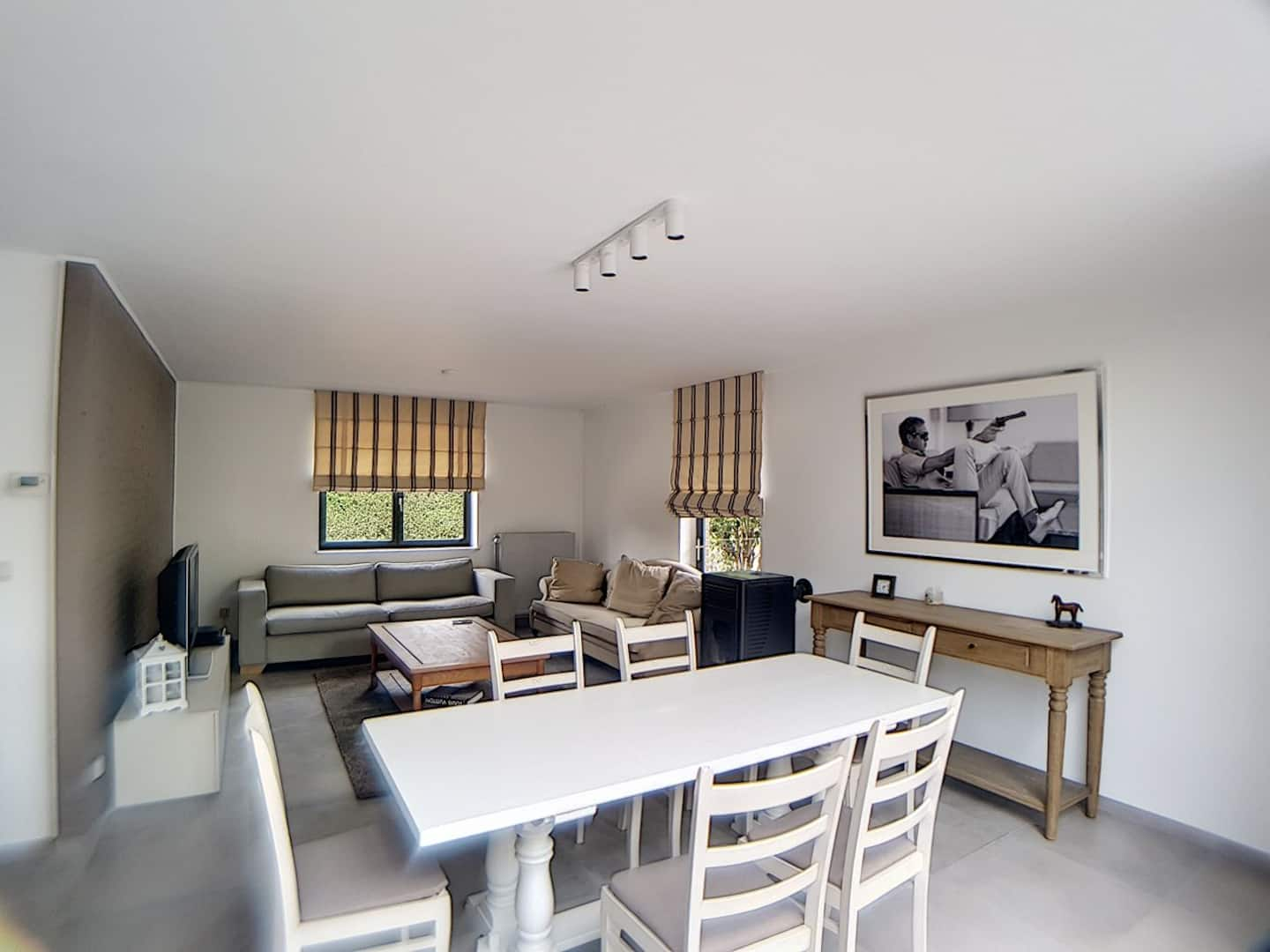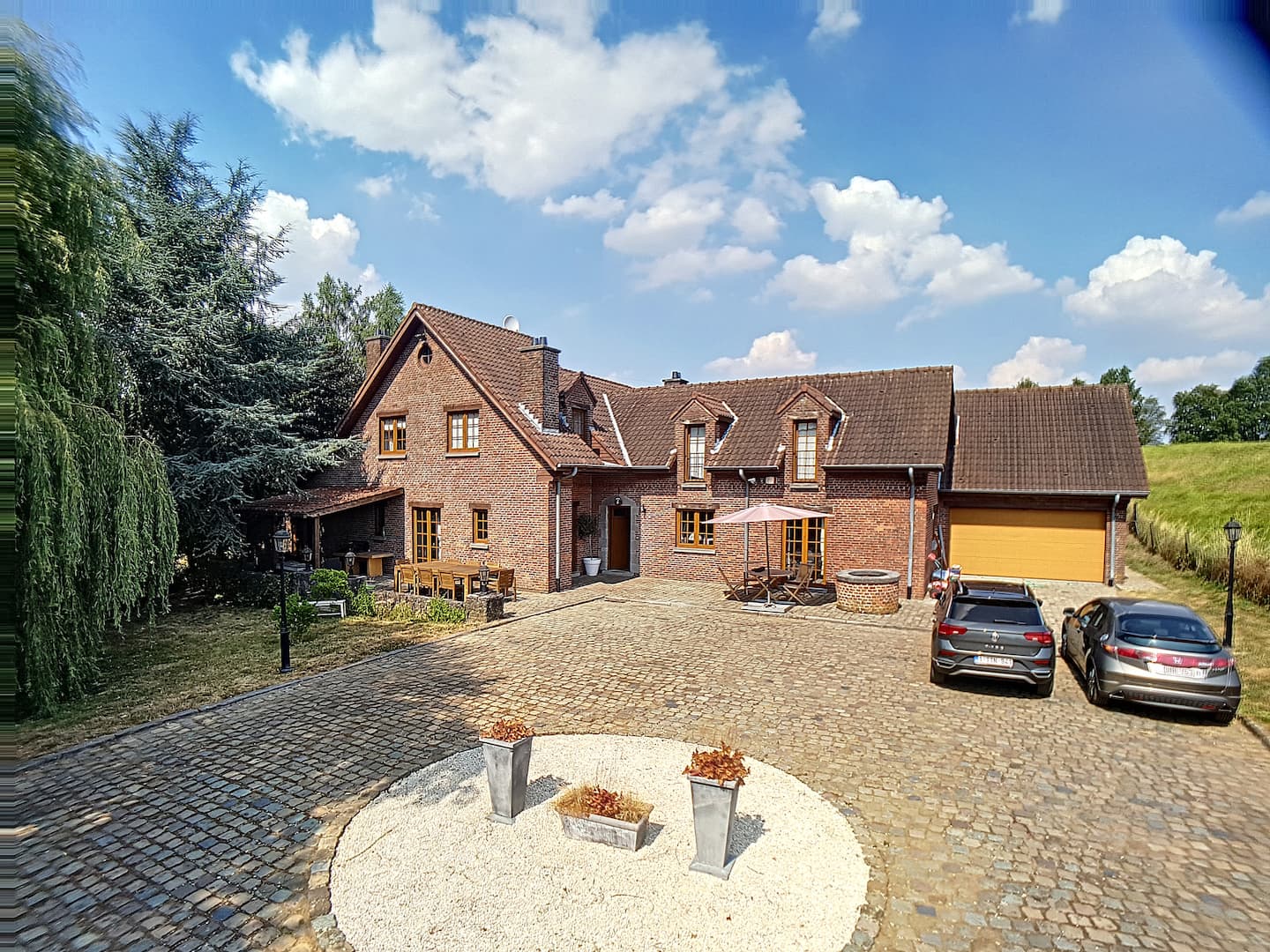
A project team can arrive in Belgium with only a few days' notice. The worksite is confirmed, the start date is fixed, and someone still needs to find practical housing for eight technicians for the next three months. Group accommodation companies address this operational problem with furnished homes and apartments built for teams, not individual tourists.
For employers, the question is not simply where people can sleep. It is whether housing will be available on time, remain within budget, support daily routines, and be easy to administer. A suitable corporate accommodation arrangement reduces distractions for workers and prevents site managers, HR teams, and procurement staff from spending hours managing separate hotel bookings, expense claims, and room changes.
Why hotel rooms become expensive for working teams
Hotels can be useful for short visits, interviews, or a one-night stop between locations. They are usually less effective when several employees need to stay for weeks or months. Booking separate rooms for an entire team raises the nightly cost quickly, while dining out, laundry charges, parking, and individual billing add further pressure to the budget.
A hotel also gives workers limited space outside working hours. After a long shift, a small room is not always a practical place to prepare meals, store work clothing, relax, or spend time with colleagues. This can affect comfort and retention, particularly when a team is away from home for an extended assignment.
Group housing changes the structure of the cost. Rather than paying per person, per night, companies rent a furnished property with a defined capacity. A house or apartment for 6 to 16 people can provide private sleeping arrangements while sharing kitchens, living areas, and other everyday facilities. The best choice depends on team size, privacy requirements, shift patterns, location, and the planned duration of the project.
What group accommodation companies should provide
Corporate housing should be ready for occupancy from the first day. A property that requires the employer to arrange furniture, kitchen equipment, internet service, utilities, or cleaning before workers arrive does not solve the main logistics problem.
A practical offer includes furnished bedrooms and living spaces, an equipped kitchen, high-speed Wi-Fi, utilities, and one clear company invoice. These basics allow a team to settle in immediately and help the employer forecast accommodation costs without chasing separate supplier invoices.
For medium-term stays, contract flexibility matters as much as the monthly rate. Construction schedules move, industrial shutdowns are extended, and staffing levels can change after a project begins. Companies should ask whether the provider can accommodate stays starting at one month, extend an existing booking, or propose another suitable property when the team expands.
Availability is another factor that cannot be treated as an afterthought. A lower advertised price has little value if the property is not available near the required work location or cannot be occupied when the project starts. Fast, accurate communication about capacity, location, contract terms, and move-in timing is often more valuable than a lengthy selection process.
Housing designed for work teams
Not every furnished rental is suitable for a workforce. A property may look attractive online but lack sufficient beds, parking, storage, common space, or a practical layout for colleagues working different schedules. Group accommodation companies should understand the difference between housing a family on vacation and housing a professional team that needs rest, reliability, and straightforward daily living.
For example, an employer placing twelve contractors near a long-term industrial project may prioritize capacity, travel time, parking, and a kitchen that can handle regular group meals. A smaller team of managers or engineers may place greater value on private space and proximity to transport connections. The right provider asks the questions that determine whether the accommodation will work in practice.
A better way to compare group accommodation companies
Price should be compared as a complete monthly housing cost, not as an isolated nightly figure. When reviewing proposals, calculate what is included and what will be handled internally. A property with furniture, utilities, Wi-Fi, kitchen equipment, and company invoicing may be more economical than a lower base rate with several additional charges.
Location deserves the same attention. Housing close to a project site can reduce travel time, transport costs, and fatigue for workers on early or late shifts. However, the closest address is not automatically the best option. In some cases, a property with better road access, parking, or local services is more practical than one that is only a few minutes nearer to the site.
It is also worth confirming the occupancy arrangement in writing. Ask how many people the property can accommodate comfortably, how bedrooms and beds are configured, and whether the layout suits the team. Clear capacity information prevents avoidable issues after arrival.
Before confirming a reservation, procurement and operations teams should establish four details: the required move-in date, expected length of stay, number of occupants, and work location. They should also state any practical requirements early, such as parking needs, shift work, separate sleeping arrangements, or planned extensions. This gives the accommodation provider enough information to recommend a workable solution rather than a generic rental.
The administrative value of one corporate housing partner
The time spent managing accommodation is often underestimated. When employees are spread across hotel rooms or short-term rentals, somebody must oversee booking confirmations, payment cards, expense reports, extensions, cancellations, and worker questions. Those tasks take attention away from the project itself.
A corporate housing partner simplifies this process by creating one point of contact and one invoicing route for the accommodation. That is particularly useful for companies deploying staff from outside Belgium, where local housing options, contract practices, and language differences can slow down arrangements.
Multilingual support can make a real difference when the people arranging housing are in one country, the worksite is in another, and the workers speak a third language. Clear communication reduces the risk of misunderstandings about arrival instructions, property rules, occupancy, or contract dates.
Belga Promo focuses on this type of ready-to-live-in accommodation for companies needing to house employees and work teams in Belgium. The objective is direct: provide furnished houses and apartments that can be occupied quickly, with the practical services that make longer professional stays easier to manage.
When a shared property is not the right answer
Group housing is not the best solution for every assignment. If an employee is staying only a night or two, a hotel may be simpler. If a team requires complete individual privacy, has highly irregular arrival dates, or is spread across multiple distant sites, separate accommodation may be necessary.
The value of a shared furnished property increases when the stay lasts at least a month, the team is working in the same area, and the employer wants predictable costs. It is especially well suited to construction projects, maintenance work, factory installations, engineering assignments, relocations, seasonal staffing, and other deployments where teams need stable housing for a defined period.
The key is to treat accommodation as part of project planning, not a last-minute travel purchase. When housing is arranged early with clear requirements, workers arrive to a functional home, managers have fewer administrative tasks, and the company has a better view of its total lodging cost.
For the next team deployment, start with the operational facts: headcount, location, move-in date, length of stay, and daily needs. Those details are enough to turn a housing search into a practical, cost-controlled plan.