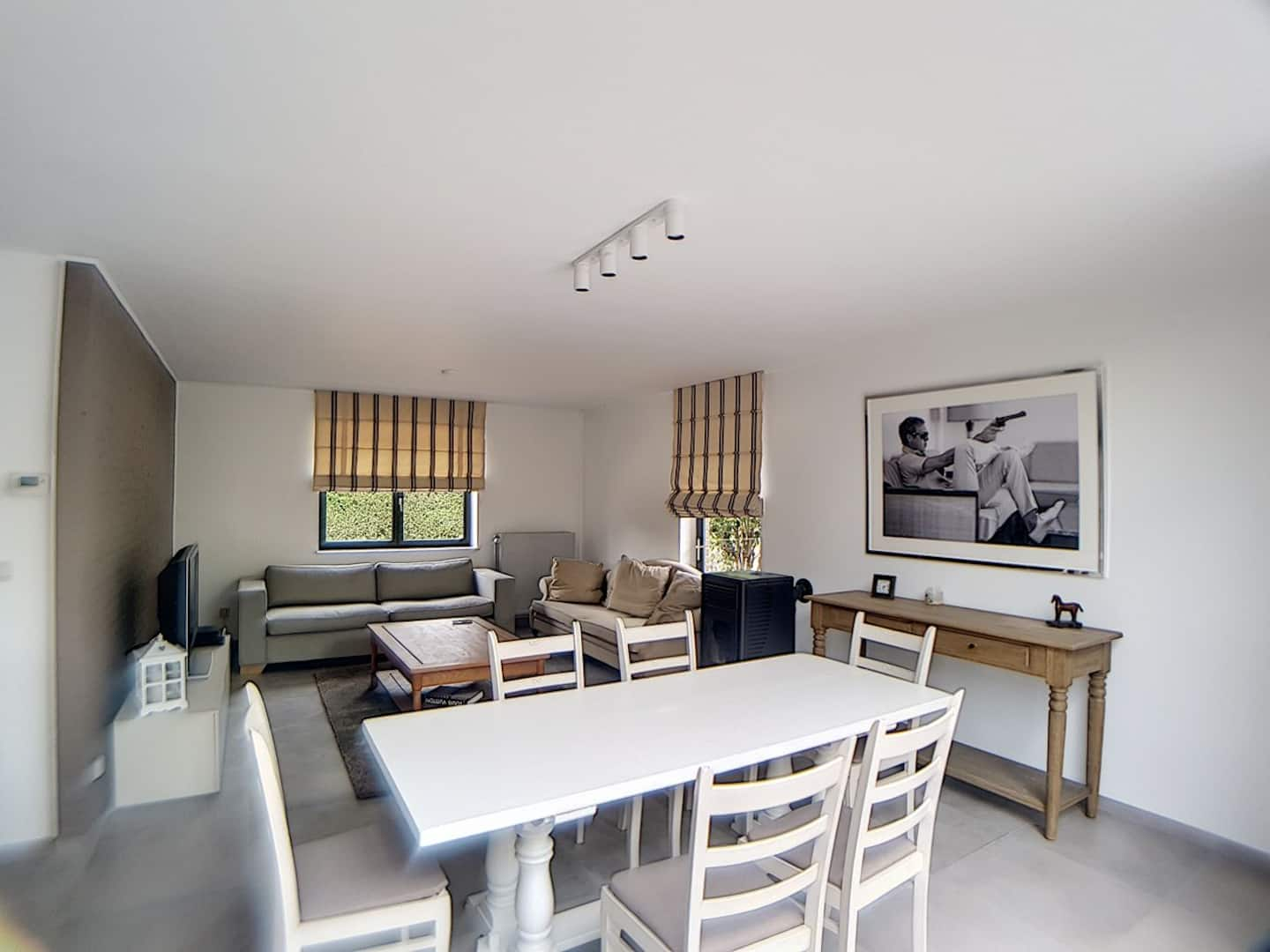

When a project runs for six weeks, three months, or longer, hotel rooms stop being practical. The nightly rate adds up fast, teams get split across locations, and basic logistics like meals, laundry, and invoicing become harder to manage than they should be. That is why long stay accommodation for companies has become a smarter option for employers housing staff in Belgium.
For HR teams, site managers, and procurement leaders, the issue is not just finding beds. It is finding housing that works operationally. Employees need a place they can actually live in, not just sleep in. Companies need predictable costs, clear contract terms, fast move-in, and one point of contact. When those pieces are in place, workforce housing becomes easier to control.
Why long stay accommodation for companies works better than hotels
Hotels still have a place for short business trips, executive travel, or one- or two-night stays. But once a company is housing several employees for weeks or months, the limits become obvious.
A hotel room is designed for temporary use by one person or maybe two. It usually does not offer the space, kitchen access, or group setup that work teams need. If you are placing technicians, contractors, or rotating crews near a site, booking multiple hotel rooms often means higher costs, scattered locations, and more administration.
Long stay accommodation for companies is built around a different use case. A furnished house or apartment gives teams more usable space, proper kitchens, living areas, Wi-Fi, utilities, and a setup that supports daily routines. That matters when employees are working demanding schedules and need a stable place to return to at the end of the day.
There is also a budget advantage. Monthly pricing is generally more efficient than paying hotel rates night after night. For companies managing medium-term assignments, that difference can be significant, especially when housing larger groups.
What business clients actually need from corporate housing
The right accommodation is not defined by appearance alone. For company use, the main question is whether the property supports the assignment without creating extra work for the people arranging it.
Capacity is usually the first issue. A company may need to house six workers together, or it may need several units for separate teams in the same area. Group occupancy matters because it affects both cost and coordination. Housing teams together can make transport simpler, reduce delays, and help supervisors keep operations organized.
The second issue is readiness. Businesses rarely want to source furniture, kitchen equipment, internet service, and utility contracts for a temporary stay. They want a unit that is ready from day one. That means furnished rooms, equipped kitchens, working Wi-Fi, and active utilities so employees can move in immediately.
Administration matters just as much. If the booking process is slow or invoicing is fragmented, the accommodation creates internal friction. Companies usually prefer one contract, one invoice, and clear terms. This is especially useful for international employers or project-based teams working under time pressure.
Flexibility is another key factor. Project timelines shift. Headcounts change. Some stays end after one month, while others extend well beyond the initial term. The best housing setup is one that can adapt without forcing the company into a rigid structure that no longer fits the job.
The cost question is bigger than rent alone
When companies compare housing options, they often start with the monthly price. That is necessary, but it is not enough. The real cost includes time, coordination, transport impact, and employee comfort.
A lower headline price can become expensive if the property is far from the worksite, lacks basic equipment, or requires multiple vendors for internet, utilities, and furnishings. The same applies when teams are spread across several locations and supervisors spend extra time managing avoidable logistics.
All-inclusive housing usually makes planning easier. When furniture, kitchen equipment, Wi-Fi, utilities, and invoicing are bundled into one offer, budgeting becomes more predictable. Procurement teams can compare options faster, and operations managers know what is covered from the start.
There is also the human factor. Workers staying for several weeks need more than a bed and a bathroom. They need a functional environment where they can cook, rest, and maintain some routine. Better living conditions can support attendance, morale, and retention during longer assignments. That is difficult to measure in a spreadsheet, but it affects project performance.
What to check before choosing accommodation
Not every furnished rental is suitable for company use. Some properties are aimed at tourists or individual tenants and do not work well for work teams. Before confirming a booking, companies should look at a few practical points.
The first is occupancy structure. How many people can stay comfortably, and how is the property laid out? A listing may technically sleep eight, but that does not mean it is well organized for eight workers living there for months. Bedroom distribution, shared space, and kitchen capacity all matter.
The second is contract clarity. Businesses need to know the minimum stay, extension options, notice conditions, and what is included in the rate. Hidden extras create budgeting problems later.
The third is location. Close access to worksites, industrial areas, transport routes, and local services can have a direct effect on daily efficiency. A cheaper property farther away may not be the better operational choice.
The fourth is responsiveness. When a company needs housing quickly, slow communication can derail the process. Fast availability checks and clear answers are not a bonus. They are part of the service.
Long stay accommodation for companies in Belgium
Belgium is a practical market for corporate housing because many business stays are tied to logistics, construction, engineering, industrial maintenance, relocation, and cross-border operations. These assignments often require housing for crews or staff over a medium-term period rather than a few nights.
That creates a specific need. Companies are not looking for leisure rentals or premium short-stay apartments aimed at tourists. They need straightforward, ready-to-live-in accommodation near the right locations, with enough capacity for teams and enough flexibility for project changes.
This is where a specialized provider makes a difference. A business-focused setup is easier to manage because the offer is already aligned with company requirements: furnished units, equipped kitchens, Wi-Fi, utilities, flexible rental periods, and invoicing adapted to professional clients. Instead of assembling those parts one by one, the company gets a workable housing solution from the start.
At Belgapromo.be, that model is built around medium-term furnished housing for companies that need to place employees quickly and keep administration simple. For employers housing groups of technicians, contractors, or project teams in Belgium, that type of offer is often a better operational fit than trying to combine hotels, private rentals, and separate service contracts.
When this option makes the most sense
Long-stay corporate housing is usually the best fit when a company needs to place several people for at least a month, when the stay is tied to a project or deployment, or when hotel costs are no longer reasonable. It is also a strong option when a business needs immediate occupancy and does not have time to prepare a property from scratch.
That said, it depends on the assignment. If one employee is visiting for two nights, a hotel may still be the simplest answer. If a senior manager needs a highly individualized executive stay, a different housing format may be more appropriate. The value of long-stay group accommodation is strongest when the need is practical, medium-term, and operational.
The companies that benefit most are usually the ones trying to reduce friction. They do not want housing to become a side project. They want a dependable setup that supports the work and stays easy to manage from the first inquiry to the final invoice.
A good accommodation decision does more than place people near a jobsite. It removes delays, reduces budget pressure, and gives workers a functional place to live while the real work gets done.