A project can be ready to start on Monday while the housing plan is still spread across hotel booking sites, expense forms, and unanswered emails. For companies sending teams to Belgium, a guide to turnkey employee lodging starts with one operational goal: give workers a practical place to live from day one, without creating extra work for HR, procurement, or site management.
Turnkey lodging is not simply furnished accommodation. It is a housing arrangement built for professional stays, where the property, utilities, internet, equipment, contract, and billing are organized as one service. For teams staying several weeks or months, that distinction has a direct effect on cost control, employee comfort, and project continuity.
What turnkey employee lodging should include
A true turnkey rental is ready for occupancy when the team arrives. Employees should not need to arrange electricity, buy kitchen equipment, wait for internet installation, or manage separate accounts for basic services. They should be able to unpack, prepare a meal, rest after work, and travel to the project site with minimal disruption.
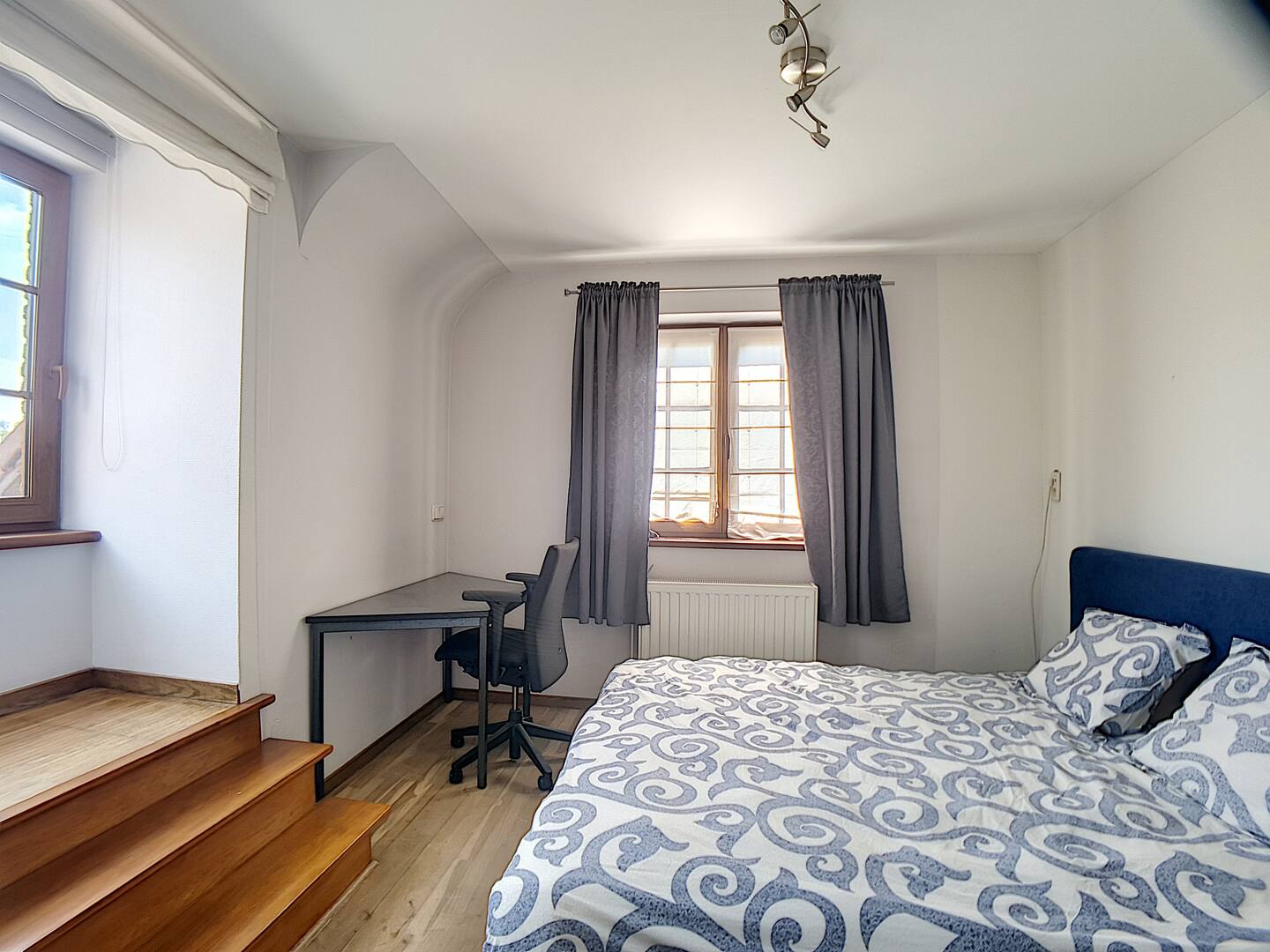
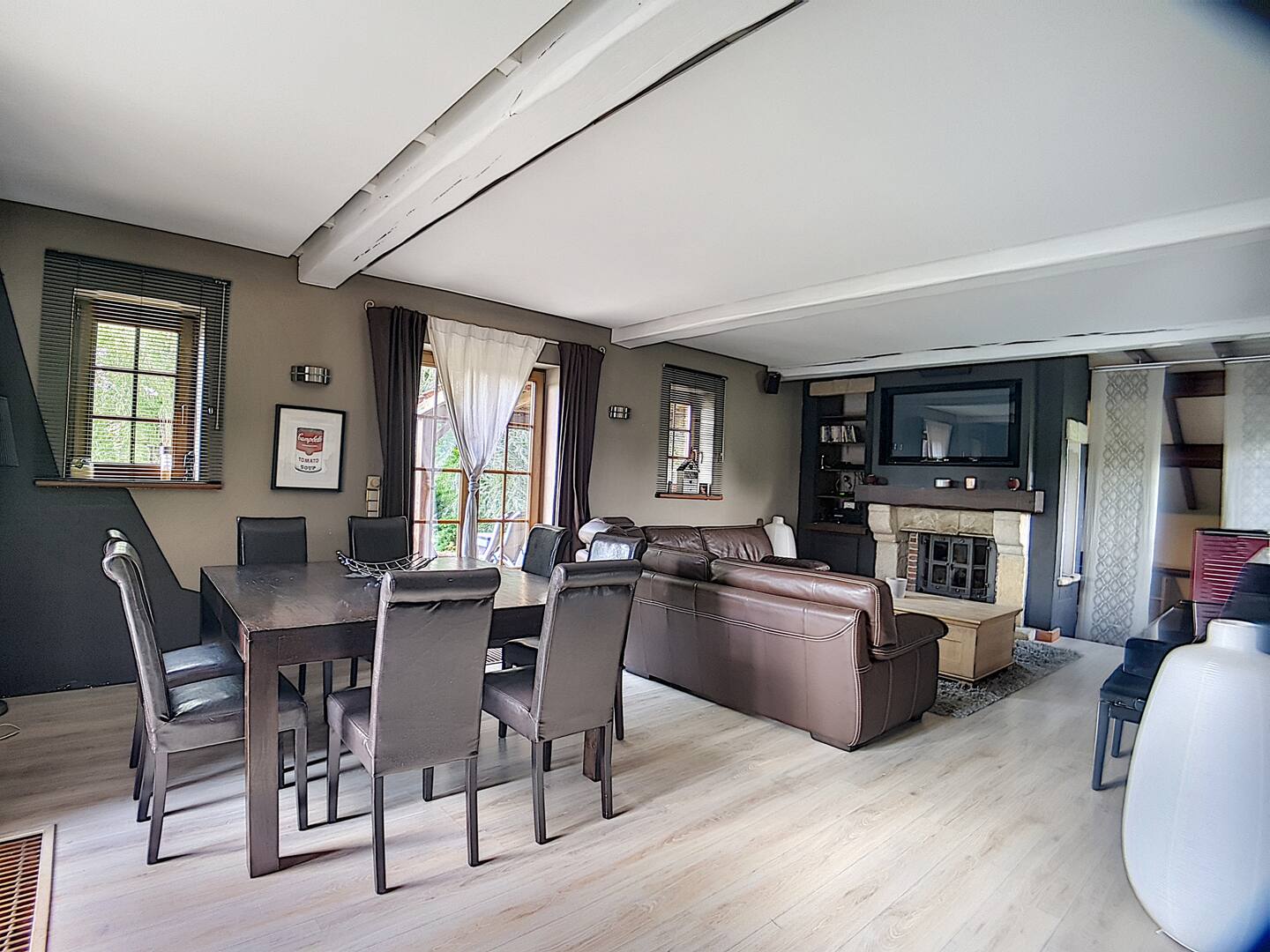
For corporate housing in Belgium, the core package typically includes furnished bedrooms and shared living areas, an equipped kitchen, high-speed Wi-Fi, utilities, and a clear company invoice. Depending on the property and team requirements, parking, laundry facilities, outdoor space, and proximity to major roads may also be important.
The point is not to provide luxury for its own sake. It is to remove the small obstacles that become expensive when a team of technicians, contractors, or relocated employees is away from home. A missing appliance, unreliable connection, or unclear utility arrangement can quickly become a site-management problem.
Guide to turnkey employee lodging: start with the assignment
The right property depends on the work assignment, not only the nightly or monthly price. Before requesting options, define the deployment in practical terms: how many people need housing, where they will work, when they arrive, how long they may stay, and what transport they require.
A team of six working near a city center has different needs from a 14-person industrial crew driving to an outlying site before sunrise. In the first case, public transportation and access to services may be central. In the second, parking capacity, road access, durable shared spaces, and enough bedrooms may matter more.
Also consider whether the workforce will remain stable. If people rotate in and out during a project, housing must be easy to administer as occupancy changes. If the assignment may extend beyond its initial schedule, a flexible contract is often more valuable than a slightly lower rate tied to a rigid end date.
Confirm occupancy and sleeping arrangements
Capacity is more than a headcount. Ask how many bedrooms are available, whether beds are individual or shared, and how bathrooms and common areas are configured. Teams can share a house comfortably when the layout respects basic privacy and gives people space to recover outside working hours.
For stays lasting months, poor sleeping arrangements can affect morale, punctuality, and retention. A lower-cost option may not be economical if it leads to regular complaints, frequent employee changes, or the need to move people halfway through the assignment.
Choose location based on travel time, not a map pin
A property that looks close to a project on a map may still create a difficult daily commute because of traffic patterns, site access restrictions, or limited parking. Evaluate the route at the times employees will actually travel. For shift-based work, this matters even more.
Belgium is well connected, but the best location is not always in the center of the nearest large city. Housing near major transport routes can reduce wasted travel time and make it easier to reach industrial zones, logistics sites, ports, and construction projects. It may also offer better value for larger team accommodation.
Compare the real monthly cost
Hotels are convenient for short visits, but they can become expensive and difficult to manage when several employees stay for multiple weeks. Separate hotel rooms also limit privacy in a different way: workers have nowhere practical to cook, do laundry, or spend time together outside the room.
When comparing lodging options, use the total monthly cost rather than the advertised base rate. A lower rent can become less attractive once utilities, Wi-Fi, furniture, kitchen supplies, cleaning arrangements, deposits, booking fees, and multiple invoices are added.
A reliable corporate housing quote should make clear what is included and what may be charged separately. This gives procurement teams a realistic budget and allows project managers to avoid unplanned expenses later in the stay.
For longer deployments, shared houses or apartments designed for groups often provide a more efficient cost per employee than individual hotel rooms. The savings are useful, but the operational benefit is equally important: one accommodation solution is easier to supervise than a collection of separate bookings.
Review contracts for operational flexibility
Temporary assignments do not always end on schedule. A construction phase can be delayed, a client can extend commissioning work, or a specialist team may need to remain on site longer than expected. Housing contracts should support that reality where possible.
Look closely at the minimum rental term, notice period, extension process, payment schedule, and rules for changing occupancy. A contract starting at one month can suit many business assignments, while longer arrangements may offer greater stability for projects with a known timeline.
There is a trade-off. Highly flexible terms may cost more than a longer committed rental, while a fixed contract can improve price predictability but reduce room to adapt. The right choice depends on how certain the project schedule is and how costly a last-minute move would be.
Company invoicing is another practical point. A single, clearly structured invoice reduces administrative work, supports internal cost allocation, and avoids asking employees to pay personally and submit reimbursement claims. For international employers, clear communication and multilingual support can also prevent avoidable delays.
Check the property through the worker experience
The people using the accommodation will judge it by daily function, not by a property description. A useful review process considers what happens before work, after work, and during an unexpected issue.
Before confirming a property, verify these essentials:
- Enough beds, bathrooms, and common space for the full team
- A properly equipped kitchen suitable for regular meal preparation
- Dependable Wi-Fi for personal use and work-related communication
- Heating, utilities, and furnishings included in the agreed price
- Parking or practical transport access for the team’s work schedule
- A clear contact process for maintenance questions or urgent needs
This is especially relevant for employees who are away from home for extended periods. Comfortable, functional lodging supports rest and routine. It does not replace good workforce management, but it removes a common source of frustration that can distract from the job.
Plan the booking process early
The strongest housing options for groups can be limited, particularly when a project requires a specific location, larger capacity, or a fast move-in date. Starting early gives companies more choice and more leverage to match the property to the assignment.
A concise housing request should include the target area, number of occupants, expected arrival date, expected duration, preferred budget range, vehicle needs, and any non-negotiable requirements. If employees have shift patterns or need separate bedrooms, include that information immediately. It helps the provider recommend suitable accommodation rather than sending generic options.
Speed still matters when a project is already underway. In that situation, prioritize availability, clarity of included services, and immediate usability. A property that is ready now can be more valuable than a theoretically better option that requires extra setup or cannot accommodate the full team.
For companies managing workforce deployments in Belgium, turnkey employee lodging works best when it is treated as part of project planning rather than a last-minute travel task. The right accommodation gives employees a dependable base, gives managers a predictable cost structure, and gives the project one less moving part to worry about.
A practical next step is to prepare a standard housing brief for every new assignment. With team size, location, dates, transport needs, and budget defined from the start, arranging employee lodging becomes a controlled business decision instead of an urgent scramble.