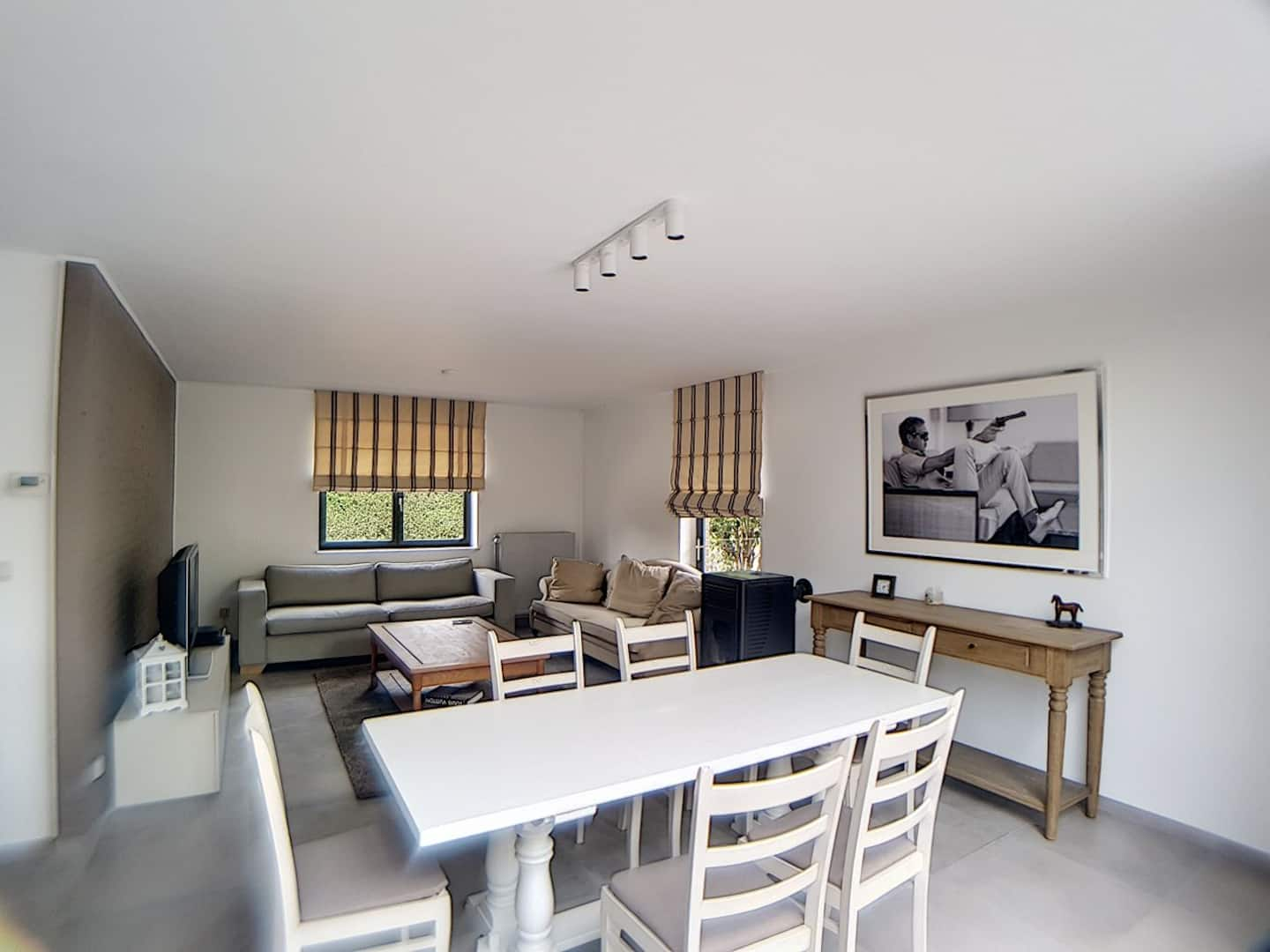
When a project start date is fixed and the team is already scheduled, learning how to book worker accommodation becomes an operational task, not a nice-to-have. The wrong booking creates daily friction - long commutes, missing kitchen facilities, split invoices, and workers spread across multiple properties. The right booking keeps the team settled, the budget controlled, and the admin manageable.
How to book worker accommodation without delays
The fastest way to book well is to define the non-negotiables before you request anything. Most delays happen because companies ask for "housing for a team" without confirming headcount, work location, arrival date, stay length, or whether the team needs separate beds, parking, or a fully equipped kitchen. Suppliers can only match the right property when the brief is clear.
For business use, worker accommodation should be treated like a project requirement. Start with the site address or work zone, then calculate acceptable travel time. In many cases, saving a little on rent but adding a long daily commute costs more in fuel, planning issues, and fatigue. If the team is working shifts, location matters even more.
Next, confirm the actual occupancy setup. A property for 8 people is not automatically suitable for 8 workers if the bedroom layout does not fit the team. Some groups need single beds only. Others need a mix of private and shared rooms. This is where hotel-style booking logic often fails. Worker housing needs to reflect how teams actually live during a one-month to one-year assignment.
What companies should confirm before booking
Before you compare properties, collect the practical details internally. This saves time and avoids back-and-forth later.
Start with five core points: number of workers, exact work area, move-in date, expected rental period, and required services. Required services usually include furniture, equipped kitchen, Wi-Fi, utilities, and company invoicing. If these are not included from the start, the accommodation may look cheaper on paper than it really is.
It also helps to clarify whether the team will stay for a fixed period or whether extensions are possible. A one-month booking that turns into six months can become expensive and disruptive if the contract is too rigid. Flexibility matters, but it should be realistic. The cheapest option is not always the most efficient one if it creates relocation problems halfway through a project.
Parking, laundry, and immediate availability should also be addressed early. These details are easy to overlook, but they affect day-to-day use. For mobile teams, technicians, and contractors, practical living conditions matter as much as price.
How to evaluate worker accommodation properly
When companies ask how to book worker accommodation, they often focus first on nightly or monthly rate. That is understandable, but rate alone is not enough. A better question is whether the property reduces total accommodation costs and operational effort.
A house or apartment designed for group occupancy usually performs better than booking multiple hotel rooms for medium-term stays. Workers have shared living space, a kitchen, and more comfort for longer assignments. The company gets one booking structure instead of managing separate rooms and separate service charges. Over several weeks or months, that difference becomes significant.
The other key factor is readiness. If a property is fully furnished and fully equipped, the team can move in immediately. There is no need to organize furniture, internet installation, utility activation, or kitchen basics. For companies managing deployments at speed, turnkey readiness is not a minor detail. It directly affects how quickly people can begin work without distraction.
A suitable property should answer practical questions clearly. How many people can it house? What is included in the monthly price? Are utilities and Wi-Fi part of the package? Is company billing available? Can the contract match the project duration? If those answers are vague, expect extra admin later.
The most common booking mistakes
The first mistake is booking too late. In active industrial and logistics areas, suitable group housing can move quickly. Waiting until the final week before arrival limits options and often forces companies into poor-fit solutions.
The second mistake is underestimating the importance of team-based layout. A property may technically have enough beds but still create problems if the living arrangement is impractical. Worker accommodation should support rest, routine, and shared use over time.
The third mistake is comparing unlike-for-like offers. One property may appear cheaper, but if it excludes utilities, furniture, internet, or cleaning arrangements, the final cost can be higher. Always compare the full operational package.
Another common issue is booking in separate locations to solve a capacity problem. This may work for very short stays, but for medium-term assignments it increases transport coordination, check-in logistics, and communication issues. Keeping a team together is usually simpler and more efficient when the housing allows it.
How to compare offers from housing providers
A good offer should be easy to read and easy to verify. For business clients, clarity is part of the service.
Check whether the quote states occupancy capacity, included equipment, rental term, billing terms, and availability window. If the offer is written in broad marketing language without operational detail, ask for specifics immediately. Procurement teams and operations managers need a quote they can approve quickly, not one that raises more questions.
It is also worth checking how the provider handles changes. Projects move. Headcount changes. Dates shift. The ideal arrangement is not unlimited flexibility at any price. It is a contract structure that can adapt within reason without forcing the company to restart the housing search.
Responsiveness matters too. If communication is slow before booking, it rarely improves later. For companies placing teams in Belgium from abroad or coordinating multilingual staff, responsive support is a practical advantage, not a sales extra.
A simple process for booking faster
The most efficient approach is to treat accommodation booking like procurement for a temporary operational base.
First, define the team profile. Confirm how many workers are coming, whether they are arriving together, and how long they are expected to stay. Second, define the location priority by worksite and commuting range. Third, define the housing standard required for immediate occupancy, including furniture, kitchen equipment, internet, utilities, and invoicing.
After that, request availability based on those facts, not on a general idea. Review only properties that fit the team size and contract period. Then compare total monthly cost, not headline rent alone. Finally, confirm move-in readiness and billing process before approving the booking.
This approach sounds simple because it is. The challenge is usually not the booking itself. It is the missing information inside the company before the request is sent.
How to book worker accommodation for longer stays
For stays of one month or more, comfort and routine matter more than companies sometimes expect. Workers who have space to cook, rest, and live normally tend to settle faster than workers placed in short-stay formats not designed for extended occupancy.
That does not mean every assignment needs high-end housing. It means the accommodation should be fit for purpose. A straightforward, furnished house or apartment with reliable Wi-Fi, equipped kitchen, utilities, and enough capacity for the team often provides the best balance between cost control and livability.
Longer stays also increase the value of administrative simplicity. One contract, one provider, and one company invoice reduce internal workload. For HR teams, site managers, and business owners, that simplicity is often as important as the rental price itself.
For companies housing teams in Belgium, Belga Promo fits this model by offering furnished, ready-to-live-in houses and apartments for groups, with practical contract lengths and business-oriented billing.
What the best booking decision usually looks like
The best booking is rarely the cheapest line item. It is the option that supports the project with the fewest complications. That usually means housing close enough to the worksite, large enough for the team, ready for immediate use, and structured around medium-term business stays rather than short leisure travel.
If you are deciding between a lower monthly rate and a more complete offer, look at the total effect. A fully equipped property with utilities, Wi-Fi, furniture, and company invoicing may cost slightly more upfront but save time, reduce hidden charges, and make the stay easier for everyone involved.
When the accommodation works, it fades into the background. Workers know where they are staying, managers are not solving housing issues at 10 p.m., and the project keeps moving. That is usually the clearest sign you booked it right.