
When a project starts in two weeks and ten workers need to be on site from day one, housing stops being a side task. It becomes an operational issue. That is where team housing matters. For companies placing technicians, contractors, installers, or relocation staff in Belgium, the right setup can reduce cost, save admin time, and make longer assignments easier to manage.
Hotels can work for a few nights. They become expensive and fragmented when a team stays for a month or more. Booking individual rooms across multiple properties also creates avoidable problems - separate invoices, limited cooking facilities, less privacy, and very little sense of routine for the people actually doing the work.
Team housing is different because it is built around group occupancy and practical daily use. Instead of scattering employees across hotel rooms, companies place them in furnished houses or apartments that are ready to live in immediately. That setup is often a better fit for project-based work, industrial deployments, shutdowns, relocations, and medium-term assignments.
What team housing actually means
In business terms, team housing is furnished accommodation arranged for a group of employees who need to stay near a work location for several weeks or several months. The emphasis is not on tourism or short-term travel. It is on operational readiness.
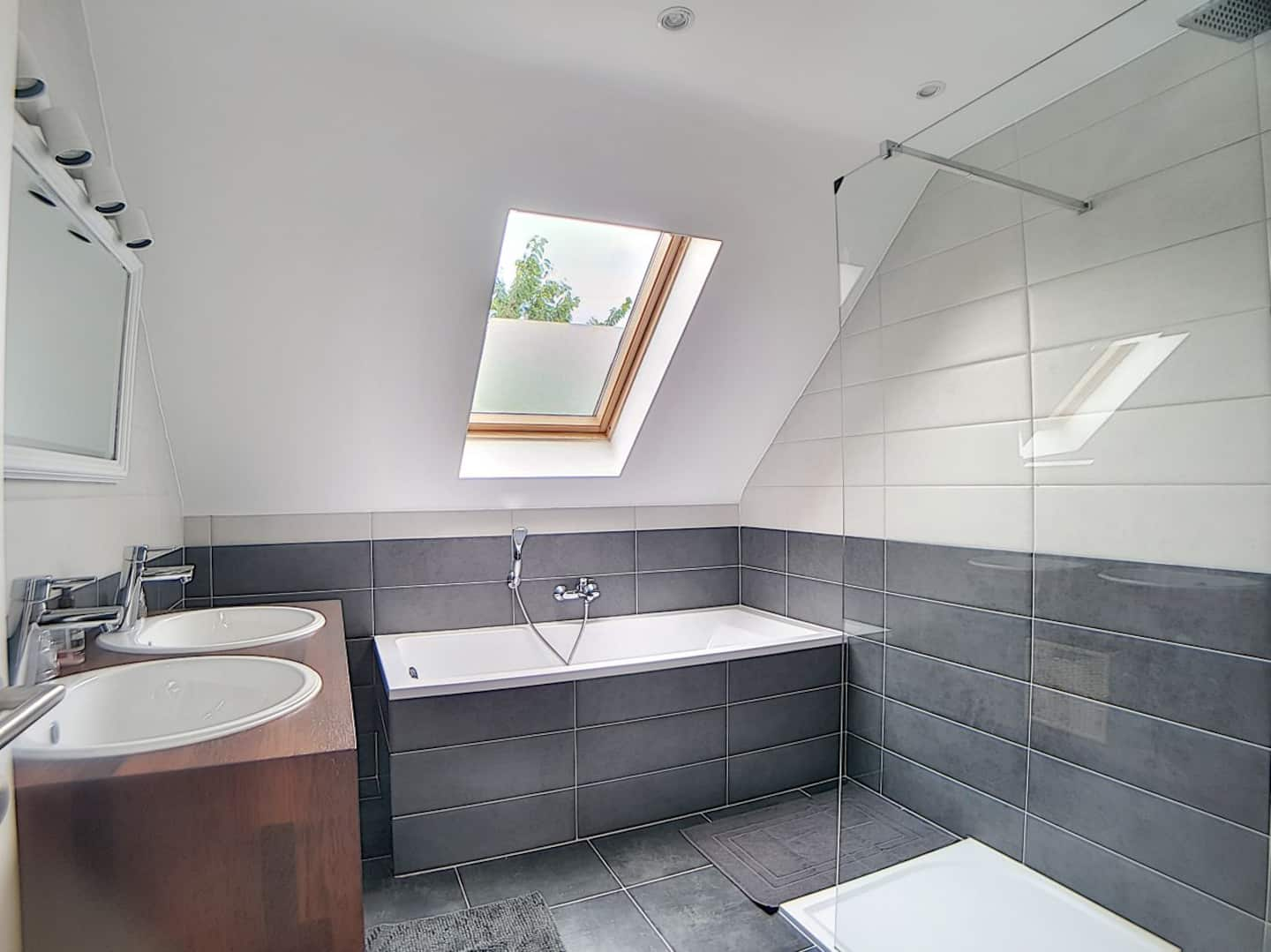
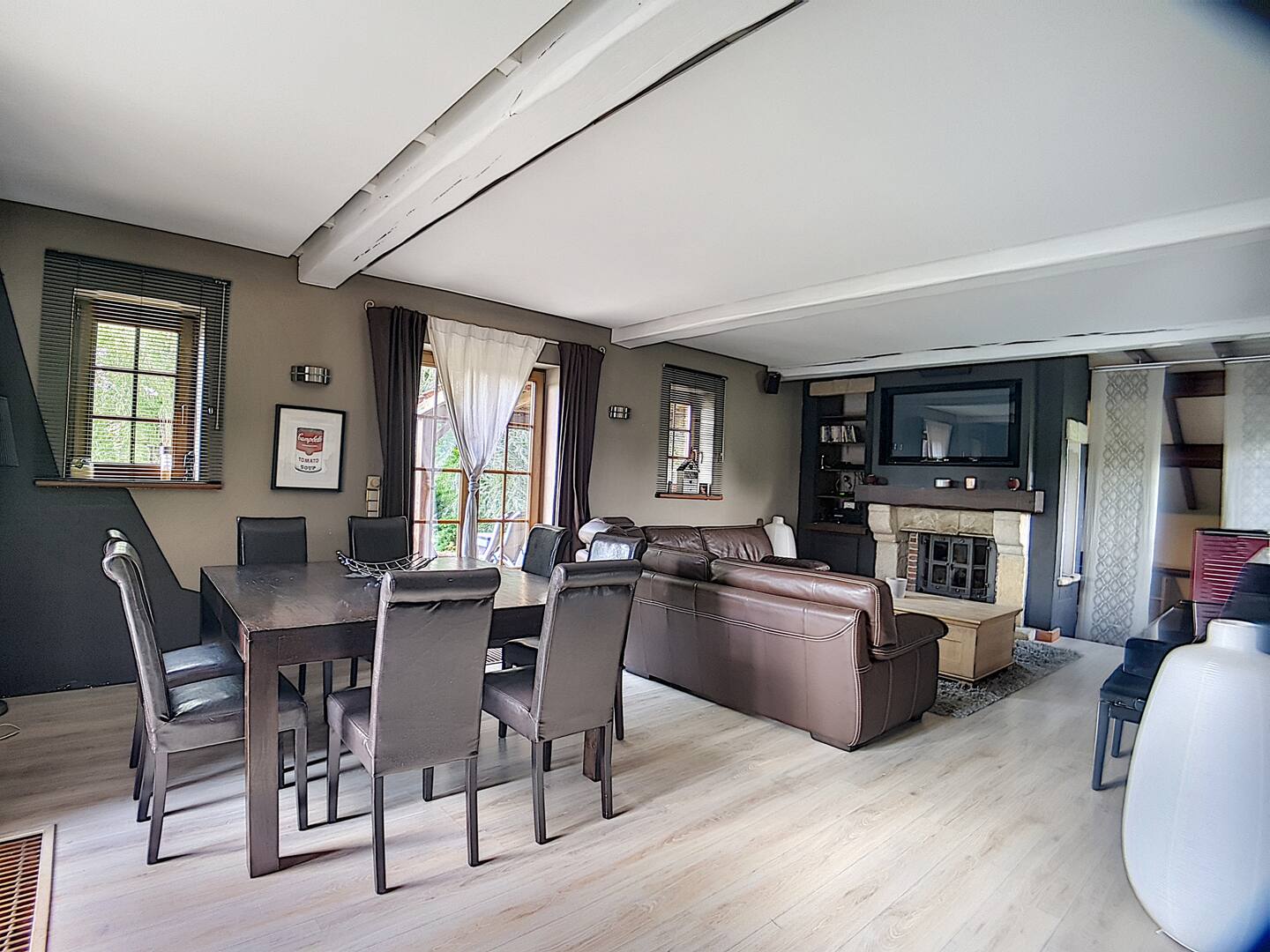
That distinction matters. A property suitable for team housing needs to work for real day-to-day living. Employees need beds, storage, equipped kitchens, reliable Wi-Fi, utilities already active, and enough shared space to make the stay workable. If the contract is rigid, the invoicing is messy, or the property is not set up for groups, the accommodation creates extra work instead of removing it.
For most employers, the goal is simple. They need housing that can be occupied quickly, supports a team rather than one traveler, and does not require constant coordination after move-in.
Why companies choose team housing over hotels
The main reason is cost control, but that is only part of the picture. Over a medium-term stay, hotel pricing usually becomes hard to justify, especially when several workers are involved. Add meals, laundry, parking, and repeated booking changes, and the total cost climbs fast.
Team housing often brings those costs into a more predictable structure. A furnished rental with utilities, internet, and equipment included gives procurement and operations teams a clearer monthly view. Company invoicing also helps reduce paperwork compared with collecting individual hotel receipts from multiple employees.
There is also the practical side. Workers on assignment usually need more than a bed. They need a place to prepare meals, rest properly, manage laundry, and keep some normal routine between shifts. That is especially true on physically demanding projects or deployments that run for several months.
Comfort is not a soft extra here. It affects attendance, morale, and how sustainable the assignment feels over time. If a team is tired of living out of suitcases after the first week, the housing choice was not efficient, even if it looked convenient at booking stage.
What to look for in team housing
Not every furnished property is suitable for a work team. A good corporate setup starts with occupancy logic. The layout should make sense for six, eight, ten, or more people, with enough sleeping capacity and shared facilities to avoid friction.
Location is the next decision point. For business use, proximity to the worksite, industrial area, transport routes, or logistics hubs usually matters more than a city-center address. A shorter commute reduces stress, saves time, and lowers transport costs across the full assignment.
Inclusions matter just as much as location. Fully furnished should mean more than basic furniture. Companies should expect equipped kitchens, working appliances, Wi-Fi, utility connections already in place, and accommodation that can be occupied without a setup period. If managers still need to arrange internet activation, source kitchen items, or solve basic utility issues, the property is not truly turnkey.
Flexibility also deserves attention. Project timelines change. Headcounts shift. Extensions happen. The best team housing arrangements allow companies to respond without starting the entire search again.
Team housing in Belgium has specific advantages
Belgium is a common base for technical projects, logistics operations, industrial maintenance, construction work, and cross-border business activity. That creates steady demand for medium-term worker accommodation in locations that are practical rather than tourist-focused.
For employers, this means the housing provider needs to understand business mobility, not leisure rental. Availability speed matters. So does the ability to handle international companies, multilingual communication, and clear company billing.
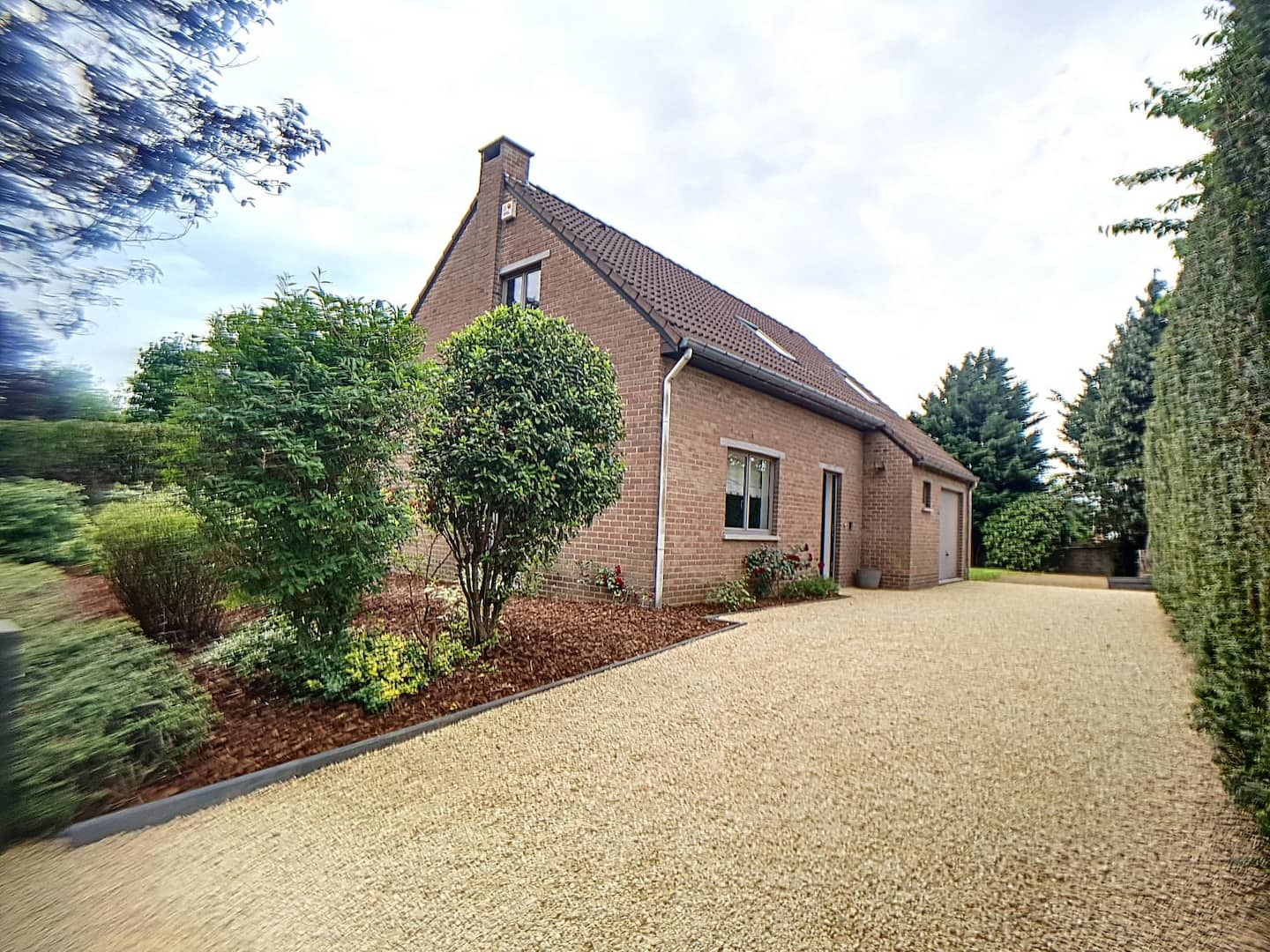
A provider structured around corporate use can remove a lot of friction from the process. Belga Promo, for example, focuses on furnished houses and apartments in Belgium designed for group occupancy, with all-inclusive terms and contract flexibility suited to project teams. That kind of model works well when companies need to move quickly and avoid piecing together separate services.
When team housing makes the most sense
The strongest use case is usually a stay of one month or longer. At that point, the limits of hotels become more obvious, and the value of a ready-to-live-in group property becomes easier to measure.
This applies to several common situations. A contractor may need to place electricians near a site for three months. A manufacturer may bring in external technicians for an installation period. An employer may relocate a group before permanent housing is finalized. A business may also need temporary accommodation for rotating staff supporting a long project in Belgium.
There are trade-offs, of course. If one executive needs a two-night stay in a city center, a hotel is still the simpler choice. If a team is spread across multiple job sites with different schedules, separate properties might make more sense than one shared house. The right decision depends on stay length, team size, commute patterns, and how much coordination the employer wants to manage internally.
The admin side matters more than most teams expect
Housing decisions often get judged on nightly price first. That is understandable, but it misses the labor cost behind the booking. If HR or operations staff need to manage multiple reservations, chase receipts, answer worker complaints about room changes, and rebook stays week after week, the accommodation is consuming time that should be spent elsewhere.
A structured team housing solution reduces that overhead. One contract, one invoice, one point of contact, and one move-in plan can be far easier to manage than ten separate hotel bookings. For procurement and finance teams, that kind of simplicity has real value.
It also helps with accountability. Everyone knows where the team is staying, what is included, how long the term runs, and who to contact if something changes. That level of clarity is useful when assignments move fast or involve international decision-makers.
Worker comfort affects project performance
Employers do not always frame housing as a productivity issue, but it often is one. Teams perform better when accommodation supports basic routine. That means decent space, working internet, proper kitchens, and an environment that feels stable enough for a month or more.
Shared housing is not automatically the right fit for every group. Team dynamics matter. The property size and layout matter too. But when the accommodation is designed for professional occupancy rather than improvised sharing, the setup is usually more practical than keeping workers isolated in hotel rooms with limited facilities.
The result is often better for both sides. Workers get a more livable environment, and employers get a housing arrangement that is easier to budget and manage.
How to assess a team housing option quickly
The fastest way to evaluate a property is to focus on five business questions. How many people can it house comfortably, not just technically? Is it fully equipped for immediate occupancy? Is the location practical for the actual worksite? Are utilities, Wi-Fi, and furnishings included in one price? And can the contract match the expected project term, including possible extension?
If those answers are clear, the decision process becomes much easier. If they are vague, delays usually follow.
For companies managing employee stays in Belgium, team housing is not just an accommodation category. It is a way to reduce booking complexity, control medium-term lodging costs, and give work teams a place that functions from the first day. The best housing choice is the one that keeps the project moving without creating extra work behind the scenes.