When a project starts next week and housing is still unresolved, the cost is not just inconvenience. It shows up in delayed arrivals, extra admin, hotel overspend, and tired teams trying to work out basic logistics after a long day on site. That is where the top benefits of furnished accommodation become very practical for employers managing staff housing in Belgium.
For companies placing technicians, contractors, supervisors, or relocation hires for several weeks or months, furnished accommodation solves a business problem. It gives teams a ready-to-live-in base without asking HR, procurement, or site management to coordinate furniture, utilities, internet, kitchen equipment, and multiple vendors. The appeal is not decorative. It is operational.
Why the top benefits of furnished accommodation matter for employers
Hotels work well for short stays, especially when one person is traveling alone for a few nights. That logic changes when a company needs housing for six, eight, or twelve people for a month or longer. At that point, the decision is less about booking rooms and more about managing cost, comfort, administration, and reliability.
Furnished accommodation sits in the middle ground between a hotel and a traditional unfurnished rental. It gives employers the speed and simplicity they need, while offering workers a more stable living setup. For project-based housing, that combination is often the difference between a manageable arrangement and a recurring operational headache.
1. Immediate occupancy saves time at the start of an assignment
One of the clearest advantages is speed. A furnished property is ready for use from day one. Beds, seating, kitchen equipment, appliances, Wi-Fi, and utilities are already in place, so teams can arrive and settle in immediately.
That matters when project schedules are tight. If employees are mobilized quickly for construction, industrial maintenance, shutdowns, or technical installations, there is usually little appetite for a staged move-in. No company wants to spend the first week sourcing cookware, arranging internet activation, or waiting for electricity contracts to be finalized.
Immediate occupancy also reduces internal coordination. Instead of assigning someone to manage setup tasks across several suppliers, the employer gets one ready-to-use accommodation solution.
2. Cost control is stronger than with long hotel stays
For medium-term stays, hotels often become expensive very quickly. The nightly rate may seem manageable at first, but the total cost rises fast when you multiply it by several workers and several weeks. Add meals, laundry, parking, and room-by-room booking complexity, and the budget becomes harder to control.
Furnished accommodation usually gives companies a more predictable monthly housing cost. That is particularly useful for procurement teams and operations managers working with project budgets. When furniture, utilities, internet, and core living equipment are bundled into one arrangement, forecasting is simpler and surprise costs are less common.
This does not mean furnished accommodation is always cheaper in every case. For a very short stay or a single traveler, a hotel may still be the better fit. But for group occupancy and longer assignments, furnished housing often delivers stronger cost efficiency per person.
3. Better living conditions support workforce performance
Employees who stay away from home for weeks or months need more than a bed. They need a place where they can rest properly, cook meals, do laundry, and maintain a workable routine. That is one of the most overlooked points when companies compare accommodation types only by headline price.
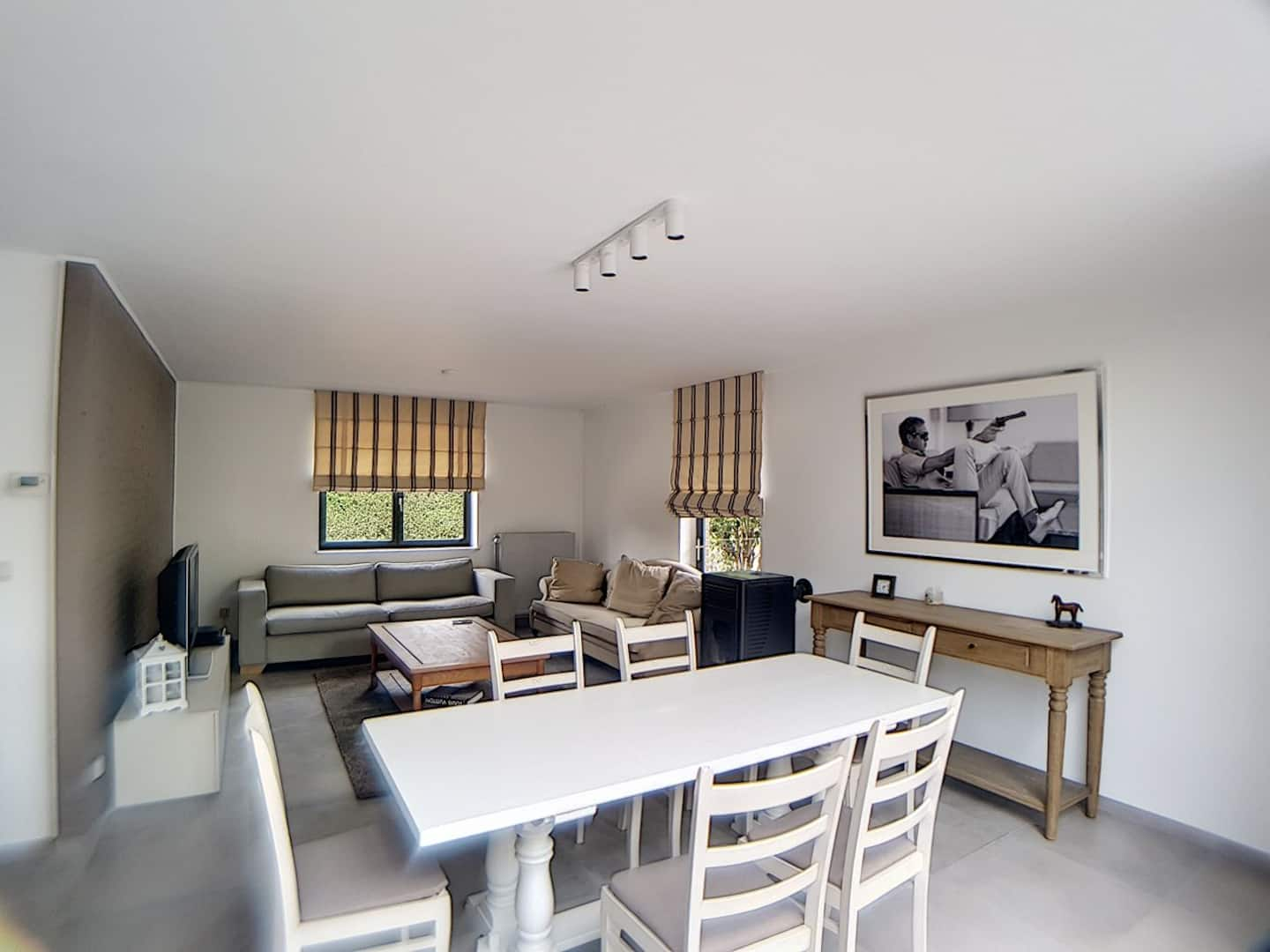
A furnished house or apartment generally provides more livable space than a standard hotel room. Shared common areas, equipped kitchens, and separate sleeping arrangements help workers decompress after work and maintain some normal structure. This is especially valuable for teams on physically demanding assignments.
Comfort has a business effect. Workers who sleep better, eat more normally, and feel settled tend to cope better with long deployments. That does not eliminate fatigue or site pressure, but it improves day-to-day living conditions in a way that supports consistency.
4. Group accommodation is easier to manage than scattered bookings
When a company houses a team across multiple hotel rooms, coordination becomes fragmented. Arrival schedules, invoices, room changes, extensions, and communication are spread across separate reservations. If one part of the booking changes, the admin effort increases quickly.
Furnished accommodation designed for multiple occupants brings the team together in one place. From an employer's perspective, this simplifies logistics. Transport planning is easier, internal communication is easier, and supervision is often easier when workers are housed in one practical location rather than dispersed across different properties.
There are limits, of course. Not every team should be housed together in every situation. Seniority levels, privacy expectations, and shift patterns may influence the setup. But for many operational teams, especially on project sites, shared furnished housing is far more manageable than piecing together multiple hotel stays.
5. Administration becomes simpler and more predictable
One reason companies move away from standard short-stay booking models is admin fatigue. Multiple reservations, separate utility arrangements, deposits with different providers, expense claims, and scattered invoices all create extra work.
A turnkey furnished rental reduces that burden. When accommodation, utilities, internet, and furniture are included in one package, there are fewer moving parts to manage. For HR and procurement, that can mean less time chasing paperwork and fewer exceptions to explain internally.
Company invoicing is another practical benefit. For business clients, clean billing matters almost as much as the accommodation itself. A structured corporate housing offer is easier to approve, allocate to a project, and reconcile against cost centers than a patchwork of hotel bills and setup expenses.
6. Flexible terms fit real project timelines better
Workforce housing rarely follows perfect calendar logic. Projects get extended. Start dates move. Team sizes change. A rigid lease can create the wrong kind of pressure if the business needs to adjust quickly.
That is why flexibility is one of the top benefits of furnished accommodation for corporate use. Medium-term furnished rentals often suit the reality between very short stays and long traditional leases. Companies can secure housing for the duration they actually need, whether that is one month, several months, or longer.
The trade-off is that flexibility may depend on availability, location, and occupancy size. It is not a blank check. Still, compared with conventional rental models that expect a full household setup and long commitment, furnished corporate accommodation is usually far better aligned with temporary business demand.
7. A turnkey setup reduces risk during mobilization
Every accommodation decision carries risk. Will the team have internet on arrival? Is the kitchen usable? Are the utilities active? Is the property actually ready for occupancy? If the answer to any of those questions is no, the employer absorbs the disruption.
A properly managed furnished accommodation offer lowers that risk because the essentials are already arranged. That is especially important for international companies deploying staff into Belgium who may not have local supplier contacts, language coverage, or time to solve housing issues piece by piece.
Turnkey readiness also helps when mobilization happens quickly. If workers can move in without setup delays, the company avoids the domino effect of temporary hotel stays, taxi costs, missed work time, and employee frustration. Belga Promo operates in that practical space, where readiness matters more than presentation.
Choosing furnished accommodation based on use case
Not every furnished property delivers the same value. For corporate housing, the real question is whether the setup matches the assignment. A one-bedroom apartment may suit a relocating manager, while a larger fully equipped house makes more sense for a technical team working on a site project.
Decision-makers should look at occupancy capacity, sleeping arrangements, kitchen readiness, Wi-Fi quality, parking practicality, contract terms, and location relative to the worksite. These are not secondary details. They determine whether the housing will actually function for the team using it.
It is also worth checking how the accommodation is managed. A furnished property with unclear support, slow response times, or partial inclusions can still create friction. The best result comes from a provider that treats housing as an operational service, not just a real estate listing.
The business case is simple
The strongest case for furnished accommodation is not that it feels more premium. It is that it removes friction from employee housing. Companies get faster move-ins, more predictable costs, better living conditions, and less administration. Workers get a place they can actually live in, not just sleep in.
When assignments last longer than a few nights and involve more than one traveler, those advantages become hard to ignore. The right housing setup will not run the project for you, but it can make the entire deployment easier to manage from the first arrival onward.
If you are arranging housing for teams, the better question is not whether furnished accommodation sounds convenient. It is whether your current setup is costing more time, money, and effort than it should.