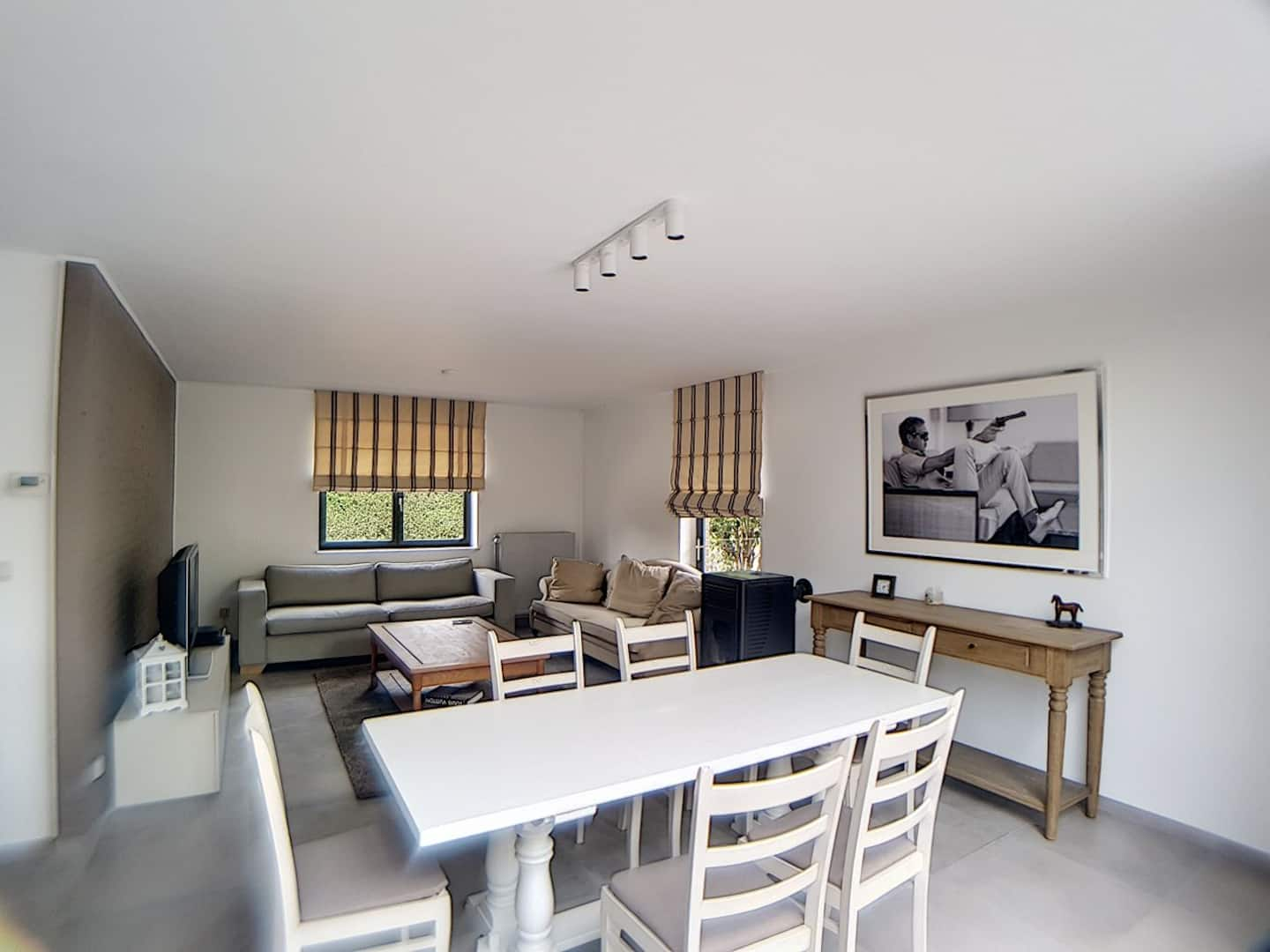

A project team can arrive in Belgium with work scheduled for Monday morning and still lose valuable days to housing logistics. Hotel rooms may be available, but they rarely give technicians, contractors, or relocated employees the space, kitchen access, privacy, and predictable cost structure needed for a multi-week assignment. Turnkey workforce accommodation benefits begin with removing that delay: teams arrive at a furnished property that is ready to use from day one.
For companies managing temporary deployments, accommodation is not simply a travel expense. It affects attendance, worker well-being, administrative workload, and the ability to keep a project on schedule. A properly structured corporate housing solution turns a recurring operational problem into a manageable part of project planning.
What Turnkey Workforce Accommodation Includes
Turnkey accommodation means the property is prepared for immediate occupancy. Instead of arranging furniture, appliances, internet service, utility accounts, and separate supplier payments, the employer receives housing with the practical essentials already in place.
For workforce teams, that typically includes furnished bedrooms and common areas, an equipped kitchen, high-speed Wi-Fi, utilities, and company invoicing. Employees can sleep, cook, wash clothes, and connect to work without spending their first week buying household items or waiting for services to be installed.
The difference matters most when several people need to live near the same worksite. A house or apartment designed for six to 16 occupants gives teams shared living space while avoiding the fragmented experience of booking many individual hotel rooms. It also gives managers one accommodation arrangement to monitor instead of a long list of reservations, extensions, and expense claims.
1. Faster Deployment When Timing Is Tight
Speed is often the first reason companies choose ready-to-live-in housing. Industrial shutdowns, construction phases, maintenance work, and cross-border assignments can change quickly. Once a team is confirmed, the accommodation needs to match the deployment date, not become another task delaying it.
With a turnkey rental, the operational setup has already been completed. Employees do not need to organize internet access, sign up for electricity, purchase cookware, or coordinate furniture delivery. They can arrive with personal belongings and focus on the assignment.
This is particularly useful for foreign companies sending staff to Belgium for the first time. Local housing rules, supplier contracts, and language differences can add friction when an employer tries to assemble a short-term living arrangement independently. A provider that handles furnished, equipped group housing reduces those local setup issues.
2. More Predictable Accommodation Costs
A hotel can look simple at the start of a project, but the total cost becomes harder to control as stays extend. Daily rates, laundry, meals, parking, taxes, room changes, and separate expense reimbursements can all increase the final figure. This is especially relevant when the same team needs housing for one month, several months, or longer.
An all-inclusive furnished rental gives procurement and operations teams a clearer cost base. Housing, utilities, Wi-Fi, and furnishings are bundled into an agreed rental arrangement. That makes budgeting more reliable and reduces the number of variable charges that need review.
Cost savings depend on location, occupancy, length of stay, and the standard of property required. A hotel may still be suitable for a two-night visit, executive travel, or a single employee who needs to be in a city center for a short period. For a larger work crew staying for weeks, group accommodation generally offers better value because the cost is spread across the property rather than repeated room by room.
3. Better Living Conditions for Long-Stay Teams
Employees on assignment need more than a bed. They need a practical place to recover after work, prepare meals, keep belongings, and maintain a normal routine. This is where turnkey workforce accommodation benefits become visible beyond the budget line.
A shared house or apartment gives workers usable living space rather than limiting them to separate rooms. An equipped kitchen can reduce meal costs and give employees more choice after long shifts. Common areas make it easier for colleagues to coordinate transport, prepare for the next day, or simply spend time outside a work environment.
Privacy still needs consideration. A property should be selected according to team size, shift patterns, and the expected length of stay. A close-knit crew working the same schedule may be comfortable sharing a larger house. Teams with mixed roles, longer assignments, or rotating shifts may need more bedrooms, more bathrooms, or a layout that provides greater separation. The right option is not always the cheapest property. It is the one that supports reliable attendance and reasonable living conditions without creating avoidable friction.
4. Less Administration for HR and Operations
Housing administration can become disproportionate to the value of the task. Booking multiple rooms, collecting invoices, handling extensions, answering employee questions, and reconciling travel expenses takes time away from recruitment, site management, payroll, and project coordination.
A single corporate rental arrangement simplifies that work. One provider, one agreed scope of included services, and company invoicing give the responsible manager a clearer process. If the project timeline changes, the discussion is about adjusting one accommodation plan rather than renegotiating numerous individual bookings.
This is also useful for organizations with several stakeholders involved. HR may be responsible for employee welfare, operations may need a location near the site, procurement may need cost visibility, and finance may require correct company documentation. A turnkey model gives each function a more straightforward basis for approval and reporting.
5. Flexible Terms That Match Project Reality
Workforce housing should fit the assignment, not force the assignment to fit a rigid lodging model. A project may run for one month, then extend after a client request or an unexpected technical issue. Staffing levels can also rise during peak phases and decrease once commissioning or maintenance work is complete.
Medium-term furnished rentals are well suited to this type of planning. They offer a practical alternative between short hotel stays and conventional residential leases that may require long commitments, unfurnished properties, or individual tenant administration.
Flexibility does not mean every change is automatic. Availability, notice periods, property capacity, and local rental conditions still apply. Companies should confirm likely project duration early, communicate possible extension scenarios, and ask how additional workers can be accommodated if the team grows. Clear information at the start improves the chance of keeping the same team together when plans change.
6. Stronger Team Coordination Near the Worksite
Location affects more than commuting time. When workers are housed near a project location or major transport route, the company can reduce the risk of late arrivals, fatigue from long daily travel, and complicated transport planning. This is especially relevant for early starts, rotating shifts, or sites outside major city centers.
Keeping colleagues in the same property or nearby properties can also improve coordination. Team members can travel together, share practical updates, and maintain a more consistent routine. For site managers, it is easier to communicate with a group that is housed in a known location than with employees dispersed across multiple hotels or private rentals.
The best location depends on the job. A central address may be useful for client meetings or public transport access, while a property closer to an industrial zone may be more practical for a crew with vehicles and early shifts. The decision should start with the daily route to the worksite, not with the most familiar city name.
How to Assess a Workforce Accommodation Option
Before confirming housing, companies should review the details that affect daily operations. Capacity is only the starting point. Ask how many separate bedrooms and bathrooms are available, whether the kitchen can support the group, what utilities and services are included, and whether Wi-Fi is suitable for both work coordination and personal use.
It is also sensible to confirm the exact rental period, payment and invoicing process, parking needs, access arrangements, and travel time to the site. For international teams, a responsive multilingual contact person can prevent small questions from becoming delays.
Belga Promo provides fully furnished group houses and apartments in Belgium for companies that need accommodation for teams of six to 16 people. With rental periods starting at one month, the model is built around the practical needs of technicians, contractors, project teams, and relocating employees rather than leisure travel.
The most useful accommodation decision is the one made before the team is already on the road. When housing is ready, correctly sized, and aligned with the project location and timeline, employees can settle quickly and managers can keep their attention where it belongs: on the work that brought the team to Belgium.