When a project starts in two weeks and six technicians need housing near the job site, the real question is not just availability. It is what is included in staff rentals, and whether the property is actually ready for people to move in and work without delays.
For employers, that distinction matters. A low monthly rate can look attractive until you add furniture, internet, utility setup, kitchen equipment, cleaning coordination, and the administrative time it takes to manage all of it. Staff rentals are valuable when they remove those tasks, not when they create more of them.
What is included in staff rentals for business use?
In a business housing context, staff rentals usually mean furnished accommodation prepared for employees, contractors, or project teams staying for several weeks or months. The exact package depends on the provider, but the core idea is simple: the unit should be ready for immediate occupancy.
That normally includes furniture, beds, a usable living area, an equipped kitchen, bathrooms, utilities, and internet access. In better-managed corporate housing, it also includes practical terms such as one company invoice, rental periods adapted to business needs, and support that can respond quickly if something needs attention.
This is where staff rentals differ from a standard residential lease. A regular apartment rental may give you empty rooms and a long list of things to arrange yourself. Staff rentals are meant to reduce operational friction for the employer.
The essentials companies should expect
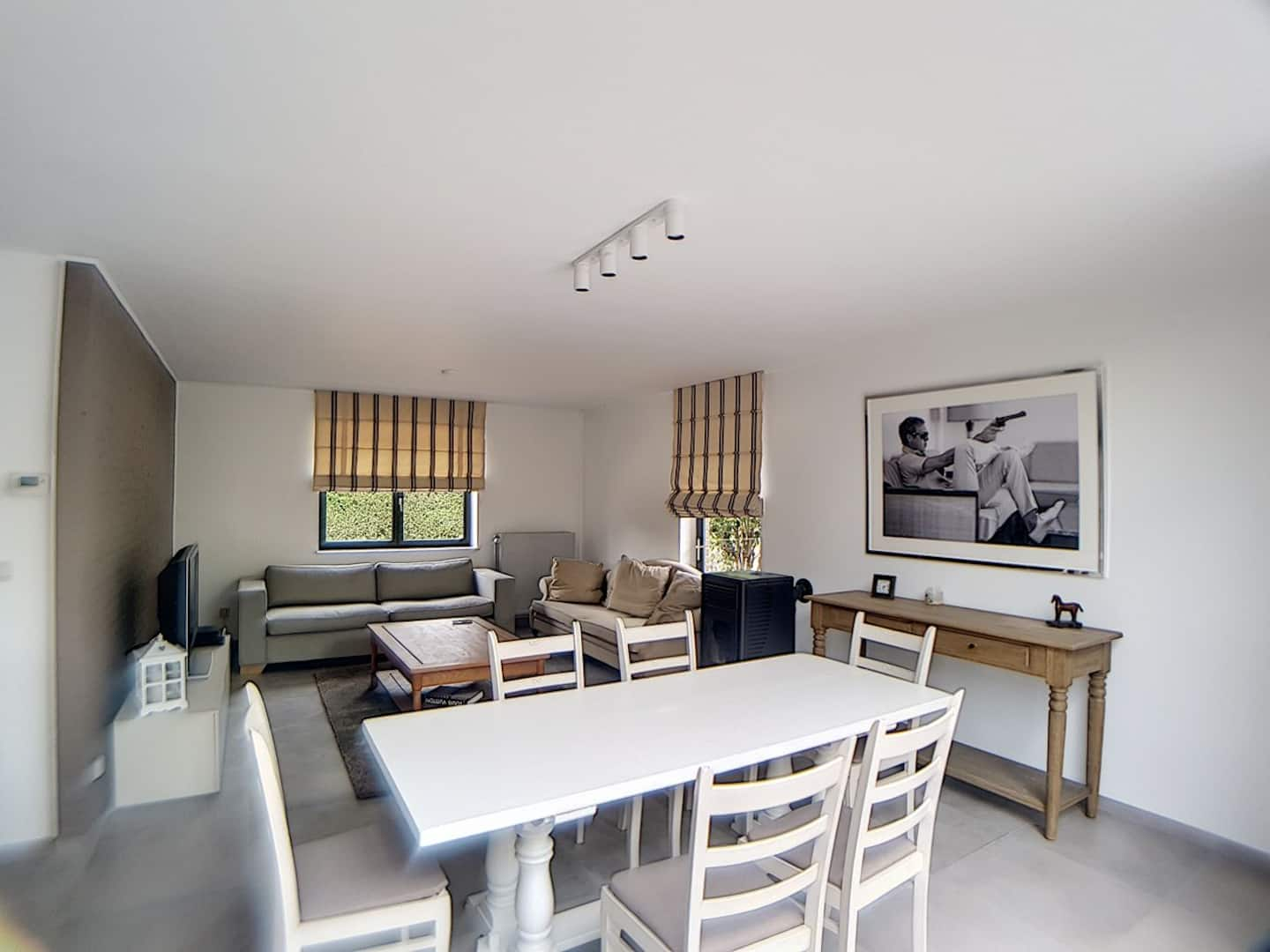
The first inclusion should be full furnishing. That means more than placing a bed in each room. For a staff rental to work well, employees need a complete setup that supports daily living: sleeping arrangements, seating, dining space, storage, and basic household functionality. If the property houses teams, the layout also matters. Group accommodation should be organized around practical occupancy, not improvised sleeping space.
The second core inclusion is an equipped kitchen. For medium-term stays, this is one of the biggest cost and comfort advantages compared with hotels. Workers need refrigerators, cooking appliances, cookware, dishes, and the basics required to prepare meals. When teams can cook on site, employers often reduce food costs while improving daily convenience.
Utilities are another standard inclusion that should not be treated as optional. Electricity, water, heating, and often waste-related charges should be part of the rental structure. This matters for budgeting. If every utility has to be opened, tracked, and settled separately, the accommodation is no longer a practical business solution.
High-speed Wi-Fi is also part of the expected baseline. Employees may need to check schedules, join calls, complete reporting, or stay in touch with supervisors and family. Weak or missing internet creates unnecessary problems fast.
What is included in staff rentals beyond the basics?
The better question for many companies is not whether a property has furniture and Wi-Fi. It is whether the rental is built around business use.
That often includes flexible contract terms. Project schedules change. Teams extend assignments. Start dates move. A provider serving companies should understand that a one-month stay can become three months, and a three-month stay can sometimes need to end early. Flexibility does not mean unlimited freedom, but it should mean contract terms that reflect operational reality.
Administrative simplicity is another major inclusion, even if it is not always listed as an amenity. Company invoicing, clear documentation, and one point of contact save time for HR, procurement, and operations teams. When housing is booked for multiple workers, the admin side matters almost as much as the property itself.
Responsive support is also part of the package. If the heating stops working, if a tenant has a practical issue, or if arrival details need to be adjusted, companies need fast answers. In staff rentals, service quality is tied directly to business continuity.
For that reason, providers such as Belga Promo position staff rentals as turnkey accommodation rather than simple property rental. The difference is operational readiness. The unit should be usable from day one without the employer having to assemble the basics.
Occupancy setup matters more than many companies expect
A frequent mistake is assuming that any furnished apartment can serve as staff housing. In practice, team accommodation has different requirements.
If several employees are staying together, sleeping capacity is only one part of the equation. The property should also support shared living without becoming inconvenient. That means enough bathrooms, a kitchen sized for regular use, common areas where people can eat or rest, and a layout that remains functional over a month or more.
For project teams, houses or apartments designed for 6 to 16 occupants often make more sense than booking separate small units. They simplify logistics, reduce transportation coordination, and usually lower the cost per person. That said, larger group housing is only efficient if it is properly equipped for that number of residents. A house that technically sleeps ten but has minimal kitchen capacity may not work well in daily use.
What may or may not be included
This is where companies should read carefully. Not every staff rental includes the same level of service.
Some providers include all utilities in the monthly rate, while others apply caps or charge based on actual consumption. Neither model is automatically wrong. It depends on the workforce, the stay length, and the employer's preference for fixed versus variable costs. What matters is clarity before booking.
Cleaning is another area that varies. Some rentals include periodic cleaning, while others only provide the property in clean condition at move-in. Linen and housekeeping may also differ depending on whether the accommodation is positioned closer to serviced housing or standard furnished rental.
Parking can be important for work teams using vans or company vehicles, but it is not always standard. The same applies to laundry facilities, outdoor space, or proximity to industrial zones and transport routes. These features are often critical in practice, even when they are not the first things companies ask about.
So when evaluating what is included in staff rentals, businesses should separate true essentials from useful extras. A rental does not need every premium feature, but it does need to support the day-to-day reality of the team staying there.
Why all-inclusive structure often works better
For medium-term staff housing, an all-inclusive setup usually gives employers better control. It simplifies forecasting, reduces internal admin, and avoids the fragmented costs that come with setting up temporary housing from scratch.
There is also a speed advantage. When accommodation is fully equipped and contract terms are business-ready, employees can move in quickly. That matters when project deadlines are fixed and housing is one task among many that the employer is managing.
Hotels can appear easier for short stays, but for teams staying a month or longer, they often become expensive and restrictive. Separate rooms, limited cooking options, less living space, and repeated booking management add cost without improving practicality. Staff rentals fill the gap between hotel stays and traditional leases.
How companies should evaluate included services
The most effective approach is to match the rental package to the assignment. A relocation for one manager has different needs than a construction deployment for twelve workers. Length of stay, team size, transport needs, and work schedule all affect what should be included.
Start with the non-negotiables: furnished rooms, equipped kitchen, bathrooms, utilities, heating, Wi-Fi, and immediate availability. Then review the operational items: flexible duration, company invoicing, support responsiveness, parking, and any cleaning or laundry arrangements. If a provider cannot define these clearly, that creates risk later.
It is also worth asking whether the accommodation is genuinely intended for professional teams. Some listings are technically available, but not organized for business occupancy. The difference usually shows up quickly in layout, service quality, and the provider's ability to answer practical questions.
The real value of staff rentals
The value is not just that employees have a place to sleep. It is that the employer gets a ready-to-use housing solution that supports work deployment without creating a second project to manage.
That is why the answer to what is included in staff rentals should always go beyond furniture and utilities. The best staff rentals include predictability, speed, comfort, and a setup that works for teams in the field. When those pieces are in place, housing becomes one less operational problem and one more part of a project running on schedule.
If you are arranging accommodation for employees, ask one practical question before anything else: can your team arrive this week and live there comfortably from day one? If the answer is yes, you are looking at the right kind of rental.