A project team can arrive on site on Monday morning, but unsuitable housing can create problems before the first shift ends. Long commutes, missing equipment, unclear utility charges, and cramped sleeping arrangements all affect attendance, morale, and productivity. These 7 criteria for housing employees on assignment help companies choose accommodation that works in real operating conditions, not just on paper.
For assignments lasting several weeks or months, a furnished house or apartment is often more practical than booking separate hotel rooms. The right property gives employees a comfortable base while giving the employer better control over cost, administration, and availability.
1. Location that supports the assignment
The first question is not simply whether the accommodation is in a popular area. It is whether the location supports the team’s daily work. Housing should be reasonably close to the project site, industrial zone, client facility, or transport route used by the employees.
A lower nightly rate can quickly lose its value when workers spend excessive time commuting, need multiple vehicles, or face unreliable routes to the worksite. For teams working early shifts, night shifts, or rotating schedules, proximity also matters for safety and rest.
Assess the route in practical terms: travel time during working hours, parking access, public transportation where relevant, and access to grocery stores or basic services. In Belgium, a centrally located property may look convenient on a map while still creating delays because of traffic patterns or roadworks. The useful measure is the actual journey from the property to the site.
2. Capacity and sleeping arrangements for the team
Group accommodation needs more than enough beds. It needs a layout that employees can live with over time. A property suitable for six, ten, or sixteen people should offer a clear allocation of bedrooms, bathrooms, shared areas, and parking.
Ask how many people will occupy each bedroom and whether the room configuration fits the team’s expectations. Some assignments involve technicians or contractors who work long physical shifts and need adequate rest. Shared bedrooms may reduce the rental cost, but they can be less suitable for a long assignment, mixed schedules, or senior personnel who need privacy.
Bathroom capacity deserves the same attention. A house with enough beds but too few bathrooms can create avoidable pressure before morning shifts. Common spaces also matter. Employees need room to eat, prepare meals, store personal items, and spend time outside their bedrooms.
The most cost-effective setup is not always the one with the highest occupancy. It is the property that balances per-person cost with a living arrangement the team can maintain for the full duration of the mission.
3. Ready-to-live-in equipment from day one
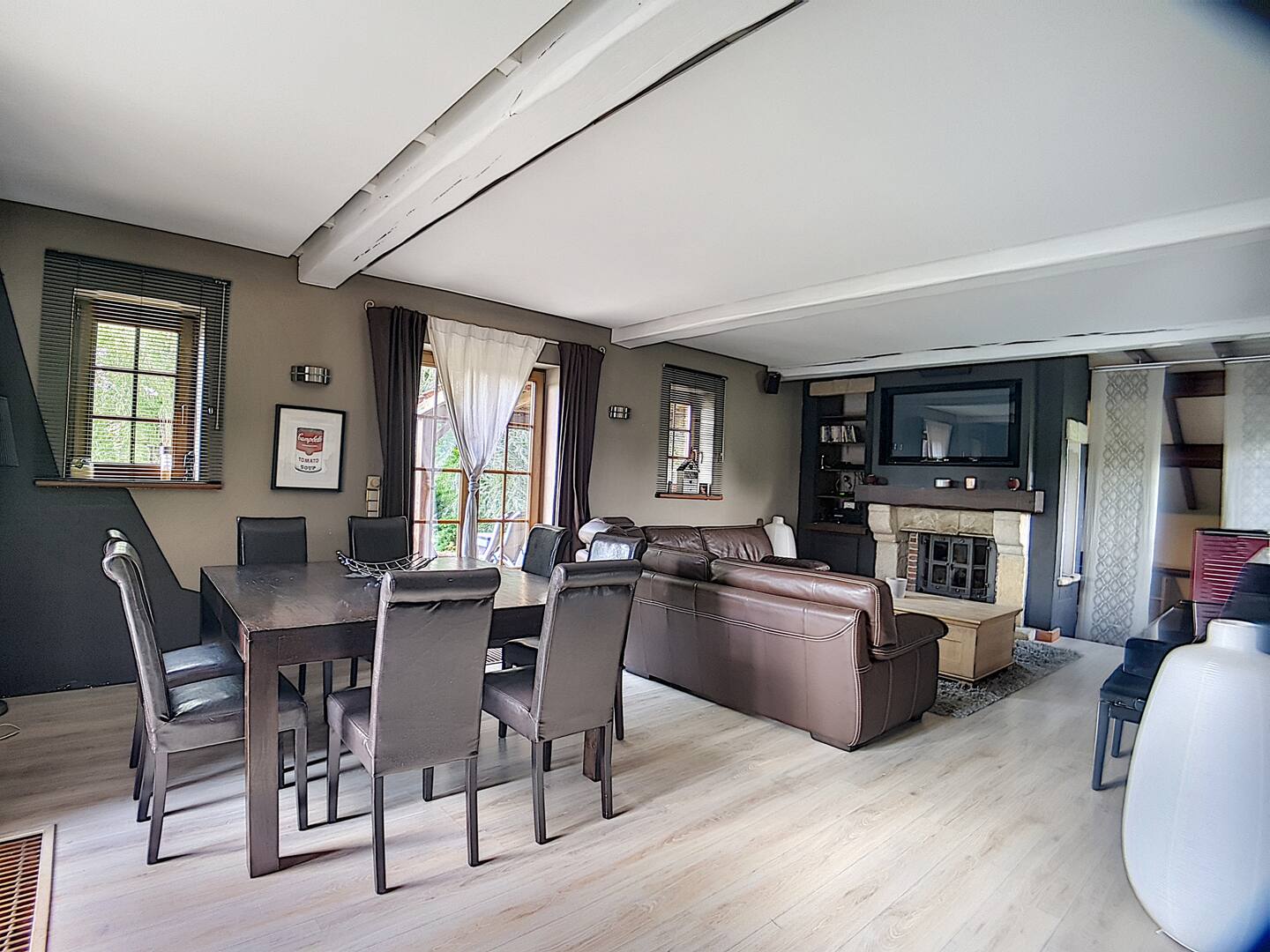
For company housing, availability is only useful when employees can move in immediately. Furnished accommodation should include the practical basics needed for daily life, not just furniture placed in empty rooms.
A functional kitchen is central for medium-term stays. Employees need appliances, cookware, dishes, utensils, refrigeration, and sufficient storage to prepare meals. This reduces dependence on restaurants and gives teams more control over their routine and expenses.
Also confirm the presence of beds, mattresses, seating, dining furniture, laundry facilities, and adequate heating. High-speed Wi-Fi is no longer an optional extra. It supports communication with managers, online administration, video calls, training, and personal contact with family during longer assignments.
Before confirming a property, request a precise list of included equipment. This avoids the operational gap between a furnished listing and a genuinely ready-to-live-in solution. If a team must buy cookware, arrange internet service, or wait for appliances after arrival, the housing provider has shifted work back to the employer.
4. A clear all-inclusive cost structure
Accommodation budgets often go off track because the initial rent does not reflect the final monthly cost. Utilities, internet, cleaning, parking, taxes, deposits, and service charges should be understood before the team moves in.
For operations and procurement teams, an all-inclusive monthly rate creates a more predictable basis for project costing. It also reduces the time spent reviewing multiple bills and resolving questions about consumption or reimbursements. This is especially useful when several employees share one property.
That does not mean every all-inclusive offer is automatically the best option. Check what is included and whether utility use is subject to a reasonable-use policy or a defined cap. For a team working from home occasionally or using multiple electric vehicles, consumption arrangements may require more attention.
The key is transparency. A corporate housing proposal should state the rent, included utilities, Wi-Fi, furnishings, parking conditions, deposit requirements, and any additional fees in a format that can be approved internally without assumptions.
5. Contract flexibility matched to project reality
Project schedules change. A site opening can be delayed, a technical intervention can be extended, or a team can be reduced before the planned end date. Housing contracts should reflect that reality as far as possible.
Start by confirming the minimum rental period, notice requirements, extension process, and conditions for changing the number of occupants. A one-month minimum can be well suited to temporary staffing and project deployments, while longer terms may offer better stability for extended work in Belgium.
Flexibility should be practical rather than vague. It is useful to know whether the property can be extended if the assignment runs longer, whether another nearby unit is available when the team grows, and how quickly a replacement solution can be arranged if conditions change.
A fixed long-term lease can work for a stable relocation. For construction, industrial maintenance, shutdown work, or a phased deployment, it may create unnecessary risk. Choose terms that protect the company without sacrificing the reliable occupancy needed by the provider.
6. Administration designed for business clients
Employee housing becomes difficult to manage when the company has to deal with individual payments, separate receipts, informal handovers, and unclear points of contact. A professional accommodation arrangement should simplify the administrative side of the assignment.
Company invoicing is particularly valuable. It allows finance teams to allocate costs to a project, department, or client contract without collecting expense claims from each worker. A single invoice for the property and agreed services is easier to verify than multiple hotel bills or personal reimbursements.
Confirm who will handle booking approval, contract communication, check-in, maintenance requests, and checkout. For international teams, multilingual support can prevent misunderstandings around arrival details, house rules, and documentation.
The best provider acts as an operational contact, not merely a key handover point. When a washing machine fails, an employee arrives late, or a project manager needs to extend a stay, the company needs a responsive process and a named contact who can act quickly.
7. Comfort, safety, and long-stay suitability
Housing is a business decision, but it directly affects people. Employees sent away for work need a safe, clean, and comfortable place to recover between shifts. Poor living conditions can lead to dissatisfaction, turnover, and distractions that a project team cannot afford.
Check the property’s overall condition, heating, ventilation, cleanliness standards, locks, lighting, and neighborhood suitability. For long stays, storage space and laundry facilities have more value than they might in a two-night hotel booking. Reliable internet and a usable living area also make a significant difference when staff are away from home for weeks.
Comfort does not require luxury. It requires accommodation that respects the practical needs of working people. A clean, well-equipped property with enough space often delivers more value than a hotel room, particularly for groups who need to cook, park vehicles, and follow different schedules.
Belga Promo focuses on furnished, equipped houses and apartments for professional teams in Belgium, with accommodation structured for group occupancy and medium-term assignments. For employers, this type of turnkey arrangement can reduce the number of decisions that need to be made after the project has already started.
Choosing housing with fewer surprises
The right accommodation should make the assignment easier to run, not become another issue for the site manager to solve. Start with the project location, team size, and expected duration, then verify what is included, how the contract can adapt, and who will support the stay.
When those details are confirmed before arrival, employees can focus on their work and the company can keep its attention where it belongs: delivering the project on time.