
A project team arriving on Monday cannot wait for furniture deliveries, utility appointments, or Wi-Fi installation. They need a clean, usable home where they can cook, rest, and prepare for work from the first evening. This guide to furnished staff housing explains how companies can arrange that housing with fewer costs, delays, and administrative issues.
For employers placing technicians, contractors, new hires, or rotating crews in Belgium, accommodation is an operational requirement, not a travel perk. The right property supports attendance, morale, and budget control. The wrong one creates daily friction for workers and extra work for the person responsible for the booking.
What furnished staff housing should provide
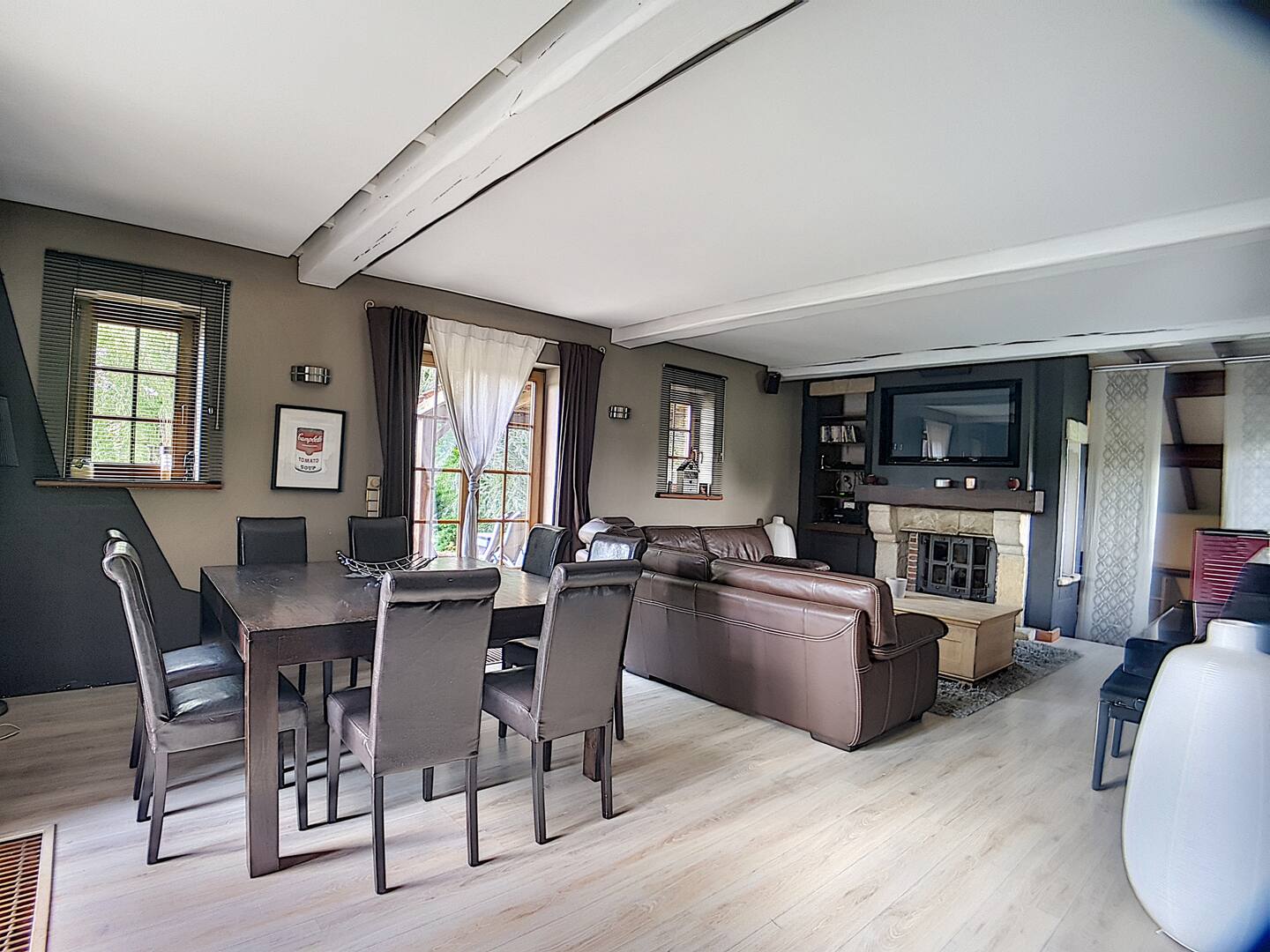
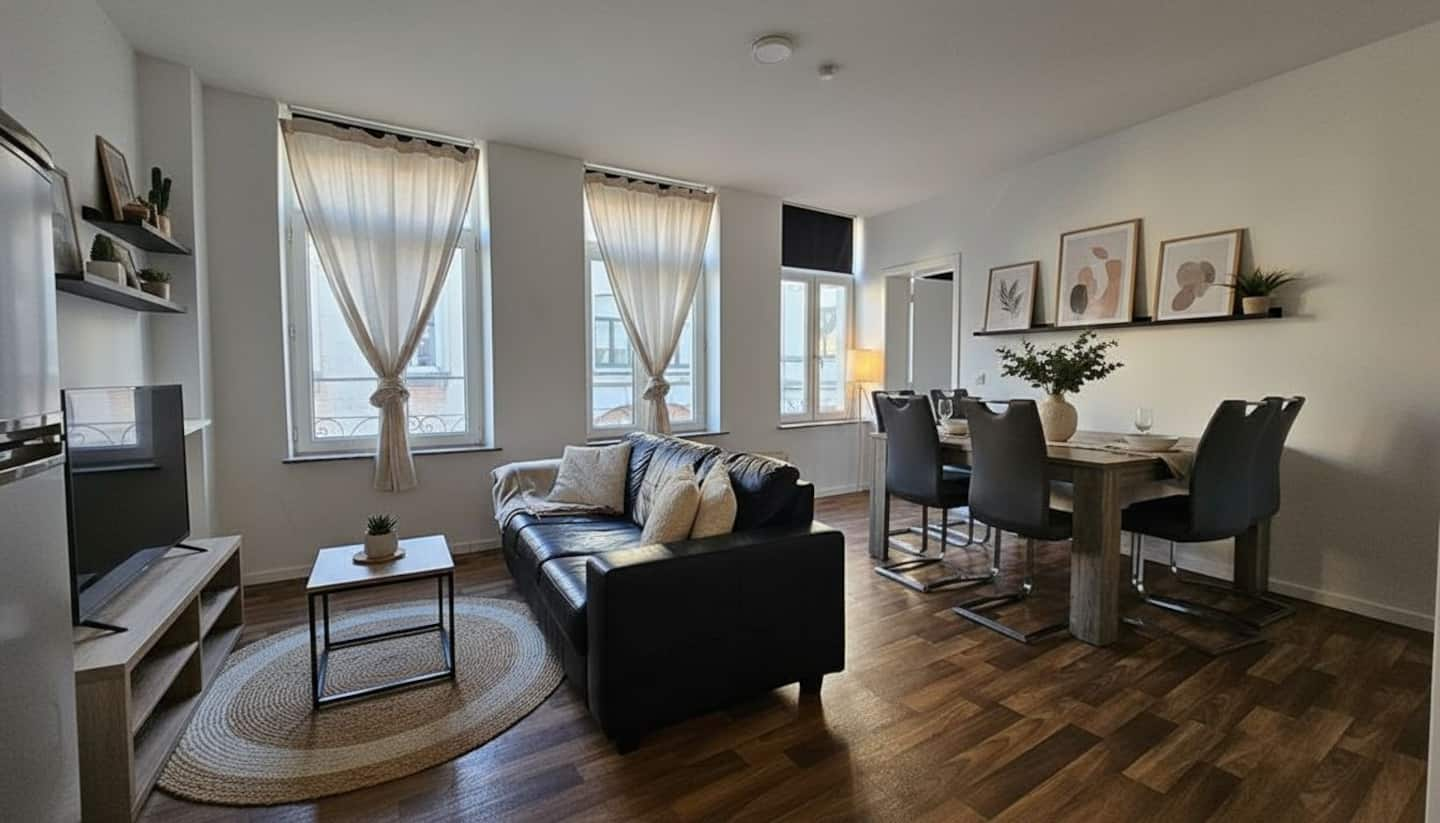
Furnished staff housing is accommodation prepared for professional occupants staying for several weeks or months. Unlike a standard unfurnished rental, it is ready for people to live in immediately. Unlike a hotel, it gives a team shared living space, kitchen facilities, and a more stable base near the project site.
A suitable property normally includes beds, seating, dining space, an equipped kitchen, household essentials, utilities, and high-speed Wi-Fi. For corporate use, those basics need to be reliable rather than decorative. A comfortable bed, enough refrigeration space, functioning laundry facilities, and a strong internet connection often matter more to a work team than luxury finishes.
The best setup depends on the assignment. A small management group may prefer an apartment close to a city center. A larger construction, maintenance, or industrial crew may need a house with several bedrooms, parking, and practical access to major roads. Properties designed for groups of six to 16 occupants can reduce the need to manage multiple separate reservations.
Assess occupancy before comparing properties
Start with the actual working pattern, not only the headcount. A team of eight can require very different housing from another team of eight if workers rotate shifts, need separate sleeping arrangements, or bring vehicles and equipment.
Ask how many people will stay at the property at one time, how many bedrooms and beds are required, and whether privacy requirements apply. Shared rooms can lower the cost per person, but they may not be appropriate for senior staff, long-term assignments, or teams working opposing shifts. When workers need reliable rest, overcrowding is usually a false economy.
Also consider the length of stay. A two-week assignment can tolerate a more compact layout than a six-month project. For medium-term housing, shared kitchens and living areas become more valuable because workers are building a routine rather than simply sleeping between workdays.
Before requesting a quote, prepare a short requirement brief with the project location, expected arrival date, number of occupants, estimated duration, room preferences, vehicle needs, and any non-negotiable site access requirements. Clear information helps a housing provider confirm availability quickly and recommend a property that fits the deployment.
Compare total housing cost, not the nightly rate
Hotels can appear simple at the start of a project, particularly when an arrival date is close. However, booking individual rooms for a team over several months can become expensive and difficult to administer. Staff may also need to pay separately for meals, laundry, parking, and other daily needs.
A furnished house or apartment should be assessed on its total monthly cost. Check whether the quoted price includes furniture, utilities, Wi-Fi, kitchen equipment, cleaning arrangements, parking, and company invoicing. A lower base rent may lose its advantage if the employer must set up accounts, buy household items, or reimburse regular extra charges.
The useful calculation is cost per person per month, alongside the administrative cost of managing the arrangement. A shared property with a functioning kitchen can reduce food expenses, while one invoice instead of many hotel bookings saves time for finance and operations teams. That does not mean a house is always the cheapest choice. For a very short stay, or for workers who must be in different cities, hotels may remain more practical.
Check the home for daily team use
Photos can show whether a property looks presentable. They do not always show whether it works for a crew returning from a long shift. Ask practical questions before committing.
Confirm that the kitchen has enough cooking equipment, storage, and dining capacity for the number of residents. Check the number of bathrooms and toilets, especially for shift-based teams. Verify the quality of Wi-Fi if workers need to complete reports, take calls, or stay in contact with family after work.
Laundry deserves particular attention on longer placements. On-site washing and drying facilities can make a significant difference for workers in industrial, construction, and field roles. Heating, hot water, secure entry, and adequate waste collection are equally basic but essential. If the team drives, establish where vehicles can park and whether access is convenient for early departures.
A ready-to-live-in property should remove the need for a first-day shopping trip for furniture, cookware, internet equipment, or basic utility setup. This is where a specialist corporate housing provider such as Belga Promo can be more useful than a standard private rental: the accommodation is arranged around immediate group occupancy and professional booking requirements.
Choose location based on the workday
The best location is rarely just the closest address on a map. Consider actual travel times at shift-change hours, public transportation options where relevant, parking, and access to highways or the project site. A lower rental price farther away may lead to longer commutes, higher fuel costs, and tired workers.
For projects in Belgium, location planning should also account for team mobility. Some assignments move between sites, while others require staff to be close to a fixed facility for several months. In the first case, road access may be the priority. In the second, proximity to shops, services, and the workplace can make a longer stay more comfortable.
Set contract terms that match the project
Project schedules change. Delayed permits, extended shutdowns, new phases of work, and staffing changes can all affect accommodation needs. For this reason, contract flexibility matters alongside price.
Review the minimum rental period, notice requirements, extension process, payment schedule, deposit terms, and the procedure for changing occupant numbers. Confirm who the main company contact will be and how maintenance requests are handled. A clear process is particularly valuable when the booking manager is based outside Belgium and cannot visit the property personally.
Company invoicing should be straightforward and detailed enough for internal cost allocation. Procurement and finance teams may need the invoice to identify the property, rental period, included services, and applicable taxes or charges. Discuss this before occupancy rather than trying to correct paperwork after the first invoice arrives.
It is also sensible to agree on responsibility for damage, cleaning at departure, keys, and house rules. These points protect both the employer and the provider. Clear expectations are not unnecessary formality when several people share a home for an extended period.
Make the move-in process simple
Once a property is selected, appoint one company contact and provide the final list of occupants, arrival times, phone numbers, and any special access needs. Workers should receive a simple arrival note covering the address, parking instructions, key collection, Wi-Fi details, and an emergency contact.
On arrival, encourage the team lead to report any existing issues promptly. A quick condition check avoids confusion later and gives the provider an opportunity to resolve problems early. During the stay, keep communication centralized so that maintenance requests, extensions, and occupant changes do not get lost across multiple messages.
Good furnished staff housing gives people a practical place to recover between shifts while giving the company one manageable accommodation arrangement. When the property, location, and terms are chosen around the real demands of the assignment, housing stops being a recurring problem and becomes one less operational task for the project team to carry.