A project can be ready to start on Monday and still lose a week because housing was treated like an afterthought. That is usually when companies start asking how to house project staff without creating extra cost, admin, and disruption for the team on site.
The answer is not simply finding available beds. It is choosing accommodation that fits the way project teams actually work. Staff need to arrive, move in quickly, cook, rest, connect to Wi-Fi, and get to the site without wasting time. The company needs predictable costs, one invoice, clear terms, and enough flexibility to adjust if the project expands or runs longer than planned.
How to house project staff the right way
The most effective approach starts with the project itself. Before comparing properties, define the operational basics: how many people need housing, how long they will stay, how close they need to be to the work location, and whether they are better housed together or split across multiple units.
That sounds simple, but this is where many housing decisions go wrong. A team of eight technicians staying for three months has very different needs from two managers on a two-week visit. Hotels may work for short stays or executive travel, but they become expensive and impractical for larger teams. Separate short-term rentals can solve one problem while creating another if billing, check-in, and support are fragmented.
For project staff, the strongest option is usually medium-term furnished housing designed for business use. It gives teams immediate occupancy and gives employers more control over budget and logistics.
Start with headcount, duration, and location
Headcount should guide the housing model from day one. If six to sixteen workers need to stay near the same site, group accommodation often makes more sense than booking multiple hotel rooms. It is easier to manage, easier to invoice, and usually more cost-efficient over several weeks or months.
Duration matters just as much. A one-month stay calls for a different setup than a nine-month industrial project. If the housing is too temporary, teams live out of bags and rely on restaurants or laundromats. If the contract is too rigid, the company can end up paying for empty rooms after staffing changes.
Location should be practical, not aspirational. The goal is to reduce commute time and keep staff close to the site, major roads, or logistics corridors. A cheaper property farther away can raise transport costs, increase fatigue, and make shift planning harder. When teams start early, finish late, or rotate schedules, proximity becomes a real operational advantage.
What project staff actually need in their accommodation
This is where decision-makers can save themselves trouble. Housing for project staff is not the same as housing for tourists. The standard should be ready-to-live-in, not just furnished on paper.
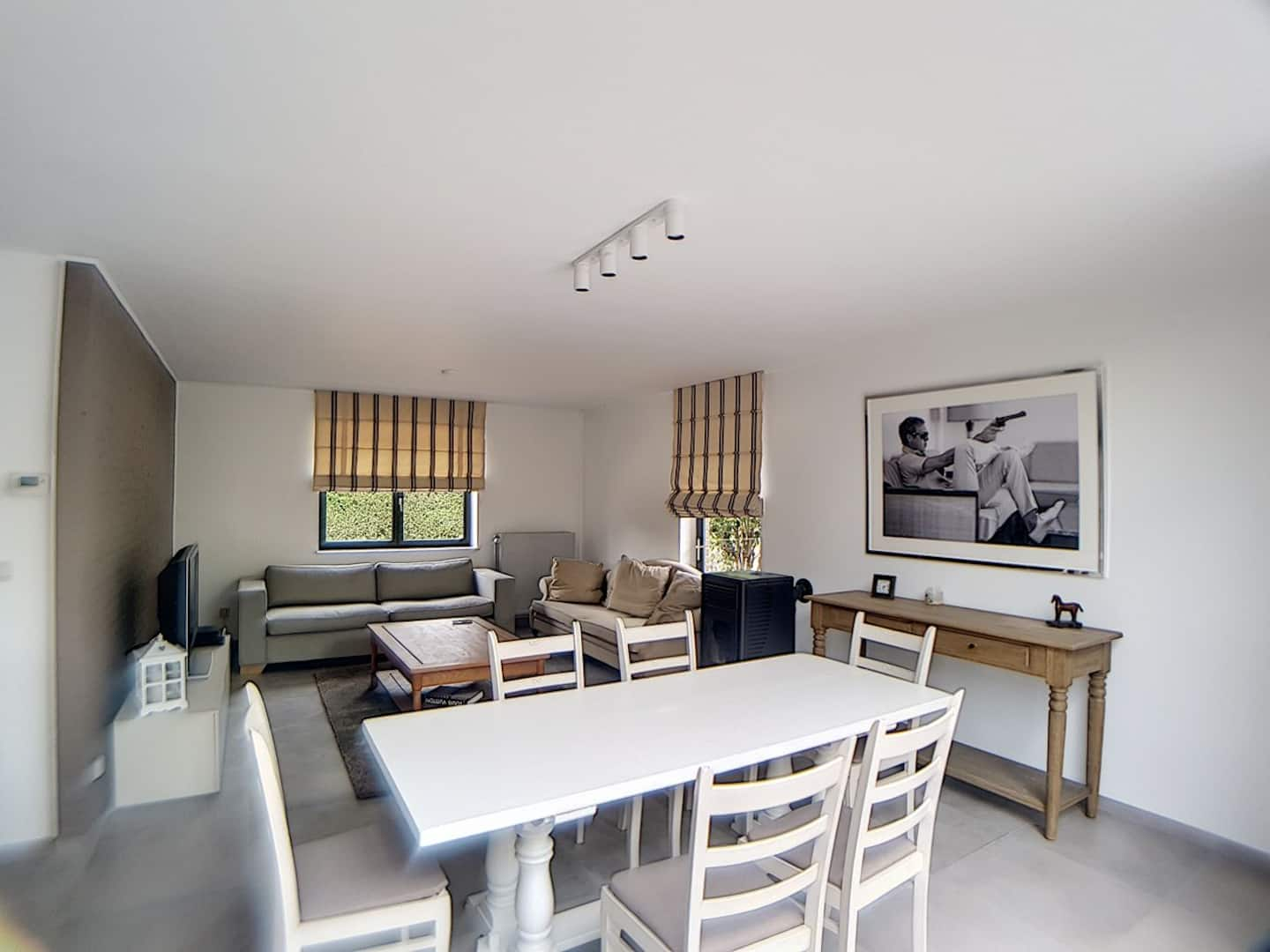
That means real sleeping capacity, equipped kitchens, working appliances, reliable high-speed Wi-Fi, utility setup, and enough shared space to support daily life. If the team is staying for more than a few weeks, these basics directly affect morale and performance. Staff who can cook, rest properly, and stay connected settle faster and complain less.
There is also a practical management side. If every apartment has different rules, different utility accounts, and different check-in procedures, internal coordination becomes messy. HR, procurement, and operations teams need one clear arrangement, not a patchwork of bookings.
A turnkey setup is usually the most efficient option because it removes the startup work. No furniture sourcing, no internet installation, no utility activation, and no delays before the team can move in. For companies deploying workers quickly, that matters.
Cost control is about the full picture
When companies compare accommodation, they often focus first on nightly price. That is understandable, but it can be misleading. To evaluate how to house project staff properly, look at total occupancy cost over the full assignment.
Hotels can appear simple at the start, yet the cost multiplies fast when several workers stay for a month or longer. Add meals, laundry, parking, and separate room charges, and the budget can drift quickly. Short-term rentals may look cheaper than hotels, but hidden setup costs or inconsistent invoicing can offset the savings.
Medium-term furnished group housing usually works better when the stay extends beyond a few weeks. Utilities are included, kitchens reduce meal costs, and one contract simplifies accounting. Predictable monthly pricing also helps procurement teams and project managers track spend against budget.
The cheapest option is not always the most economical. If poor housing causes commute delays, staff dissatisfaction, or repeated rebooking, the operational cost rises even if the headline rate looked low.
Administration can either stay simple or become a project of its own
Housing decisions are often judged on price, but administration is where many companies feel the strain. If ten employees are spread across several bookings with separate invoices and support contacts, someone in HR or operations ends up managing the fallout.
A better structure is one provider, one contract, one billing process, and one point of contact. That does not just save time. It reduces mistakes, improves visibility, and makes it easier to handle extensions, arrivals, departures, or occupancy changes.
For international employers sending teams into Belgium, this becomes even more valuable. Local housing can move fast, and language or process gaps can slow down decision-making. Responsive support and company invoicing are not extras. They are part of a workable business solution.
Flexibility matters because projects change
Few projects go exactly to schedule. Deadlines move, team sizes change, and some stays run longer than expected. That is why flexibility should be part of the housing decision from the beginning.
This does not mean choosing vague terms. It means choosing clear terms that can accommodate real project conditions. Can the stay be extended? Can occupancy be adjusted? Can additional housing be arranged quickly if a second team arrives?
There is always a trade-off. More flexibility can sometimes mean a different rate structure or more limited availability in high-demand areas. Still, for most companies, some contractual flexibility is worth paying for if it prevents a disruptive move or a last-minute scramble.
How to house project staff in Belgium without friction
Belgium presents a specific set of practical considerations. Teams often need access to industrial zones, port areas, transport routes, or cross-border connections. Housing is not just about the city name. It is about whether the location supports the actual work pattern.
Companies should look for accommodation that is already structured for professional occupancy rather than adapting leisure-focused rentals to a work deployment. Group capacity, fast availability, furnished interiors, equipped kitchens, Wi-Fi, utilities, and medium-term contract options are all part of that fit.
This is where a specialized corporate housing model makes sense. A provider such as Belga Promo is built around the needs of employers housing teams in Belgium, not individual vacation guests. That difference shows up in the setup: ready-to-live-in properties, business-oriented terms, company invoicing, and accommodation sized for work crews rather than solo travelers.
A practical selection process
If you need to move quickly, keep the selection process focused. Confirm the project location, headcount, target move-in date, and expected duration first. Then verify whether the housing is fully equipped, what is included in the monthly price, how billing works, and what flexibility exists if the project changes.
It also helps to ask one simple question: can the team move in and function on day one? If the answer is yes, you are looking at a housing solution. If the answer is maybe, pending setup, extra services, or multiple approvals, you are looking at risk.
The right accommodation should remove pressure from your team, not add another layer of coordination. When housing is set up properly, staff arrive faster, settle faster, and stay focused on the job rather than on where they are sleeping, cooking, or connecting to the internet.
Project housing works best when it is treated as an operational decision, not just a booking task. Get the basics right early, and the rest of the assignment usually runs smoother.