A monthly lodging budget for companies usually starts breaking down at the same point: the nightly rate looked acceptable, but the total stay did not. That gap matters when you are housing technicians, project teams, or relocated staff for several weeks or months. What seems manageable in a hotel model can become expensive, difficult to administer, and uncomfortable for the people actually doing the work.
For employers managing accommodation in Belgium, the real budgeting question is not just how much a room costs. It is how to estimate the full monthly housing cost per worker, per team, and per project without creating extra operational work. A useful budget needs to reflect occupancy, contract length, utilities, Wi-Fi, transport access, and the administrative time tied to bookings and invoicing.
What a monthly lodging budget for companies should include
Many companies start with a simple accommodation line in their project budget and then adjust later. That approach works for short trips, but not for workforce housing. If a team is staying for one month or longer, your monthly lodging budget for companies should be based on the total cost of use, not just the base rent.
The first factor is occupancy. Housing six to sixteen workers in one furnished property creates a very different cost structure than booking multiple hotel rooms. Shared corporate housing often lowers the per-person monthly cost while giving teams more practical living space. That matters on long assignments, where employees need kitchens, laundry access, stable internet, and room to live outside working hours.
The second factor is what is included. A low advertised price can lose its value quickly if you still need to add furniture, kitchen equipment, Wi-Fi, utilities, bedding, cleaning arrangements, or separate billing administration. For business users, a bundled monthly rate is usually easier to forecast and easier to approve internally.
The third factor is contract flexibility. Some projects end on schedule. Others do not. If your housing contract is too rigid, your budget may look good on paper and fail in practice. A useful accommodation plan should leave room for extensions, phased arrivals, or reduced occupancy if the team changes.
Why hotels distort long-stay cost planning
Hotels are simple to book, but simplicity at the start often creates budget pressure later. Nightly pricing rarely translates well into a multi-week or multi-month assignment. Add breakfast, parking, laundry, taxes, separate rooms, and the lack of cooking facilities, and the cost per employee rises fast.
There is also a productivity issue. Workers staying in hotels for long periods often have limited space, little privacy from neighboring guests, and no real shared area for their team. That can affect rest, routine, and morale, especially on demanding industrial or technical projects.
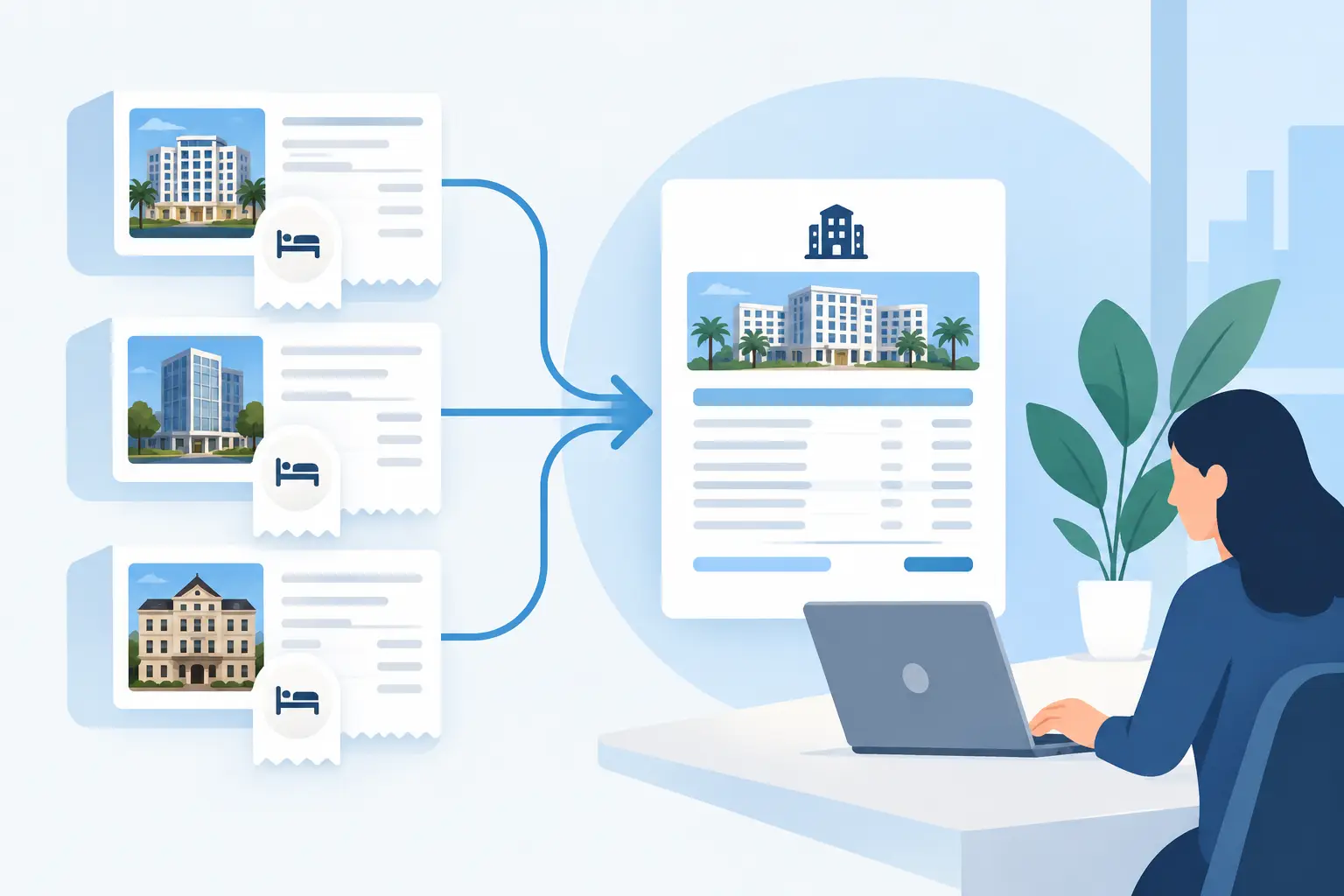
From a finance and procurement perspective, hotels also create fragmented administration. Multiple bookings, changing room availability, and separate invoices can become a recurring burden. A single furnished corporate rental with one monthly invoice is easier to process and easier to reconcile against a project budget.
How to build a realistic lodging budget
The most reliable way to estimate accommodation cost is to work backward from your operational reality. Start with the team size, location, and expected duration. Then look at the type of housing that fits the group rather than defaulting to individual rooms.
If your workforce is staying near an industrial zone, logistics hub, or project site, location should be evaluated in terms of commute efficiency, not city-center preference. A slightly higher monthly rent can still be the better financial decision if it reduces transport time, fuel use, or scheduling complications.
Next, calculate cost per person rather than cost per unit alone. A furnished house or apartment for eight people may appear expensive at first glance, but the per-worker monthly figure is often much lower than eight separate hotel stays. This is where group occupancy changes the budget conversation.
Then review the included services carefully. For companies, the strongest housing option is usually one that is ready to occupy immediately and billed in a straightforward way. Furniture, equipped kitchens, utilities, Wi-Fi, and company invoicing should not be afterthoughts. They should be part of the baseline cost model.
The hidden costs that affect monthly totals
Accommodation budgets often miss smaller cost items that become significant over time. Food is a good example. When workers have access to a full kitchen, companies and employees usually spend less on restaurant meals or convenience food. Over one month or more, that difference is meaningful.
Laundry is another overlooked expense. Hotels may charge per item or rely on external services. In a furnished group property with laundry equipment, that cost is reduced and easier to manage.
There is also the cost of downtime. If housing is not ready on arrival, if keys and check-in are difficult to coordinate, or if the property is not properly equipped for a team, the project pays for that disruption somewhere else. It may appear as lost hours, transport delays, urgent rebooking, or dissatisfied staff.
Administrative friction should be treated as a cost too. Procurement teams and office managers do not need more fragmented paperwork. One contract and one company invoice can save more time than many businesses initially expect.
Choosing the right housing model for workforce stays
Not every assignment needs the same setup. A manager on a short relocation may need a different property than a team of installers working on-site for three months. The right monthly lodging budget for companies depends on matching housing type to workforce use.
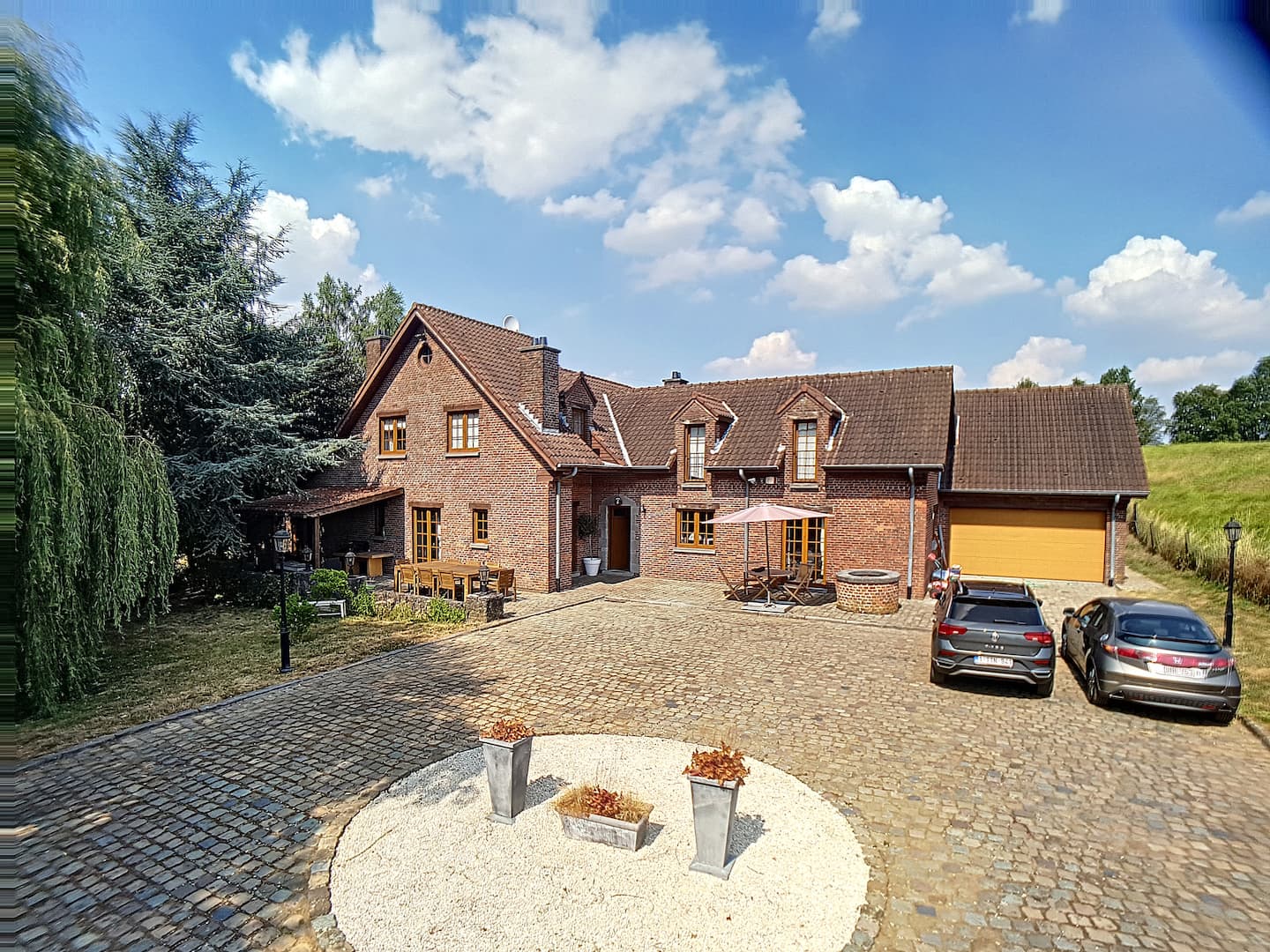
For group deployments, shared furnished houses and larger apartments are often the most practical option. They are built around actual living needs: sleeping capacity, equipped kitchens, common areas, utilities, and immediate usability. That makes them better suited to workers than traditional short-stay lodging.
For smaller teams, a compact furnished apartment may be enough. The key is still the same: monthly predictability. If the property is fully equipped and the invoicing is clear, it is easier to compare suppliers and control project spend.
This is also where providers with a business-focused model stand apart. Belga Promo, for example, is structured around medium-term corporate housing for teams, not leisure travel. That difference matters because companies are not just buying beds. They are buying operational readiness.
What procurement and operations teams should ask before approving a property
A good accommodation quote should answer practical questions without requiring follow-up on basic details. Is the property fully furnished? Are utilities and Wi-Fi included? What is the sleeping capacity? How long is the minimum stay? Can the contract be extended? Is company invoicing available?
The quality of those answers tells you a lot about how easy the stay will be to manage. If basic items are vague, your monthly cost may be vague too. A dependable supplier should be able to explain the occupancy model, included services, and contract terms in plain terms.
It is also worth asking how fast the property can be made available. Speed matters when a project starts suddenly or when staff need to be relocated with little notice. Housing that is ready for immediate occupancy protects both scheduling and budget control.
Budgeting for comfort is still budgeting for performance
Some companies treat worker accommodation as a line to minimize at any cost. That usually works until retention, morale, or productivity becomes an issue. If employees are staying for weeks or months, comfort is not a luxury expense. It is part of keeping the assignment stable.
That does not mean choosing premium housing for appearance. It means choosing practical, clean, furnished accommodation where teams can cook, rest, connect to the internet reliably, and live with a reasonable level of normal routine. Those conditions support better work outcomes and fewer complaints.
The trade-off is simple. A cheaper option with poor fit may save money on the quote and lose money during the stay. A slightly higher monthly rate with everything included may deliver better control overall.
A better way to think about lodging spend
The strongest accommodation budgets are built around predictability, not guesswork. When the stay is one month or longer, furnished group housing often gives companies a clearer financial model than hotels, especially when utilities, Wi-Fi, equipment, and invoicing are already included.
If you are planning housing for employees in Belgium, the goal is not to find the lowest visible price. It is to secure accommodation that fits the team, supports the work, and stays manageable from both an operational and accounting standpoint. That is usually where better budgeting starts.