A project team arriving in Belgium should be able to start work, not spend its first week buying cookware, arranging internet, collecting keys, and submitting hotel receipts. That is the practical answer to why choose furnished company lodging: it gives employers a ready-to-live-in base for employees from the first day of their assignment.
For companies housing technicians, contractors, construction crews, and relocating employees, accommodation is an operational requirement. It affects attendance, morale, project costs, and the amount of administrative work placed on site managers and HR teams. Furnished company lodging is designed to reduce those pressures, particularly when a group needs housing for one month, several months, or longer.
Why choose furnished company lodging for project teams?
Hotels work well for short individual trips. They are less practical when six, ten, or sixteen workers need to live near a site for an extended period. Multiple hotel rooms can create a fragmented arrangement: employees have limited space, meals become more expensive, invoices multiply, and the cost per person can rise quickly over time.
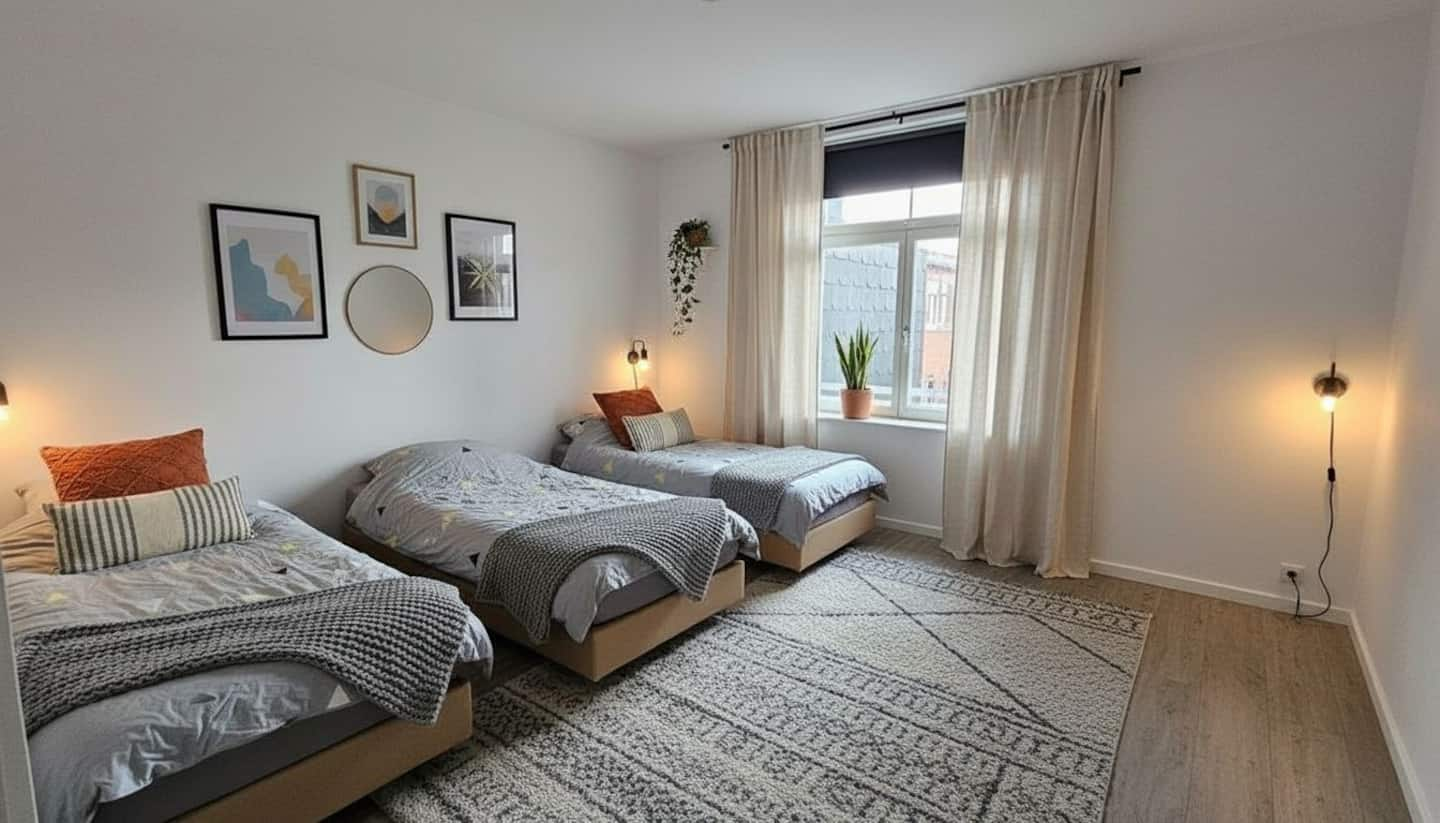
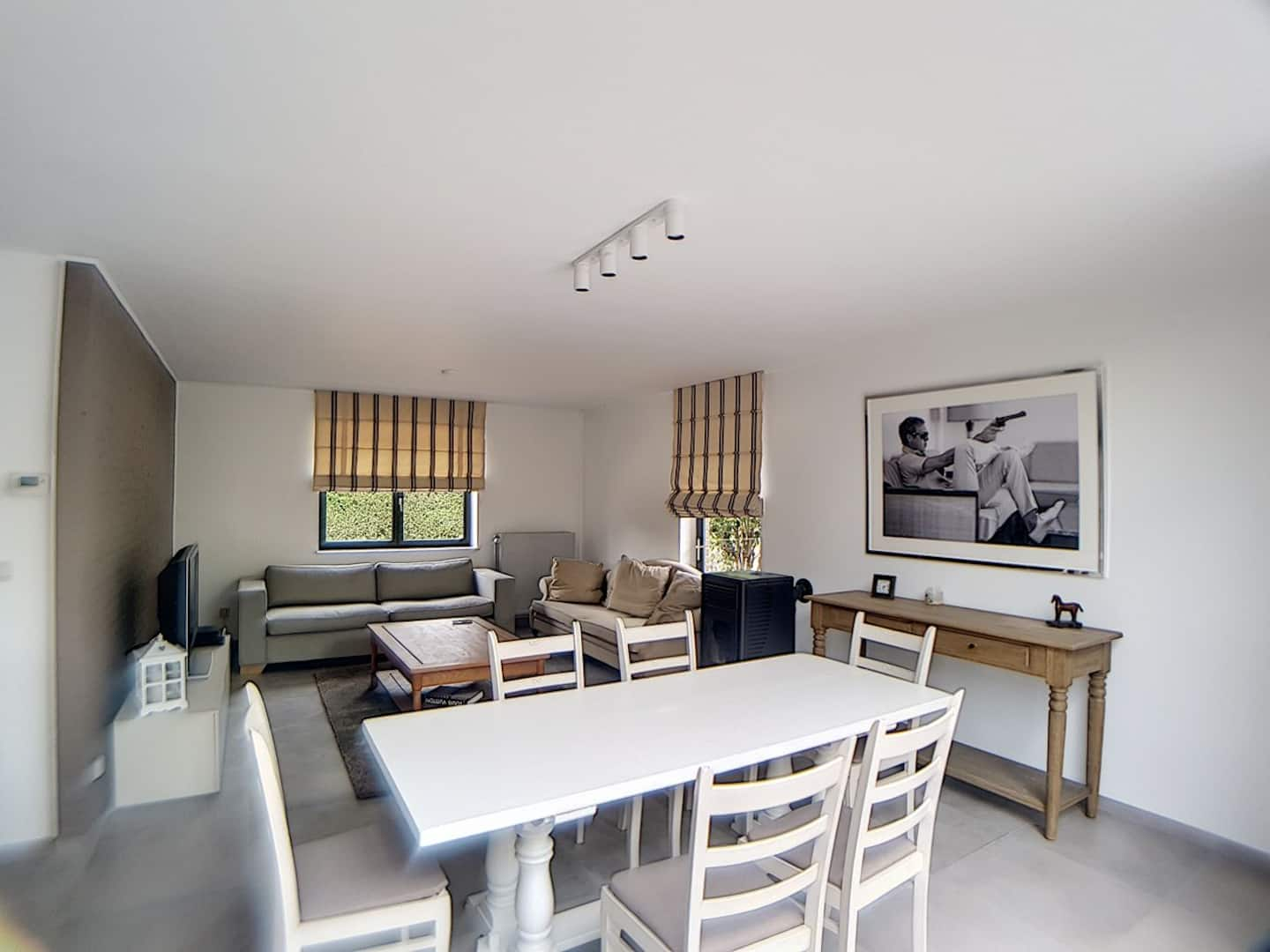
A furnished house or apartment provides a different setup. Teams have bedrooms, shared living areas, equipped kitchens, laundry facilities where available, and reliable Wi-Fi in one accommodation arrangement. Workers can prepare meals, rest in a more residential setting, and maintain routines outside working hours. For employers, the result is a housing solution that better fits the reality of medium-term deployment.
The main benefit is not simply furniture. It is immediate usability. Beds, seating, kitchen equipment, utilities, and internet are already arranged, so there is no need to coordinate separate suppliers before employees arrive.
Predictable costs make budgeting easier
Accommodation budgets can become difficult to control when a project lasts longer than expected. Nightly hotel rates, restaurant meals, parking, laundry, and separate utility accounts can create costs that are hard to forecast. The issue is not only the total amount. It is the lack of a clear, consolidated view of what the company is paying for.
Furnished corporate lodging is generally structured around a single, agreed rental arrangement. Furniture, equipped kitchens, high-speed Wi-Fi, and utilities are included in the housing offer, helping companies budget with greater confidence. A company invoice also reduces the need to reconcile individual employee expenses and receipts.
Cost savings depend on the location, occupancy level, length of stay, and property type. A small team staying for only a few nights may still be better served by a hotel. But when a group requires accommodation for a month or more, shared furnished housing often offers stronger value than booking separate rooms for every employee.
Shared occupancy changes the cost calculation
The per-person cost matters more than the headline rental price. A property for 6 to 16 people allows companies to house a team together while using common spaces efficiently. Rather than paying for several separate hotel rooms, the employer pays for a property built for group occupancy.
That arrangement also gives employees a kitchen and living space that a standard hotel room does not provide. For teams working long shifts or rotating schedules, this can make a meaningful difference to daily comfort and food spending.
Employees settle in faster when essentials are ready
Temporary work assignments can be demanding, especially when employees are away from home for weeks or months. A basic room may provide a place to sleep, but it does not always support the routines people need to work effectively over a longer period.
Furnished company lodging gives workers a practical home base. They can cook meals, store groceries, use shared living areas, connect to Wi-Fi, and return to a consistent address each day. This is particularly useful for international teams arriving in Belgium without time or local knowledge to organize household essentials.
Comfort should not be treated as an extra. Teams that can rest, prepare food, and manage everyday life more easily are less likely to face avoidable frustration during an assignment. For a site manager, that means fewer accommodation-related questions and more attention available for the work itself.
Fewer suppliers and less administration
Housing a workforce often involves more coordination than expected. Someone must compare options, confirm capacity, arrange move-in dates, handle payments, answer employee questions, and react when the project schedule changes. If rooms are booked separately, those tasks are repeated across multiple reservations.
A furnished company housing provider centralizes the arrangement. The employer has one point of contact for accommodation needs, one rental structure, and company-focused invoicing. This is valuable for procurement teams that need clear documentation and for operations managers who need a quick answer when a project start date moves forward.
At Belga Promo, the focus is on fully furnished and equipped accommodation for professional teams in Belgium, with rental periods starting from one month. This model is intended for companies that need a workable housing solution rather than a collection of short-term travel bookings.
Flexibility matters when project dates change
Construction schedules, maintenance shutdowns, installations, and staffing plans rarely remain fixed from beginning to end. A contract that is too rigid can leave a company paying for unused rooms or searching again for housing when an assignment is extended.
Furnished lodging is a practical option when companies need rental terms that reflect real project durations. Before booking, confirm the minimum stay, notice requirements, extension options, occupancy rules, and what is included in the agreed price. Clear terms protect both the employer and the provider when staffing levels or timelines shift.
Flexibility does not mean every request can be accommodated immediately. Availability varies by location, property size, and season. The earlier a company shares its team size, work location, arrival date, and expected duration, the easier it is to identify a suitable property.
Location supports attendance and project performance
The right property is not necessarily the one closest to a city center. For project teams, the better choice is often accommodation that provides practical access to the worksite, major roads, public transportation, parking, shops, and daily services.
A long or unreliable commute adds cost and fatigue to every workday. It can also complicate shift changes and emergency callouts. When evaluating furnished company lodging, employers should consider travel time at the hours their teams actually work, not only the distance shown on a map.
Group capacity is equally important. Splitting one team across several distant properties may create unnecessary transport and communication problems. Where possible, housing employees together supports simpler coordination and gives team members a familiar environment outside work.
What to confirm before choosing a property
A good accommodation decision starts with the operational details. Confirm the number of employees, bedroom configuration, expected stay, worksite location, vehicle needs, arrival schedule, and whether the group includes employees with different shift patterns. These details determine whether a property is genuinely suitable.
It is also sensible to confirm the practical inclusions: furnished bedrooms, kitchen equipment, Wi-Fi, utilities, cleaning expectations, linen arrangements, and the process for reporting an issue. A property may look suitable in photos but still create problems if the occupancy layout or included services do not match the team’s needs.
Companies should be realistic about the trade-off between price and convenience. The lowest-cost option may be farther from the site, too small for the group, or missing essentials that employees will need to arrange themselves. A slightly better-equipped property can reduce hidden costs and management time over a multi-month stay.
For employers managing people away from home, accommodation should remove work from the project rather than create it. The most useful furnished company lodging is the option that lets the team arrive, settle in, and focus on the job with minimal delay.