When a project starts in a new city, crew housing can become a problem faster than the work itself. A site manager may have the team ready, the timeline approved, and materials on the way, but if accommodation is scattered, overpriced, or not ready for immediate move-in, operations slow down. That is why knowing how to organize crew stays properly is not just an admin task. It directly affects attendance, productivity, and cost control.
For companies managing technicians, contractors, installers, or field teams in Belgium, the best approach is practical. The goal is not to find impressive accommodation. The goal is to secure housing that is ready to use, easy to manage, suitable for group occupancy, and aligned with the duration and location of the assignment.
Start with the operational brief
The first step in how to organize crew stays is to define the assignment in operational terms, not just headcount. A team of eight workers on a six-week industrial shutdown has very different housing needs from four engineers on a three-month installation project.
Before comparing options, clarify how many people need to be housed, when they need to arrive, how long they are expected to stay, and whether the dates may extend. Also confirm whether the team will travel in shifts, need parking for vans, require separate beds, or need access to a kitchen for daily meals. These details change what counts as suitable accommodation.
This is also the point where many companies make a costly mistake. They book too late or work from assumptions that change once the project starts. If the contract length is uncertain, flexibility matters more than a lower nightly rate. If the crew is working long days, proximity to the site may matter more than being in the city center.
Choose housing built for teams, not tourists
Hotels can work for short stays, but they become expensive and inefficient once you are housing a group for weeks or months. Multiple rooms mean multiple bookings, separate invoices, limited cooking options, and very little shared space. For project teams, that usually creates more admin and higher overall cost.
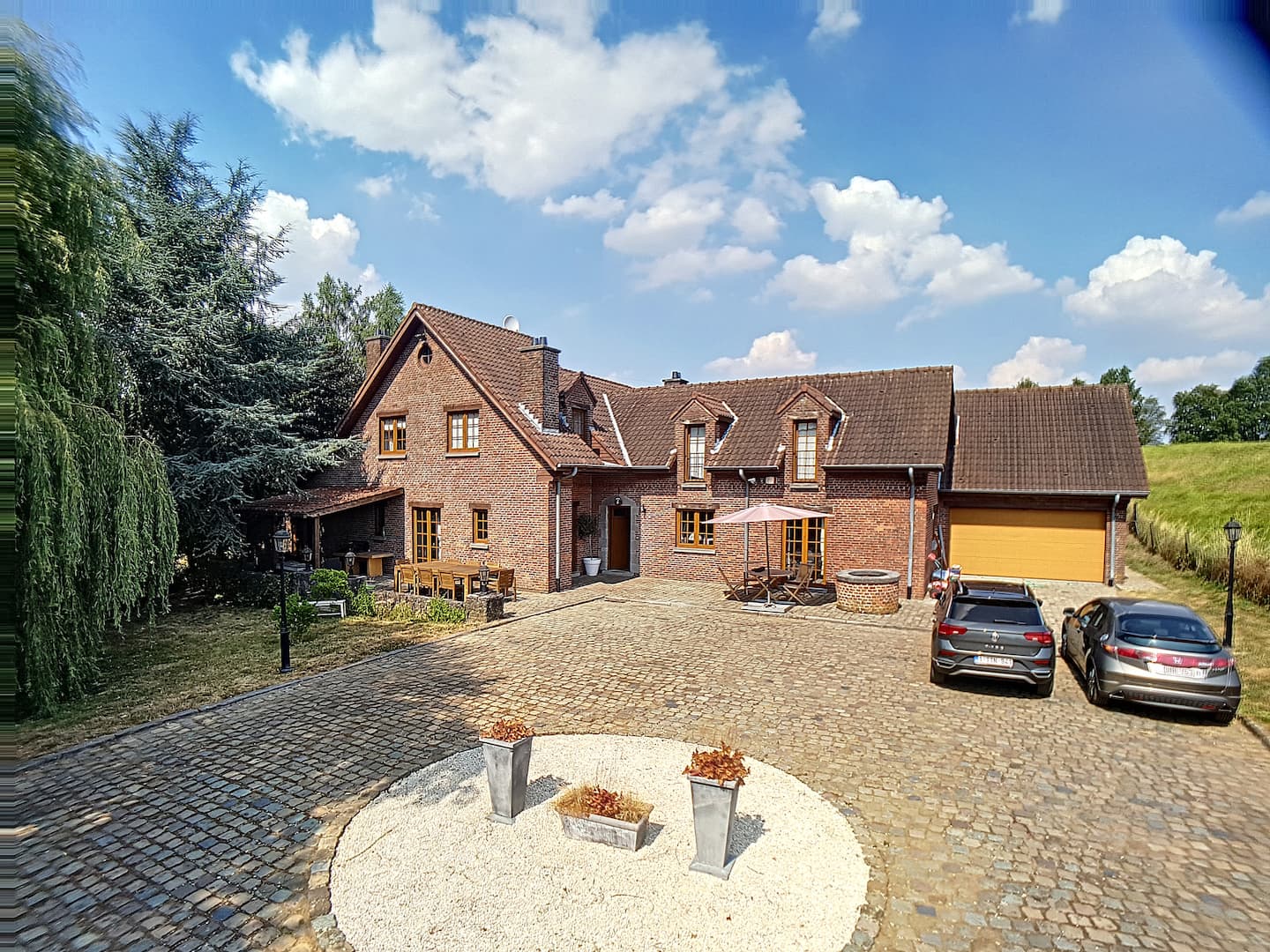
Crew accommodation should be selected based on how teams actually live during assignments. Furnished houses and apartments designed for group occupancy are often a better fit because they combine bedrooms, kitchens, utilities, Wi-Fi, and shared living space in one operational package. That setup is easier for employers to manage and more comfortable for workers after long shifts.
There is a trade-off, though. A private hotel room offers more individual privacy, while a shared corporate house offers stronger cost efficiency and better practicality for longer deployments. The right choice depends on project length, budget, and the working pattern of the crew.
Location should reduce downtime
A low rate is not a saving if the commute creates daily delays. When deciding how to organize crew stays, location should be measured against the job site, transport routes, and the crew's working hours.
If workers need to be on-site early, accommodation close to industrial zones, logistics corridors, or major road access points often makes more sense than central urban lodging. Shorter commute times reduce fatigue, lower transport complexity, and make shift planning easier. If the crew is rotating between sites, a central base with good road connectivity may be the better option.
It also helps to think beyond the map. Ask whether parking is available, whether vans can be accommodated, and whether local services such as grocery stores are nearby. A property that works well in theory may become frustrating in practice if basic daily needs are difficult to manage.
Standardize what must be included
The most efficient housing decisions happen when companies define non-negotiables early. That avoids back-and-forth and helps procurement, HR, or operations compare options quickly.
For most crew stays, the essentials are straightforward: furnished bedrooms, equipped kitchens, Wi-Fi, utilities, laundry access, and immediate readiness for move-in. In many cases, separate sleeping arrangements are also a requirement, especially for larger teams or longer stays. If the team is international, multilingual support can also make day-to-day coordination easier.
A turnkey setup is usually the safest option because it removes the hidden workload that comes with arranging furniture, internet, utility activation, or multiple service contracts. This is where providers focused on corporate team housing can save time. Belga Promo, for example, structures accommodation around ready-to-live-in group stays rather than piecing together travel-style bookings.
Keep the budget focused on total cost
Companies often compare accommodation on headline price alone. That rarely gives a clear picture. To organize crew stays well, you need to compare total housing cost across the full assignment.
A cheaper nightly option may become more expensive once you add restaurant meals, parking, laundry, transport, utility setup, and admin time. A higher monthly rental can still be the better business decision if it includes everything in one invoice and reduces operational friction.
This matters even more for medium-term projects. Once a stay extends beyond a few days, having a kitchen and shared living area can significantly reduce daily subsistence costs. Predictable monthly invoicing also makes it easier to allocate costs by site, project, or department.
If the assignment may extend, ask about contract flexibility before signing. A rigid low-cost option can create new costs later if the team needs to stay longer or scale up.
Plan for crew comfort because it affects performance
Worker accommodation is an operational issue, but it is also a performance issue. Tired crews, poor sleep, and cramped housing conditions show up on-site quickly.
Comfort does not mean luxury. It means practical living conditions that support consistent work. Clean furnished spaces, enough room for personal downtime, functional kitchens, reliable internet, and a stable routine all help crews recover between shifts. For assignments lasting several weeks or more, these factors matter more than decorative extras.
There is also a retention angle. When companies repeatedly deploy teams to projects, the quality of housing influences how workers experience the assignment. Reasonable comfort, privacy where possible, and basic convenience help maintain morale during demanding schedules.
Simplify administration from the start
One of the biggest gains in organizing crew stays comes from reducing admin. If housing requires separate reservations, individual expense claims, and multiple utility arrangements, the operational burden grows fast.
A better setup uses one supplier, one contract structure, and one company invoice wherever possible. This is especially useful for international firms placing workers in Belgium who want local housing without building a local accommodation process from scratch.
It is worth confirming a few points before booking: who is the contact person, what is included in the invoice, how extensions are handled, what notice period applies, and how arrival logistics work. These are simple questions, but they prevent confusion once the team is already moving.
Build in flexibility for changing projects
Very few workforce deployments stay perfectly fixed. Project delays, additional work phases, larger crews, and phased arrivals are common. That is why part of learning how to organize crew stays is planning for change rather than assuming a static schedule.
If there is a strong chance that headcount will increase, look for accommodation providers that can scale capacity or offer additional nearby units. If the project may end early, understand the contract terms clearly. Flexibility is rarely free, but it can be far less expensive than relocating a team midway through a project.
This is one area where medium-term furnished housing has a clear advantage over ad hoc travel booking. It is simply better suited to operational uncertainty.
Make handover and move-in easy
The final stage is execution. Even good accommodation can create problems if arrival is poorly coordinated. Confirm check-in timing, access instructions, bedding arrangements, Wi-Fi details, parking information, and the name of the local contact before the crew arrives.
For international teams or late arrivals, clarity matters even more. A housing provider should be able to support a straightforward handover without requiring the crew to solve practical issues after a full day of travel.
When housing is ready from day one, the team can focus on the assignment immediately. That is the standard companies should expect.
Organizing crew accommodation is easier when you treat it like part of project planning, not a last-minute travel task. The right property, the right terms, and the right support structure can remove pressure from HR, operations, and site management at the same time. When the housing works, the job runs better.